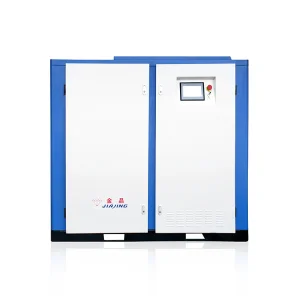
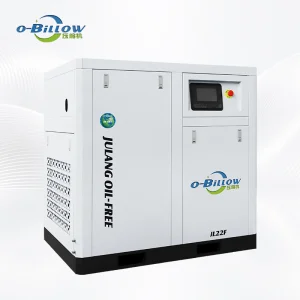
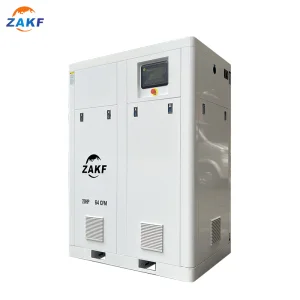
Optimized energy-efficient configurations customized for immediate delivery to the Australian Capital Territory.
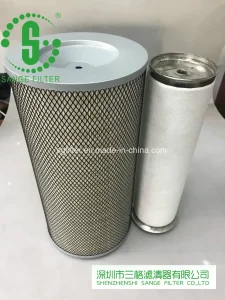
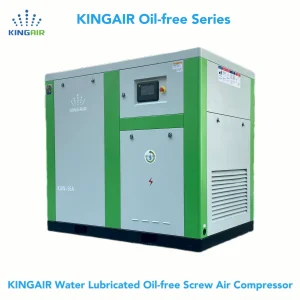
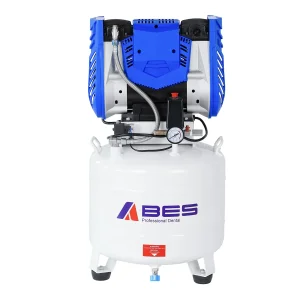
An in-depth whitepaper assessing the technological dynamics, regulatory compliances, and supply chains driving medical gas pipelines in the ACT.
The Australian Capital Territory (ACT), with Canberra at its core, represents a highly centralized and demanding healthcare network. Major institutions such as the Canberra Hospital in Garran, the Calvary Public Hospital in Bruce, and numerous private specialist day clinics demand the highest standard of medical infrastructure. Due to the high standard of living and the concentration of national administrative and research offices (such as the Australian National University Research School of Medicine), clinical operations are subject to intense audits.
In Australia, medical breathing air is classified as a pharmaceutical substance. Systems must meet the stringent criteria set out in Australian Standard AS 2896-2011 (Medical Gas Systems—Installation and Testing). Compressors installed in Canberra's clinical facilities must provide absolute purity, containing zero traces of liquid oil, oil mist, or carbon monoxide, with dew points tightly controlled to prevent microbial proliferation in the delivery pipelines.
Furthermore, local dental practices in the Belconnen, Tuggeranong, and Gungahlin corridors are systematically replacing legacy oil-lubricated units. This shift is driven by modern infection control guidelines requiring dry, sterile, and oil-free compressed air to protect patients and maintain the integrity of dental bonding composites.
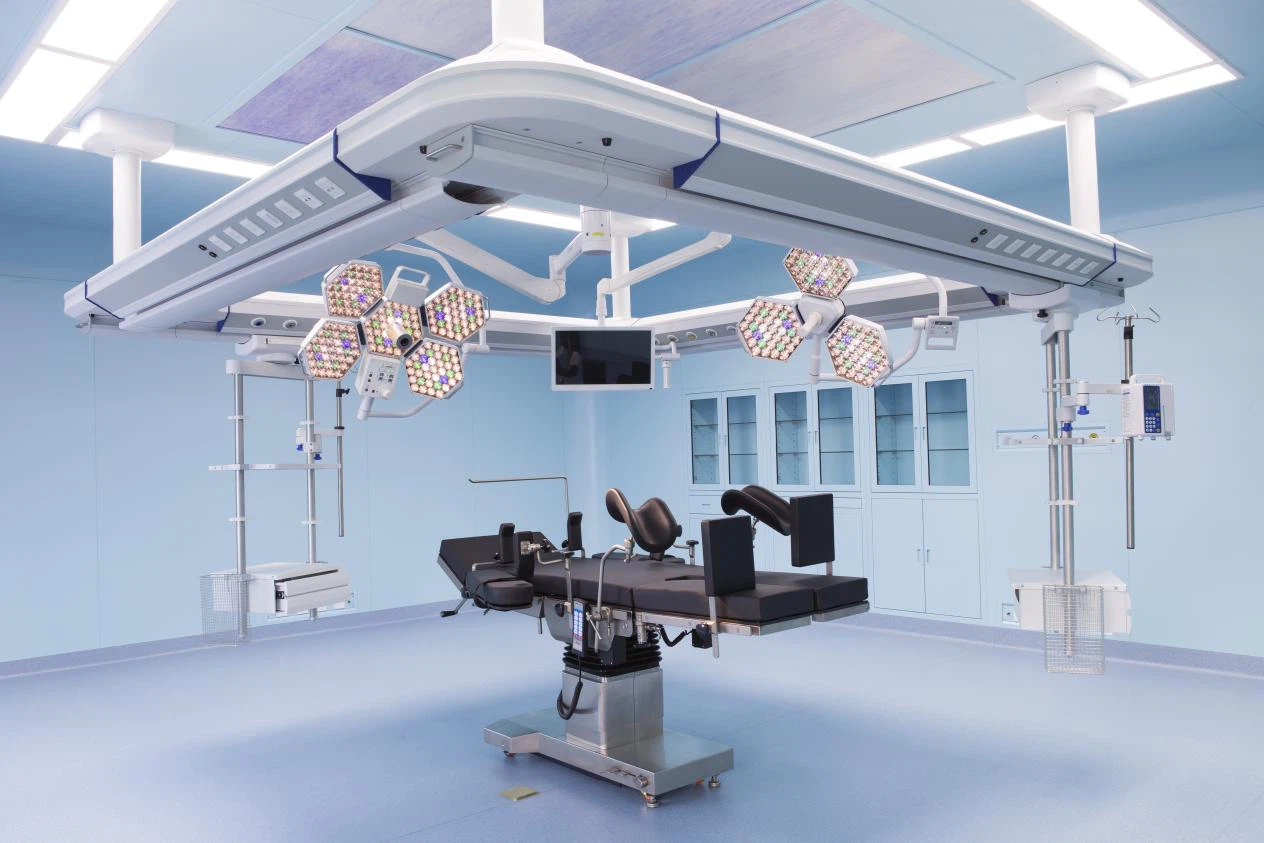
Globally, the medical air compressor market is experiencing a profound transition from standard industrial-grade adapted systems to specialized, built-for-purpose medical grade machinery. According to industry intelligence, the global market for oil-free medical compressors is expected to expand significantly, driven by a post-pandemic reinforcement of hospital ICU infrastructures, rising global dental procedures, and the expansion of biological laboratory settings.
Technology is moving away from oil-flooded designs with downstream filtration toward absolute oil-free scroll and Permanent Magnet Synchronous Motor (PMSM) Variable Speed Drive (VSD) rotary screw compressors. Modern international facilities no longer accept the risk of oil filters failing, which can introduce hydrocarbon contaminants into patient breathing air or destroy expensive laboratory testing instrumentation.
The global medical equipment distribution framework relies heavily on Chinese manufacturing efficiency. When procurement agents in Canberra compare sourcing locally within Australia to direct manufacturing integration with Chinese facilities, the key difference lies in the maturity of the supply chain.
Shanghai Emfix Medical Co., Ltd., headquartered in China's industrial epicenter, exemplifies this advantage. Emfix Medical controls the entire fabrication pipeline across three dedicated, state-of-the-art factories. Unlike European or domestic Australian assembly plants that rely on importing discrete components from various suppliers, Emfix coordinates raw material processing, high-precision machining, and electronic control integration under a unified quality management system.
Established over 30 years ago, Emfix Medical is a certified manufacturer holding ISO 13485 (Medical Devices Quality Management Systems), CE Certification, FDA registrations, and MDA certifications. Recognized as a Class A Enterprise in China, Emfix products are distributed in over 50 countries, built upon close collaborations with research institutes and medical engineering associations in both Europe and North America.
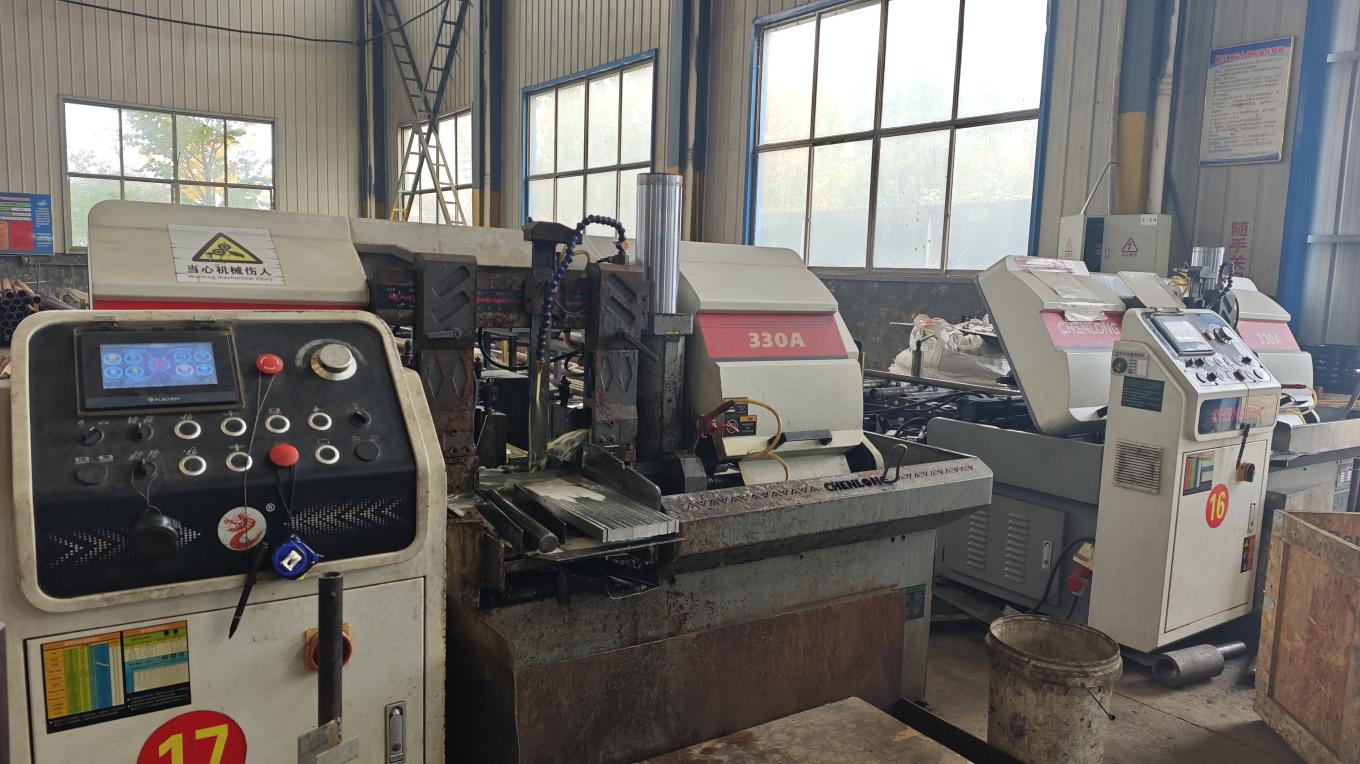
Control over manufacturing processes ensures that every weld, pipe bend, and assembly meets clinical safety thresholds. Emfix operates specialized lines with automated equipment to maintain consistency and eliminate human error.
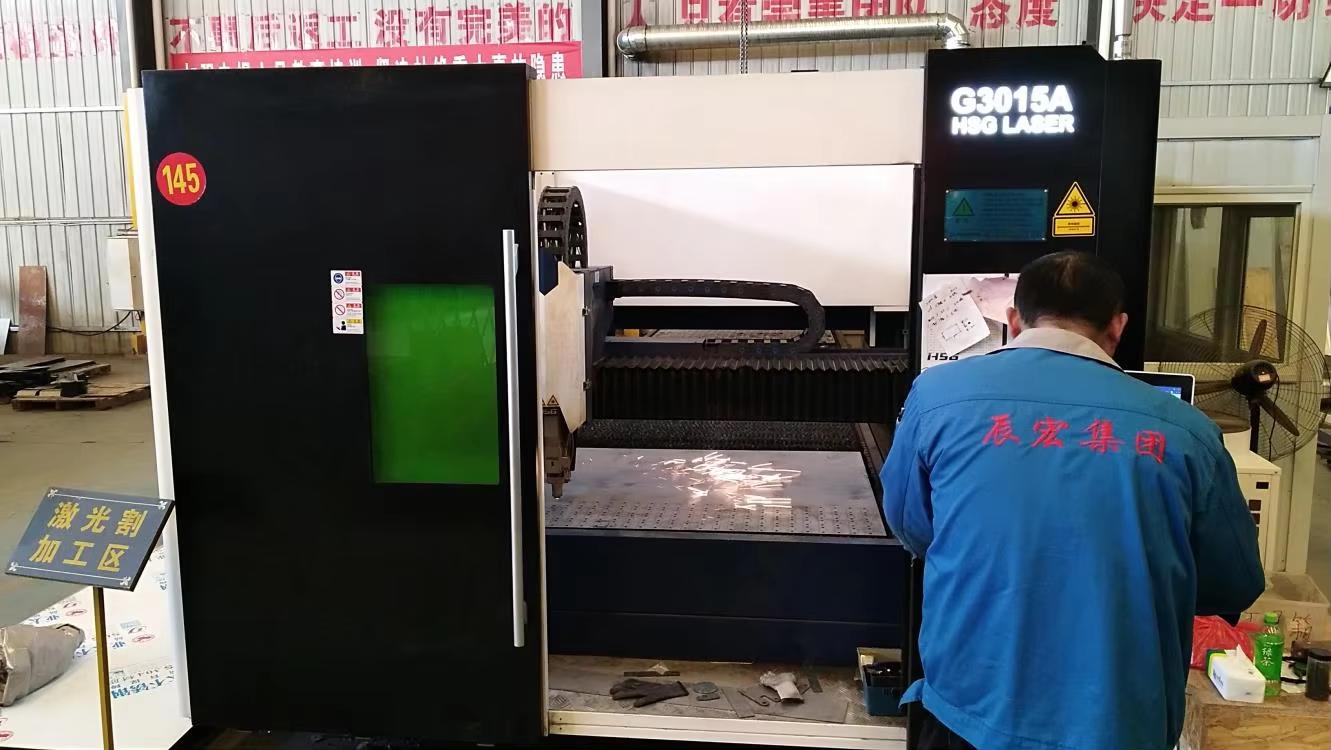
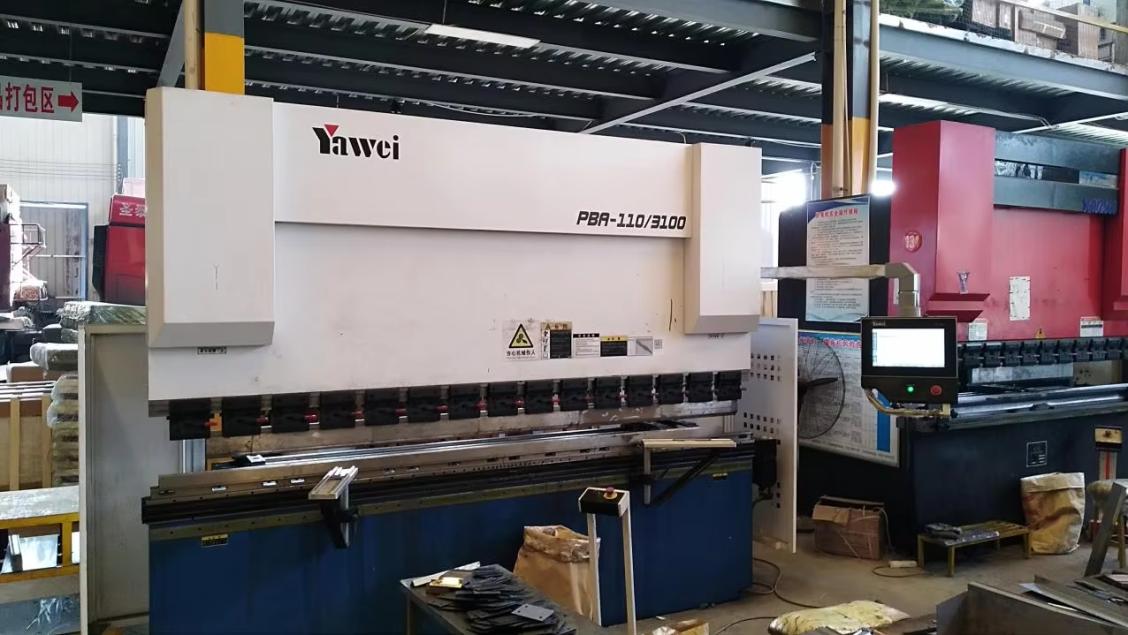
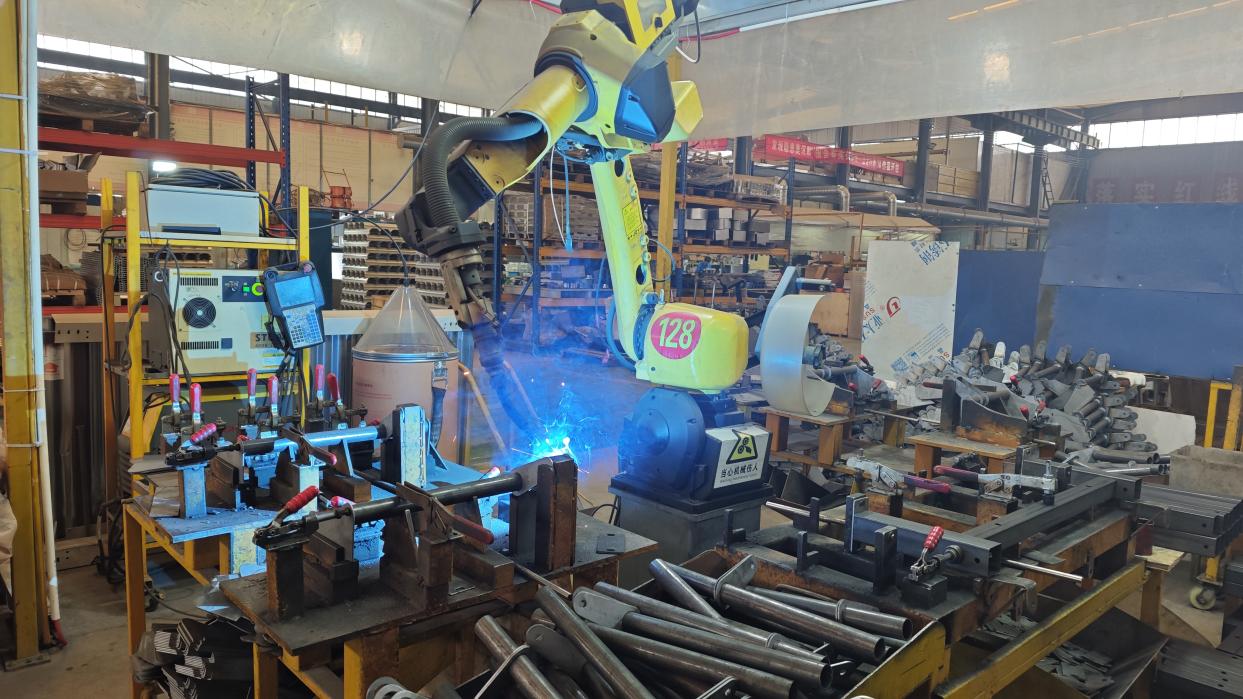
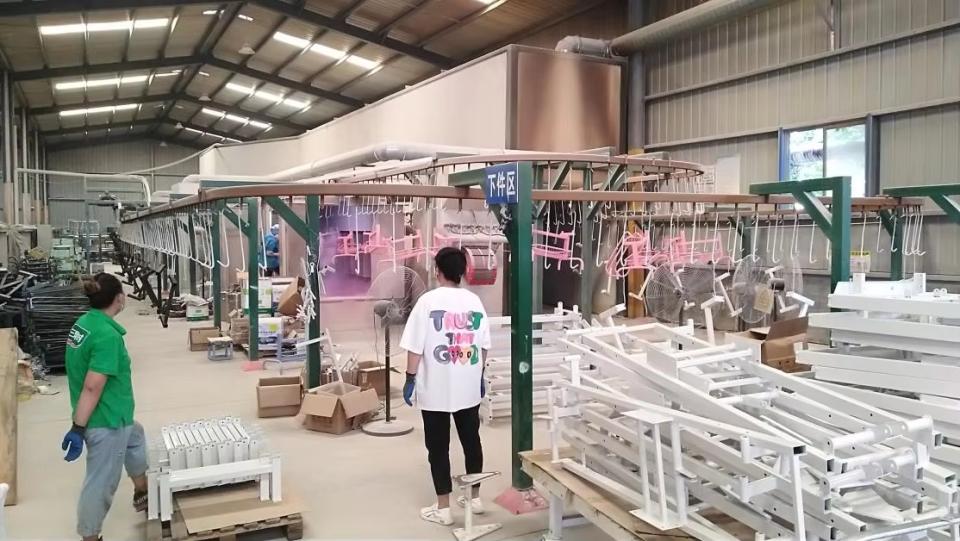
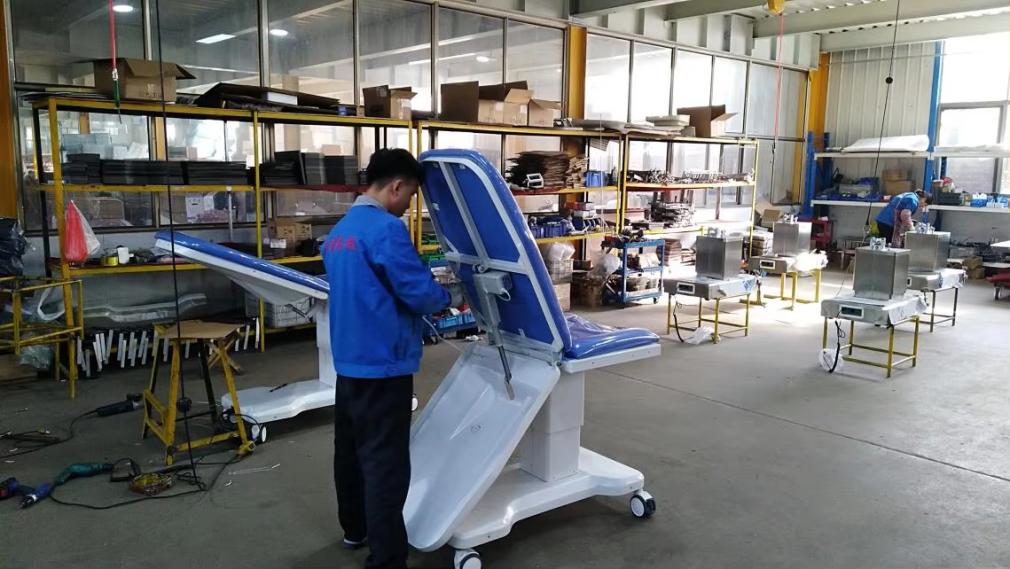
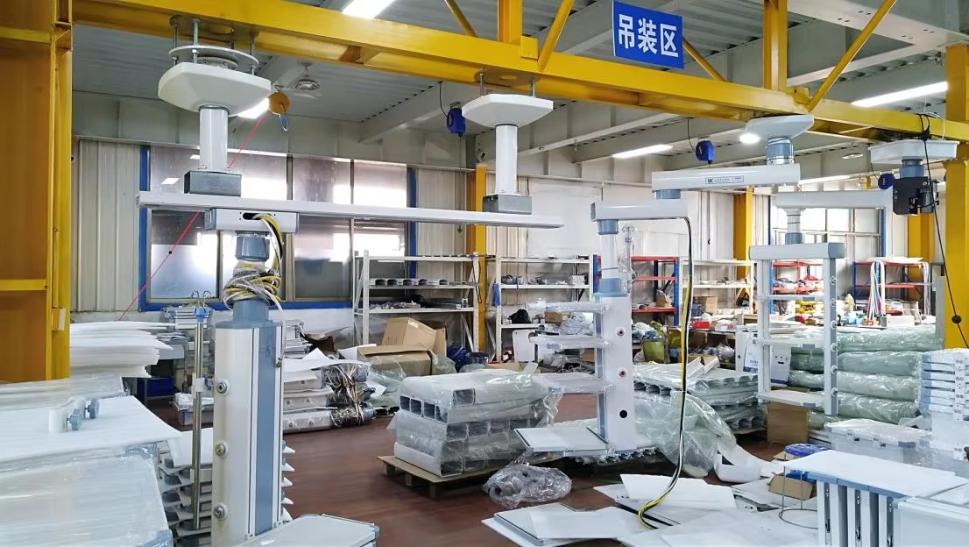
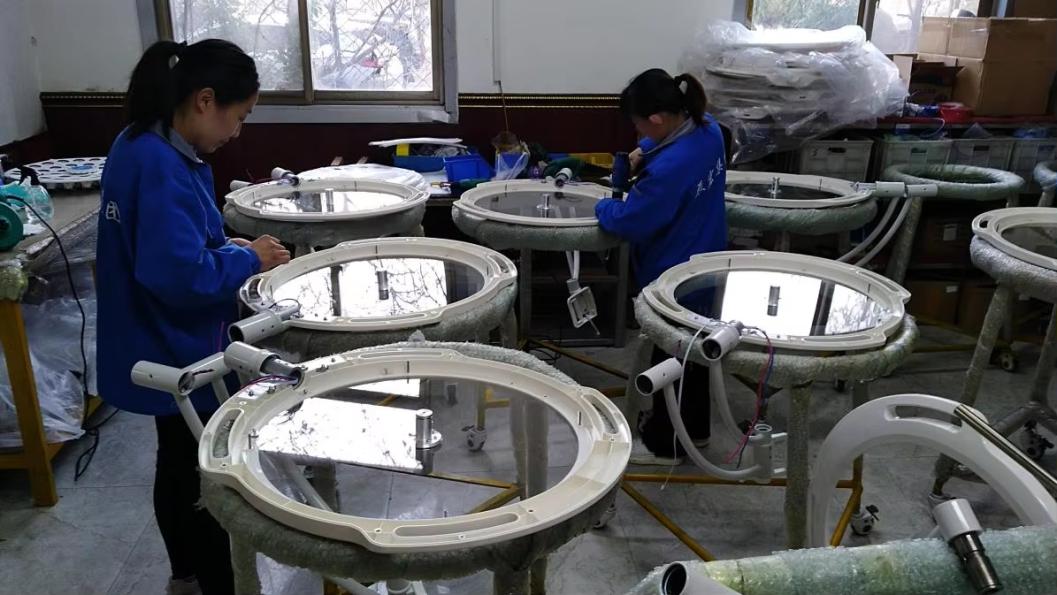
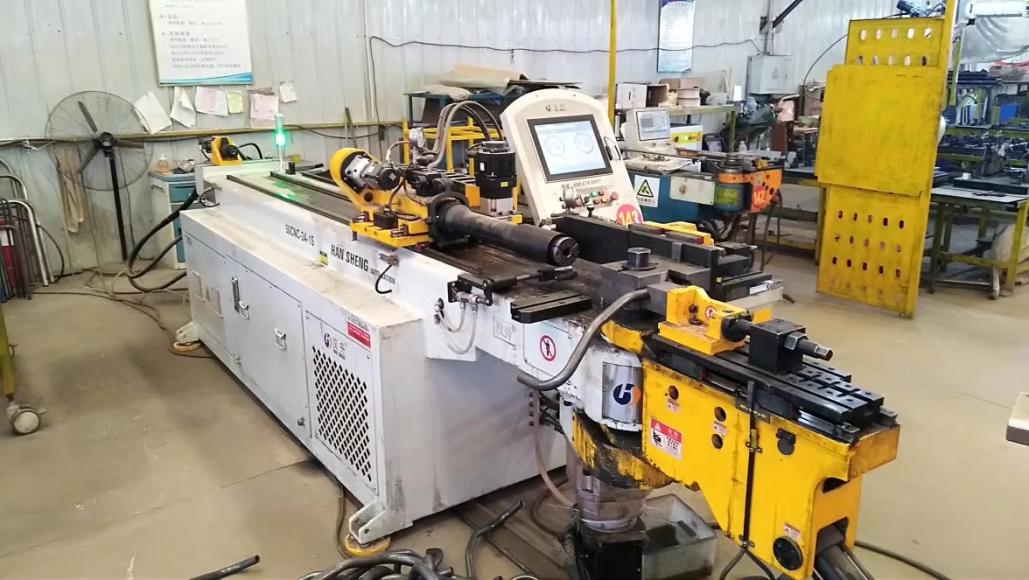
In addition, heavy machining and cutting equipment like the automated sawing machine ensure structural tolerances are met, maintaining stability and reducing vibrations during continuous operation.
Medical compressed air is critical for various operations, each requiring a specific pressure, volume, and purity profile:
Every product is compliant with strict international and Australian medical engineering standards, retaining original URLs and parameters.
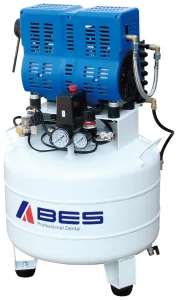
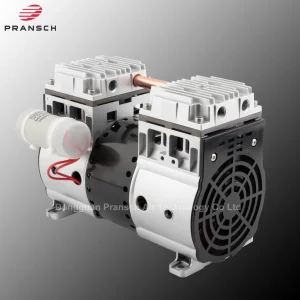

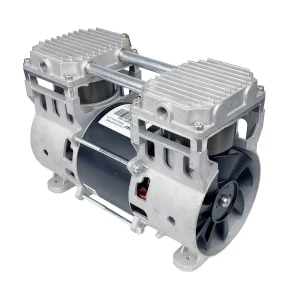
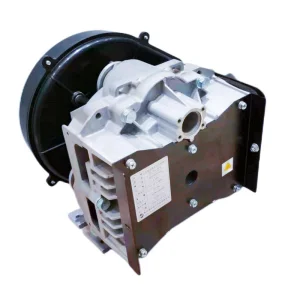
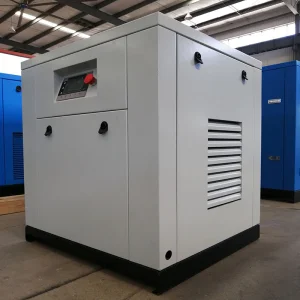
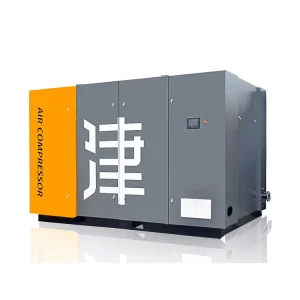
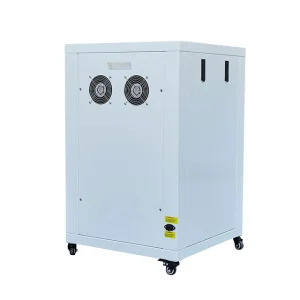
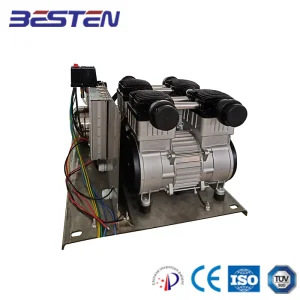
Procuring clinical compressed air systems requires attention to regulatory compliance. Standard air compressors are not suitable for patients or sensitive laboratory equipment. When sourcing systems for installation in Canberra or other regulated markets, consider the following checklist:
Ensure the equipment is certified to Class 0 standards. Any oil content in the compression chamber, even with multiple filtration stages, can carry oil vapors downstream during high-temperature operations, posing risk to patient safety.
The pressure dew point must remain below -40°C at line pressure. This level of dryness stops bacterial and fungal growth in the pipeline. Emfix systems feature integrated duplex desiccant dryers that switch automatically to guarantee continuous dry air.
In modern hospital wards or dental clinics, quiet operation is essential for patient comfort. Medical scroll compressors should operate below 55-60 dB(A). Emfix incorporates sound-dampening enclosures and vibration-isolating mounts to meet these quiet requirements.
The medical gas industry is moving toward smart, connected systems. Modern air compressor systems are shifting from simple mechanical operations to digital units integrated with hospital management software via Modbus or BACnet protocols. This integration enables real-time monitoring of air purity, dew point, pressure fluctuations, and carbon monoxide levels.
Additionally, the rise of variable-speed permanent magnet motors has made energy efficiency a priority. Variable Speed Drive (VSD) systems adjust output to match real-time clinical demand. This prevents frequent motor cycles, reduces wear, and lowers energy consumption during off-peak night hours in Canberra hospitals.
Addressing the technical, regulatory, and logistical inquiries of healthcare facility managers in Canberra.
 Emfix Medical