Designed to survive high-humidity, off-grid realities, and transport stresses across key development regions.
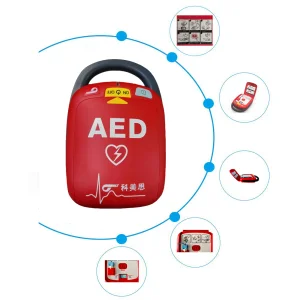
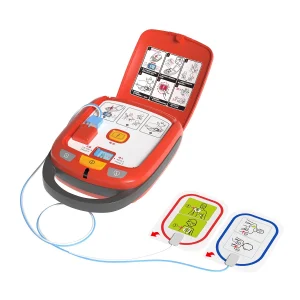
The Democratic Republic of the Congo (DR Congo) represents one of Africa's most dynamic and challenging healthcare procurement landscapes. With a vast geography spanning from the Atlantic port of Boma through the dense central rainforest to the booming industrial mining hubs of Katanga and Lualaba provinces, setting up reliable emergency response networks requires hardware that is both clinically advanced and physically indestructible.
Cardiovascular diseases (CVDs), alongside trauma induced by industrial operations, constitute a rising challenge for public health authorities, private mining corporations, and international non-governmental organizations (NGOs) in DR Congo. Sudden Cardiac Arrest (SCA) remains a high-mortality event in remote clinics, rural healthcare zones (Zones de Santé), and corporate environments due to a historic lack of automated external defibrillators (AEDs) and advanced biphasic patient monitors. As the DRC Ministry of Public Health continues to upgrade regional referral hospitals (Hôpitaux Généraux de Référence), sourcing medical equipment that conforms to international benchmarks (CE, ISO 13485, FDA) has become a primary mandate for procurement offices.
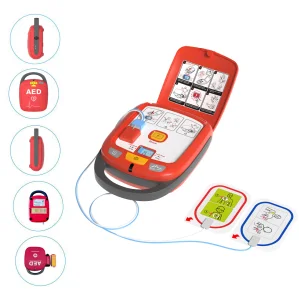
In rural Congo, power grids are notoriously unstable or non-existent, depending largely on diesel generators or solar arrays. Standard monophasic defibrillators, which require high energy payloads (up to 360 Joules), place severe strain on hospital power lines and possess shorter battery standtimes. Biphasic technology—standard on Emfix Medical units—delivers highly effective defibrillation at lower energy curves (150J to 200J), preserving vital battery reserve cycles and ensuring operational readiness in critical moments.
Years of Medical Manufacturing
Export Countries Globally
13485 & CE Standards
Water & Dust Protection Options
From the massive copper-cobalt open pits in Kolwezi to underground gold works near Watsa, heavy industrial environments are high-voltage and high-risk. Traumatic shock and electrical shock hazards make on-site defibrillator systems mandatory for complying with OHS policies of major global mining conglomerates.
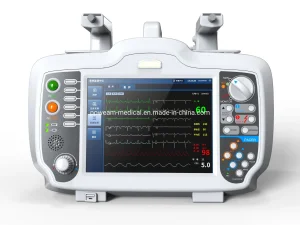
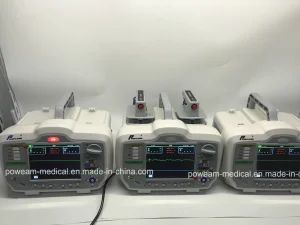
Private hospitals and clinical institutes in Kinshasa (Gombe, Limete) and Lubumbashi are expanding their emergency rooms and intensive care suites. These setups demand advanced clinical defibrillator monitors featuring 3/5-lead ECG tracking, SpO2, and non-invasive pacing.
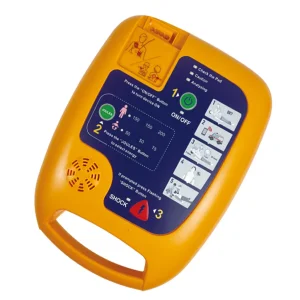
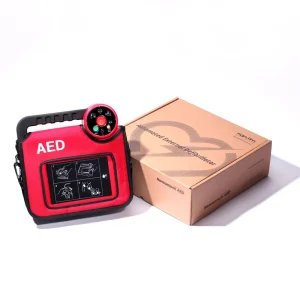
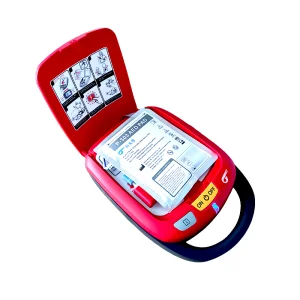
In international transit points like N'djili Airport in Kinshasa and Luano Airport in Lubumbashi, having public-access AEDs is vital. Automated systems with clear French audio instructions allow airport staff to respond instantly to travelers undergoing cardiac arrest before first responders arrive.
Traditional monophasic defibrillators send energy in one direction from one pad to the other. Biphasic waveform technology, standard on our line of AEDs and medical monitors, reverses the direction of the electrical current mid-cycle. This two-phase delivery provides highly effective cardioversion with significantly less total electrical energy delivered to the myocardial tissue.
Why Emfix Biphasic technology represents the ideal fit for DR Congo medical logistics:
| Feature Category | Emfix Biphasic Systems | Legacy Monophasic Systems | Operational Impact in DRC |
|---|---|---|---|
| Energy Requirements | 150 Joules - 200 Joules | 360 Joules | Lower battery consumption, higher safety profile |
| Battery Lifespan | High capacity Lithium (up to 5 years standby) | Standard lead-acid (frequent recharging needed) | Decreased maintenance overhead in remote health zones |
| Impedance Compensation | Automatic adjustments based on patient chest width | Fixed energy outputs | Higher success rate on first shock delivery |
| Environmental Ruggedness | IP55/IP56 ratings against moisture & tropical dust | Standard indoor casing (IP21 typical) | Maintains performance in damp, unconditioned rural clinics |
Headquartered in Shanghai, China, often referred to as the "Oriental Paris," Shanghai Emfix Medical Co., Ltd. has been at the forefront of the medical device industry for over 30 years. With a steadfast commitment to innovation and sustainable development, Emfix Medical has consistently evolved since its inception, ensuring the highest standards in research, manufacturing, and customer service.
With a rich history of more than three decades in the medical instrument industry, Emfix Medical specializes in the manufacturing and development of a wide range of medical devices designed to improve patient care and healthcare efficiency. Our product lineup includes:
These products are not only well-received in the domestic Chinese market but also have a strong presence in international markets. We are proud to be recognized as one of the most trusted names in medical equipment manufacturing worldwide.
1. Mature Production Chain: We operate three state-of-the-art factories, managing every phase from research and development to manufacturing and after-sales service. This ensures quality control directly from the source.
2. Certified Excellence: Emfix Medical is ISO 13485, CE, FDA, and MDA certified, proving our adherence to international medical device standards.
3. Global Recognition: Our products are distributed in more than 50 countries, built upon clinical partnerships with leading health institutions worldwide.
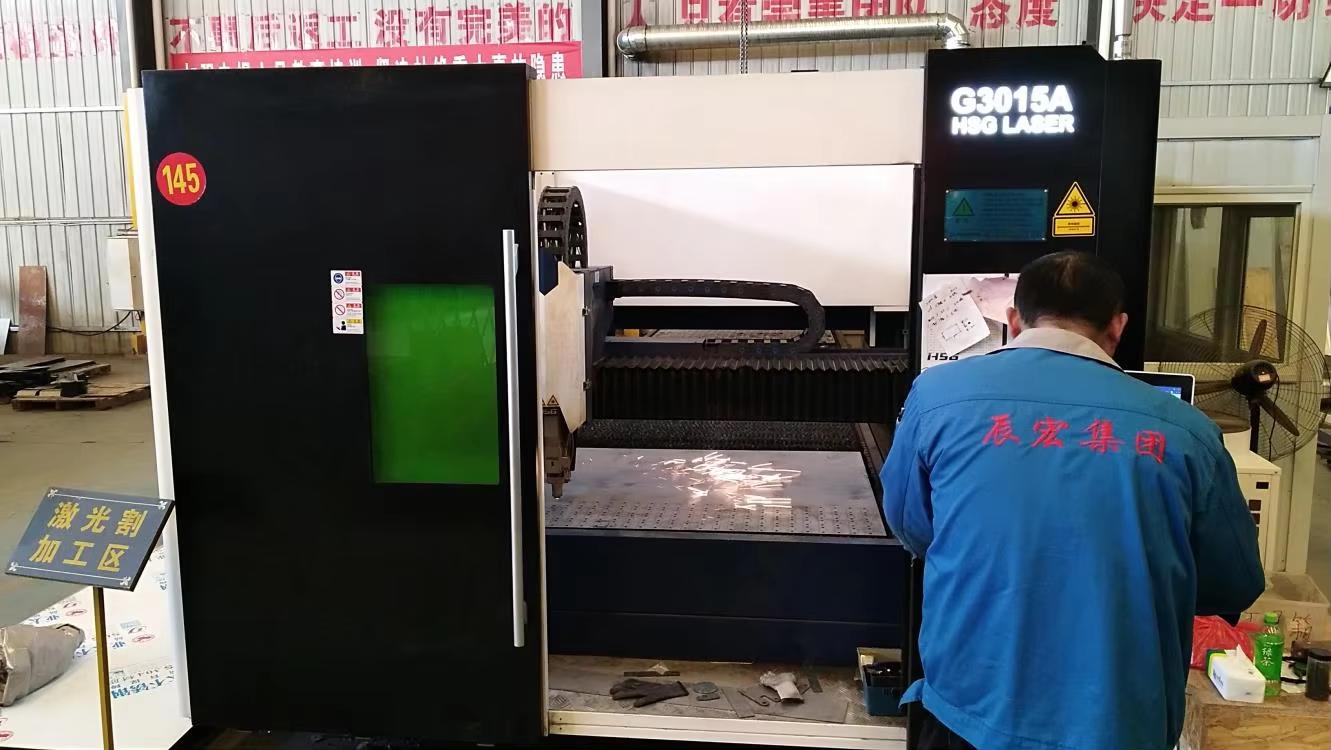 Cutting
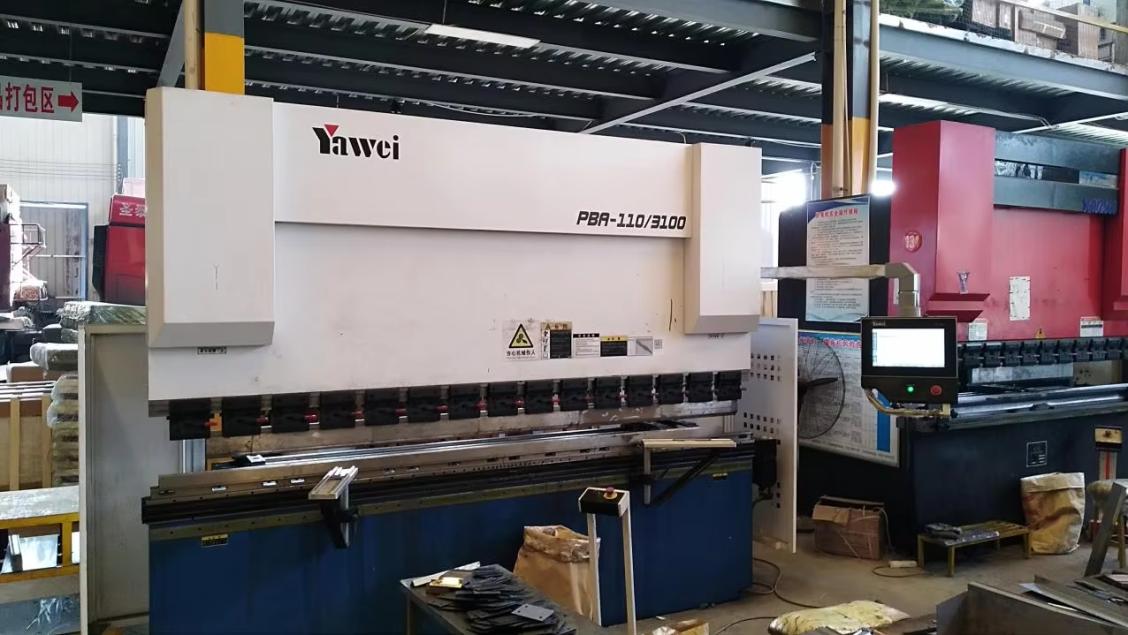 Bending
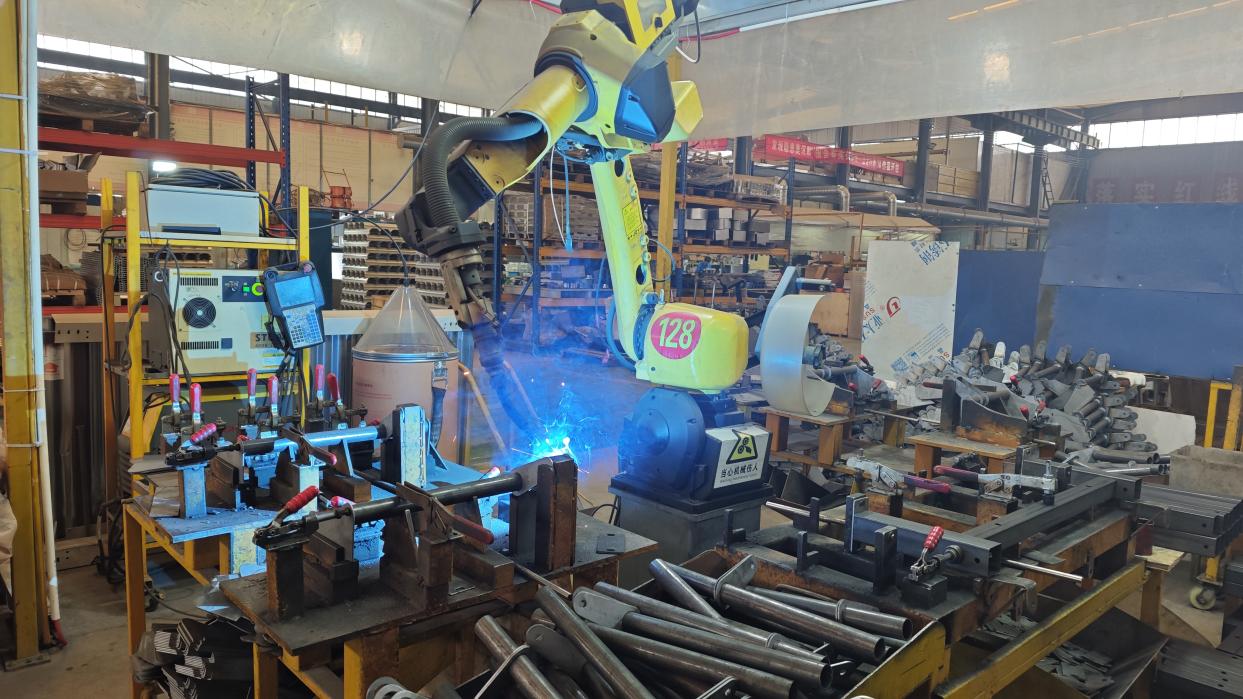 Welding
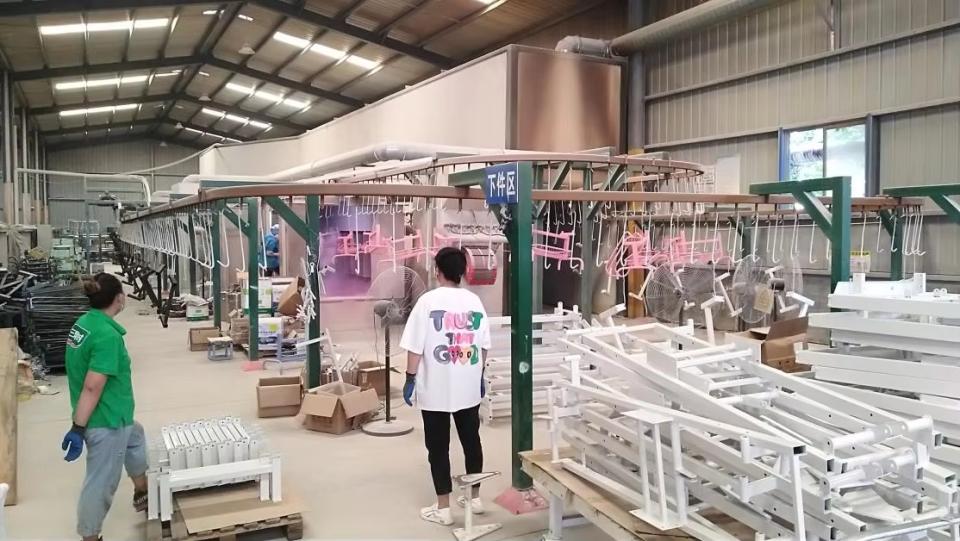 Powder Coating
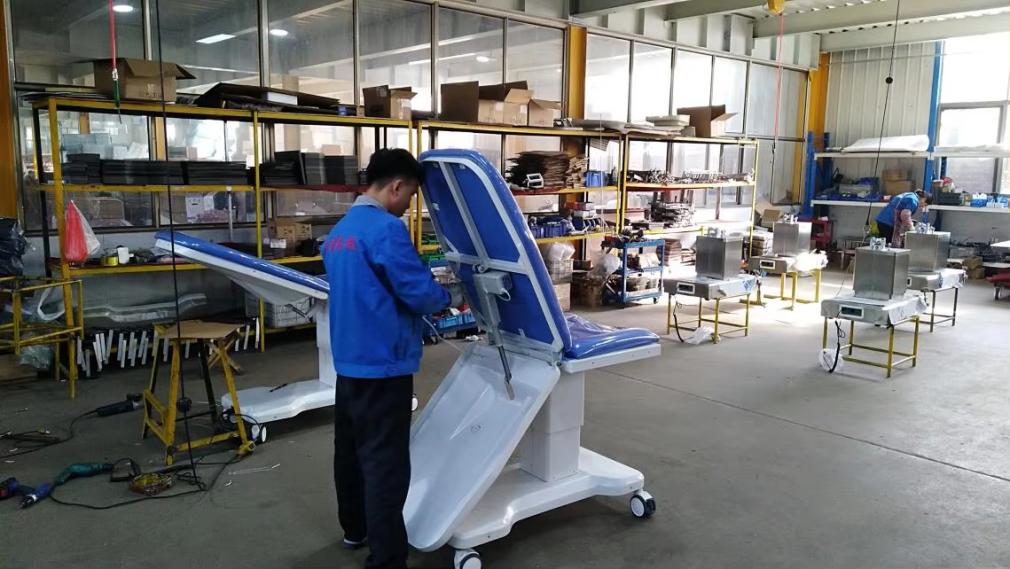 Assembling 1
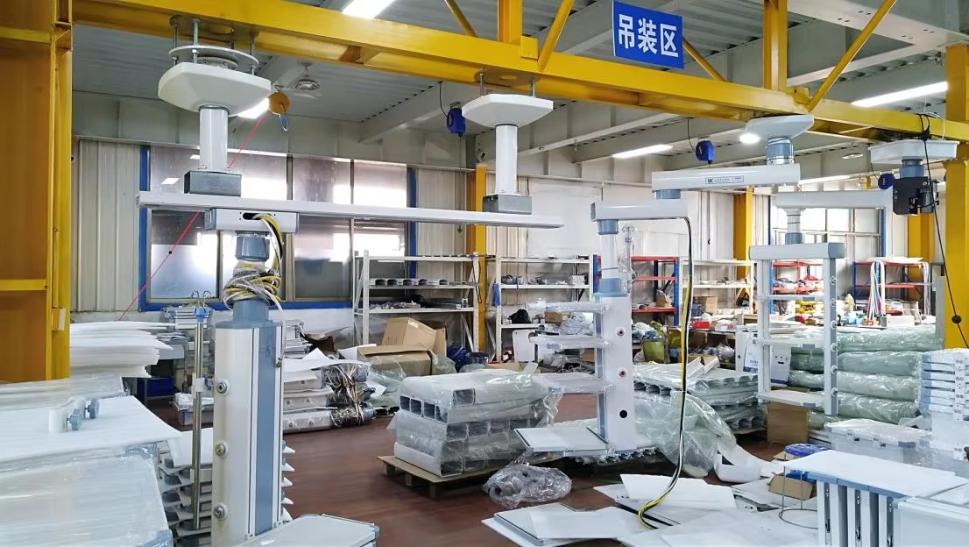 Assembling 2
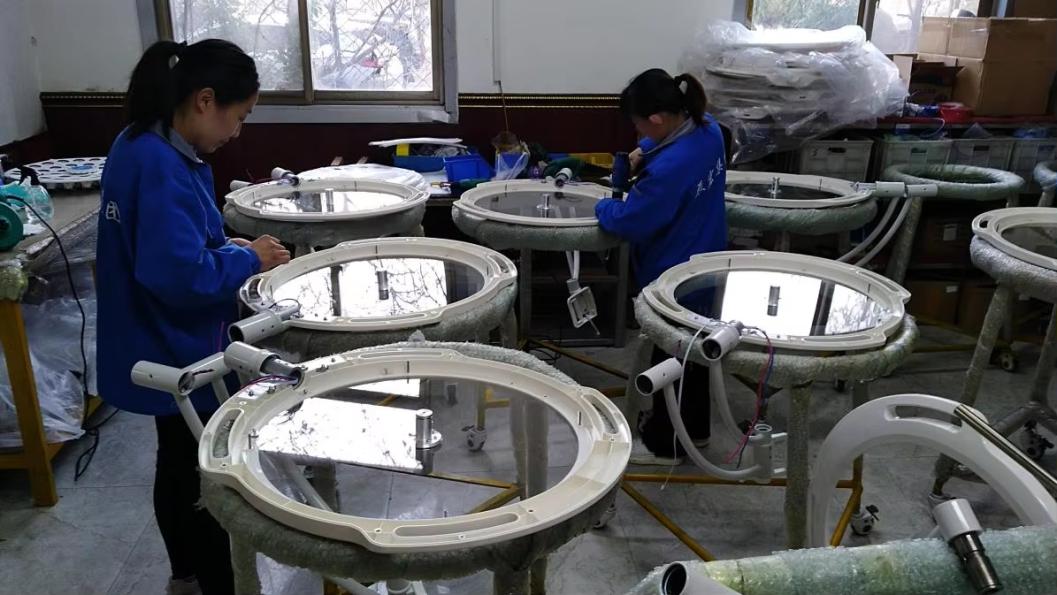 Assembling 3
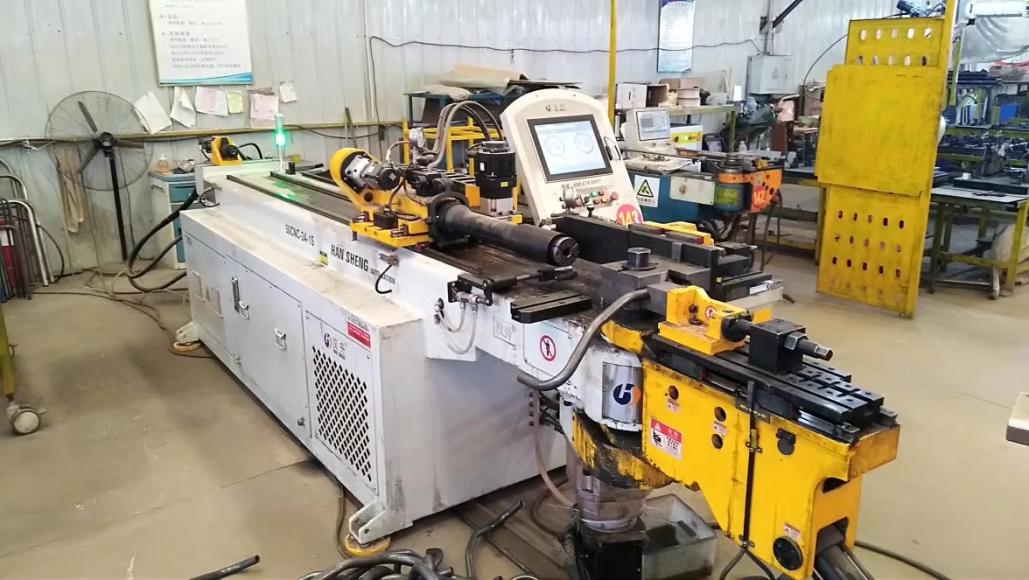 Pipe Bending
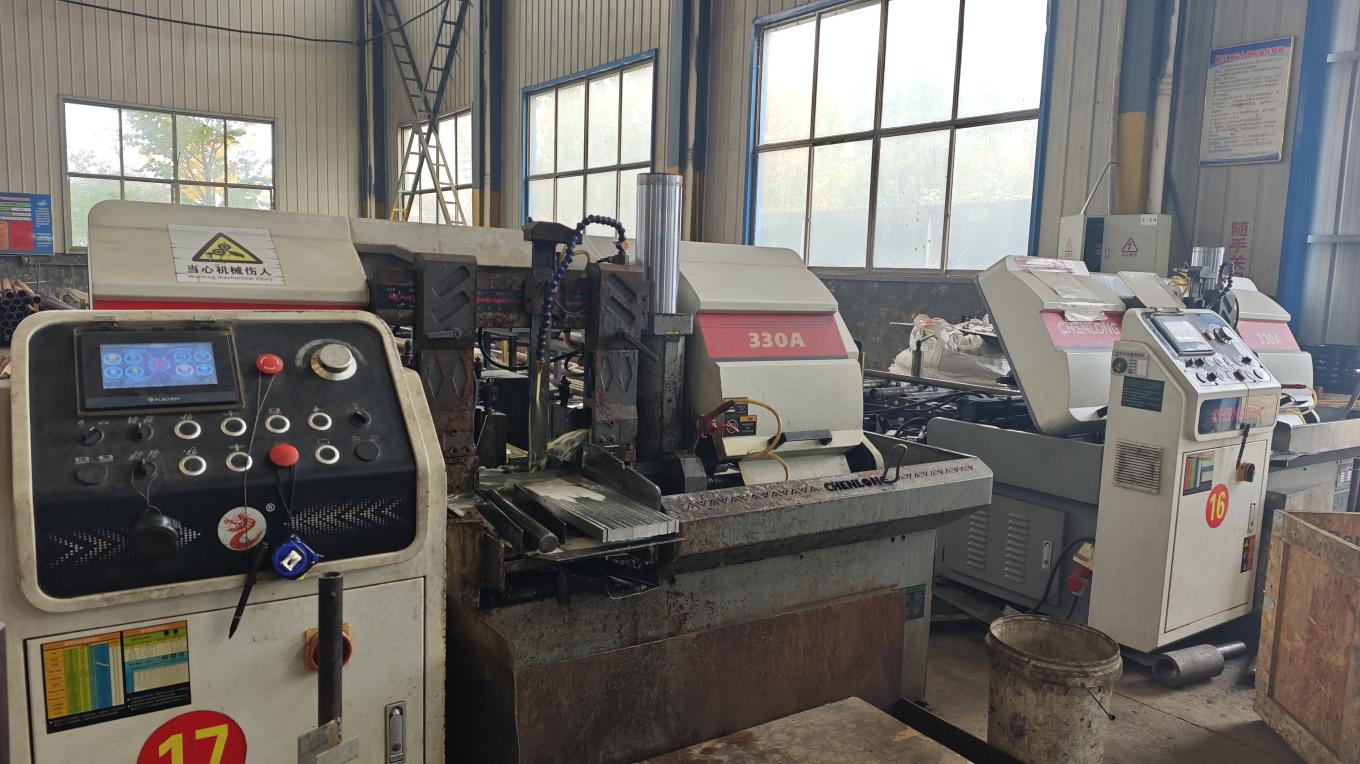 Sawing
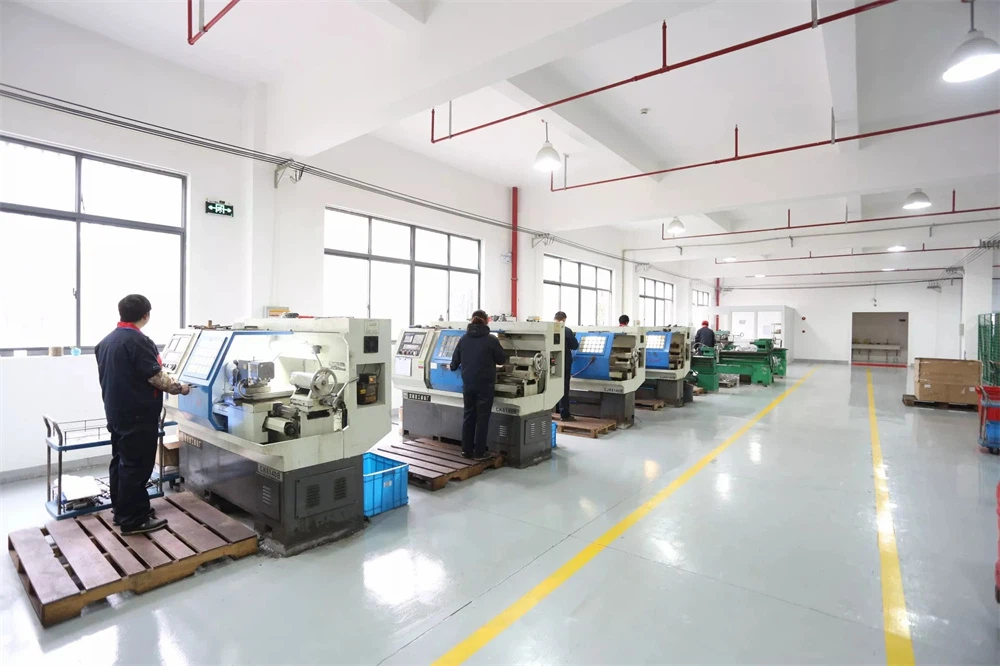
Navigating the import process of medical equipment into the Democratic Republic of the Congo requires deep knowledge of local regulatory bodies. Emfix Medical provides complete logistical compliance and documentation pipelines to ensure rapid clearance through critical Congolese gateways.
The Office Congolais de Contrôle (OCC) requires strict pre-shipment inspection for all therapeutic devices. Emfix handles the creation of verified safety reports, CE declarations, and certificates of origin to prevent custom delays in Kinshasa ports or Luano airport imports.
AEDs rely on high-capacity lithium batteries, classified as Class 9 dangerous goods. We manage complete air-freight compliance under IATA regulations, matching UN38.3 test summaries to facilitate safe cargo transit into Central Africa.
Language can be a barrier during medical emergencies. Emfix defibrillators offer customizable vocal guidance systems in French and English, matching the linguistic requirements of medical practitioners and safety agents across DR Congo.
The next decade of defibrillator technology focuses on breaking the barrier between isolation and connectivity. Remote clinics in central DR Congo face issues of unit maintenance, pad gel drying, and dead batteries going unnoticed. The Emfix developmental roadmap addresses these exact points:
Integrating low-power global cellular chips (GSM/LTE-M) to automatically transmit battery metrics, pad expiration dates, and daily self-test results directly to regional clinical control centers in Kinshasa.
Implementing neural ECG algorithms within AED software to identify fine ventricular fibrillation (VF) or rapid ventricular tachycardia (VT) with 99.8% specificity, reducing times-to-shock down to 6 seconds.
Development of specialized, dust-proof wall cabinets with low-wattage integrated solar solar panels. This guarantees that hospital resuscitation units remain charged even through extended regional power blackouts.
Addressing standard operational hurdles for deploying medical hardware in Sub-Saharan Africa.
Explore our full line of resuscitation systems, designed with biphasic waveforms and optimized for high-performance durability.
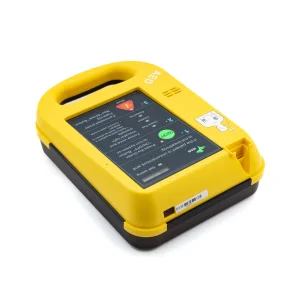
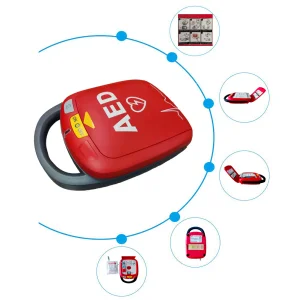
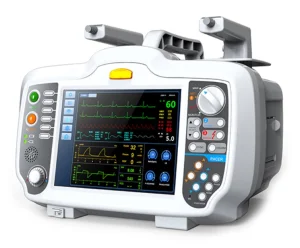
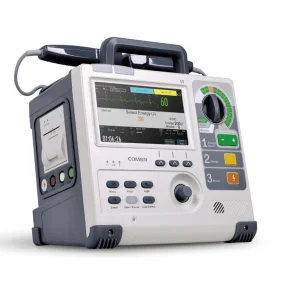
Additional Clinical Defibrillation Assets:
 Emfix Medical