Pre-configured ceiling-mounted workstation systems engineered for high-altitude electrical safety, anti-seismic stability, and modular gas-electric separation.
Understanding the operational realities, geological constraints, and technological shifts governing hospital modernization in the Kathmandu Valley.
The healthcare infrastructure in Nepal, centered predominantly around the Kathmandu Valley (encompassing Kathmandu, Lalitpur, and Bhaktapur), is currently undergoing a massive structural transformation. Major tertiary care institutions—such as Bir Hospital, Tribhuvan University Teaching Hospital (TUTH), Patan Hospital, alongside elite private healthcare systems like Nepal Mediciti, Grande International Hospital, and Norvic International Hospital—are rapidly expanding their Intensive Care Unit (ICU), Critical Care Unit (CCU), and Neonatal ICU (NICU) capacities. However, deploying critical care technology in Kathmandu presents a distinct set of geographical, architectural, and electrical engineering requirements that international OEMs must address.
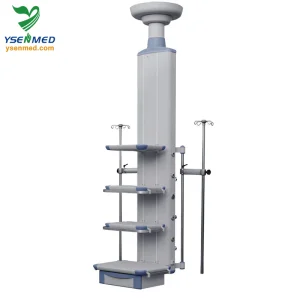
Kathmandu is located in one of the world's most seismically active tectonic zones (Zone V seismic activity). Critical care facilities must maintain operational integrity during severe seismic events. Conventional floor-standing medical carts or poorly anchored ceiling pendants pose catastrophic operational hazards. Modern ICU Bridge Pendants imported into Kathmandu must adhere to rigorous structural dynamic loading standards. Premium medical bridge pendant systems utilize high-tensile extruded aluminum alloy (6060-T6) and heavy-duty seismic anchor flange plates designed to absorb micro-vibrations and withstand lateral seismic acceleration forces up to 1.5g without structural fatigue or gas connection rupture.
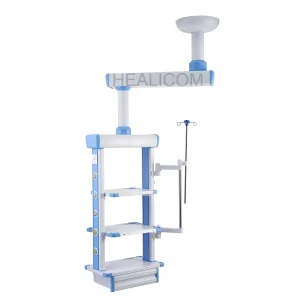
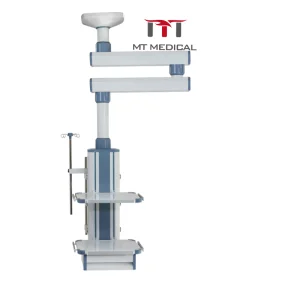
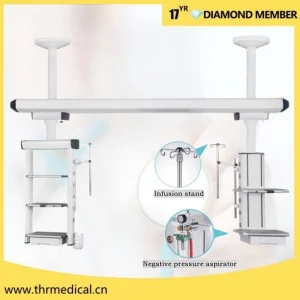
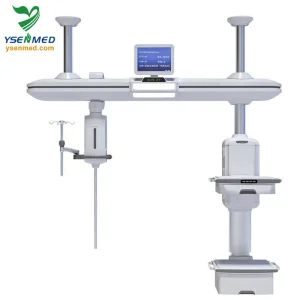
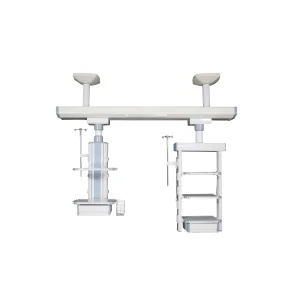
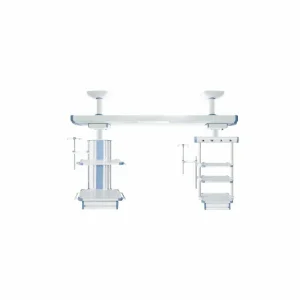
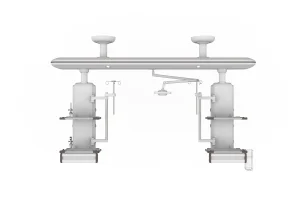
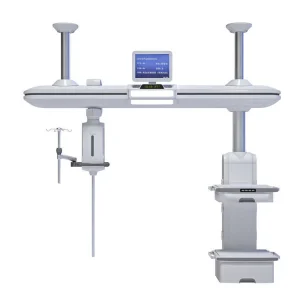
Nosocomial infections (Hospital-Acquired Infections, HAIs) remain a primary operational challenge for intensive care units in South Asia. Traditional central ICU ward layouts often suffer from cable clutter, liquid spillage, and restricted nurse mobility around acute beds. The implementation of Dry-Wet Separated Medical Ceiling Pendant Bridges resolves this by creating a clean overhead utility infrastructure. The "Wet Side" houses IV poles, infusion pumps, syringe drivers, and suction drainage jars, while the "Dry Side" carries sensitive digital patient monitors, mechanical ventilators, electrical sockets, and data communication ports. This functional isolation prevents liquid ingress into electrical systems and streamlines clinical workflows for Nepali medical staff.
Kathmandu healthcare facilities utilize a mix of international medical gas standards, heavily influenced by British Standards (BS 5682), German Standards (DIN 13260-2), and American Standards (NFPA 99 / Ohmeda / Chemetron). ICU Bridge Pendants exported to Nepal must feature modular gas terminal blocks capable of accommodating quick-connect outlets for Oxygen ($O_2$), Medical Air (4 bar / 7 bar), Nitrous Oxide ($N_2O$), and Vacuum ($VAC$). Furthermore, gas conduits inside the bridge beam must be constructed from seamless degreased medical-grade copper tubing (ISO 7396-1 compliant) to eliminate gas contamination risks.
Demonstrating technical excellence, regulatory compliance, and scalable manufacturing power for international buyers.
Why Kathmandu healthcare procurement committees are shifting toward direct tier-1 Chinese manufacturers for hospital expansion projects.
Historically, premier private hospitals in Nepal relied on European OEMs for critical care ceiling pendants. While high in quality, these systems come with prohibitive capital expenditure costs, extended delivery lead times (often 16 to 24 weeks), expensive proprietary replacement components, and delayed field support due to regional distributor layers.
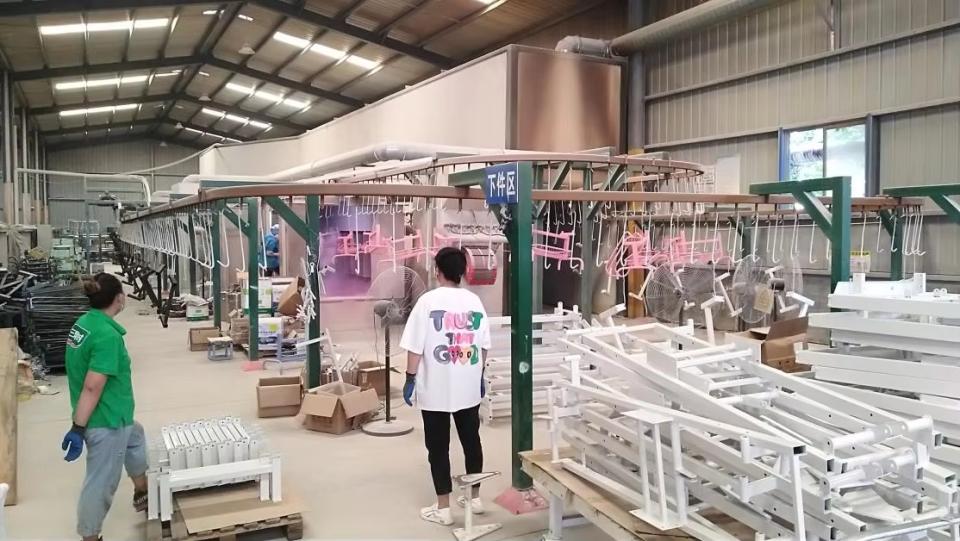
By partnering directly with elite Shanghai-based manufacturers like Shanghai Emfix Medical Co., Ltd., Kathmandu hospital developers achieve a superior balance of technical excellence and cost-efficiency. Chinese medical industrial clusters leverage complete supply chain integration—from high-precision CNC laser cutting to automated electrostatic powder coating—reducing unit lead times to under 3 weeks while lowering capital costs by 40% to 60% without compromising ISO 13485 or CE compliance.
When selecting ICU bridge pendants for tenders in Nepal, hospital engineering committees evaluate key performance metrics across structural integrity, modularity, electrical isolation, and total cost of ownership (TCO):
Thirty Years of Manufacturing Mastery in Critical Care & Surgical Infrastructure
Headquartered in Shanghai, China, often referred to as the "Oriental Paris," Shanghai Emfix Medical Co., Ltd. has been at the absolute forefront of the medical device industry for over 30 years. With a steadfast commitment to innovation, precision engineering, and sustainable development, Emfix Medical has consistently evolved since its inception, ensuring the highest international standards in research, manufacturing, and technical customer service.
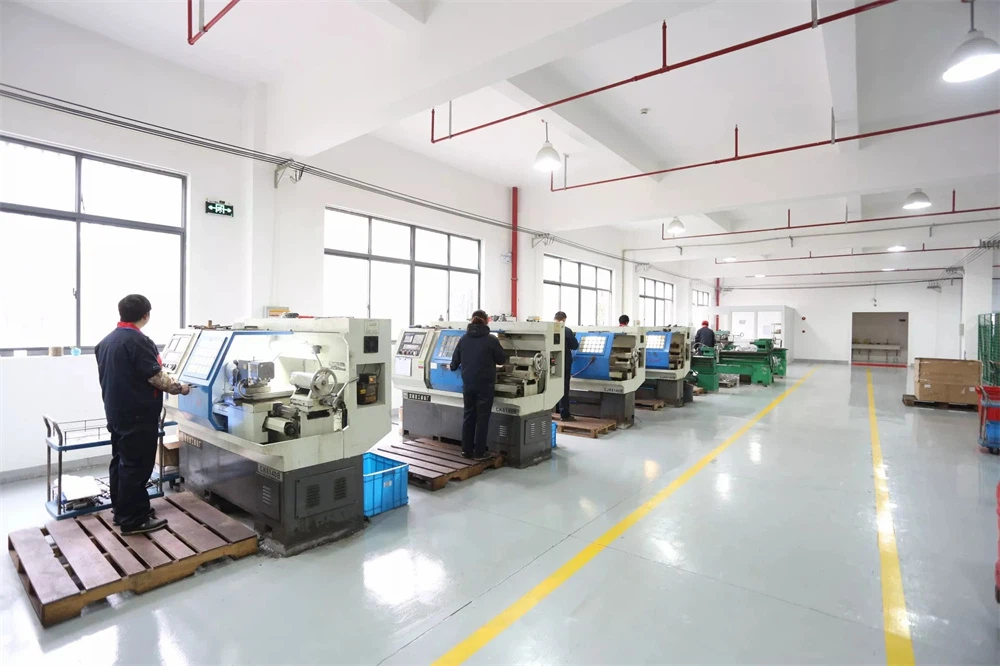
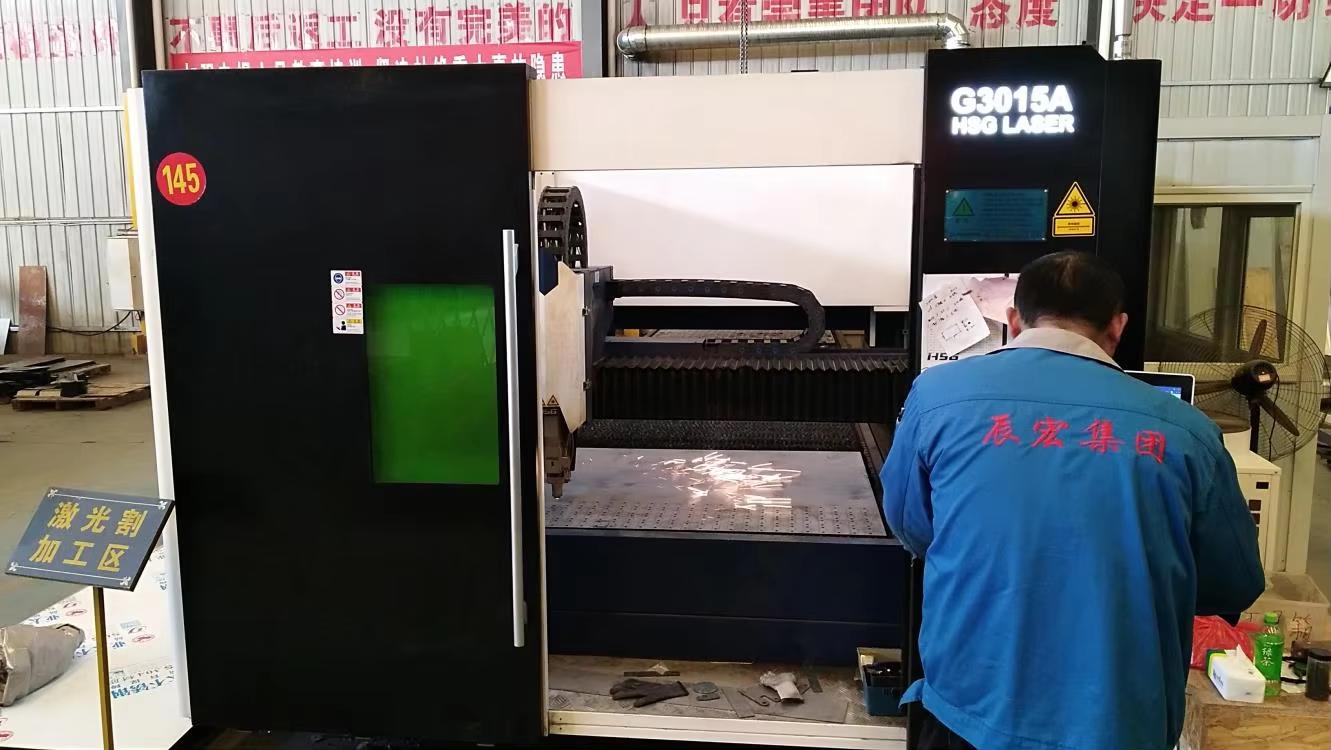
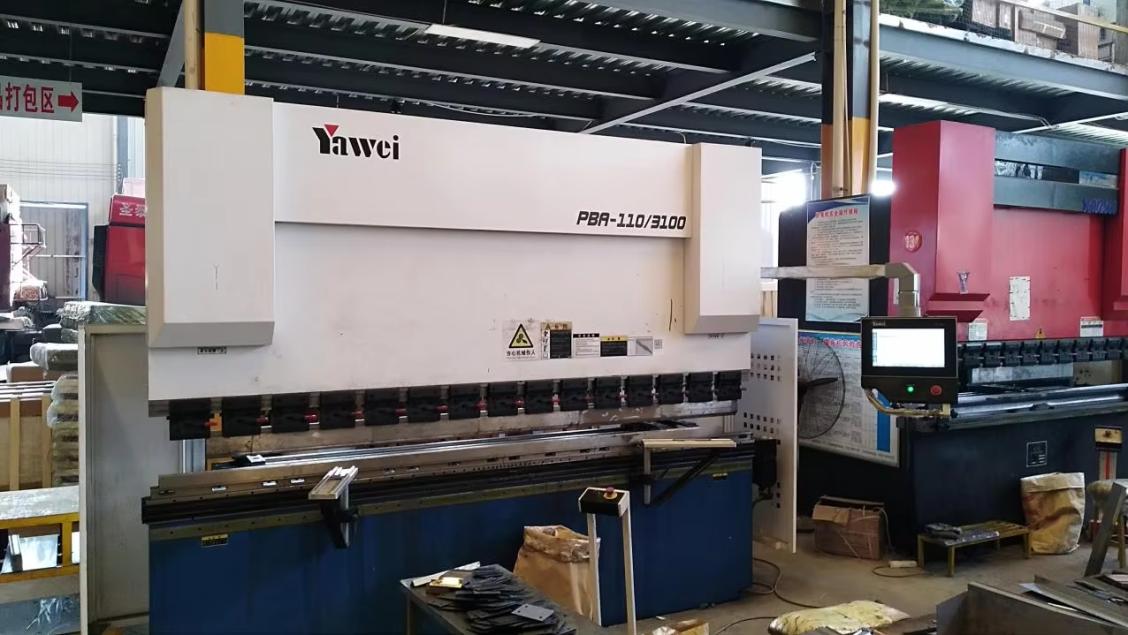
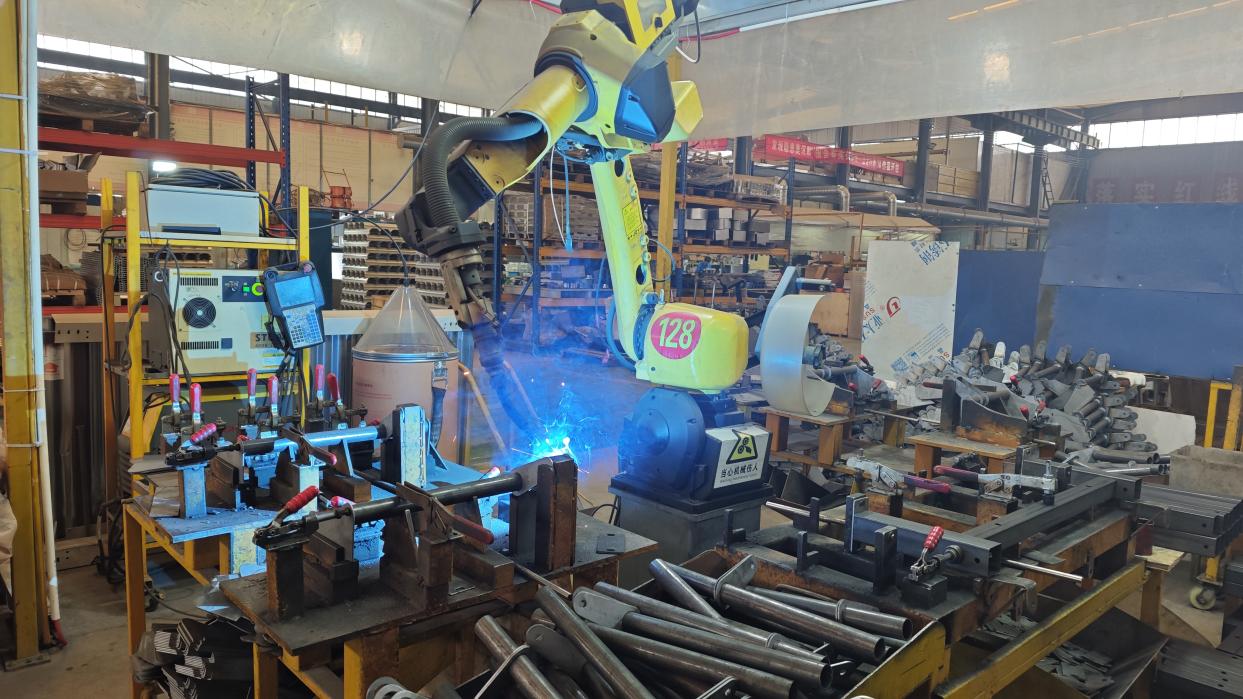
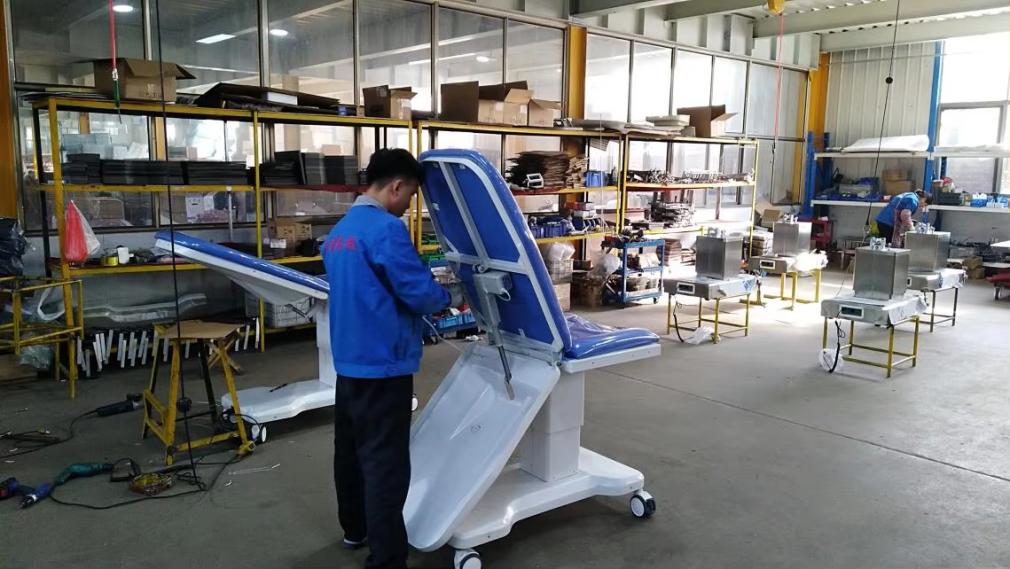
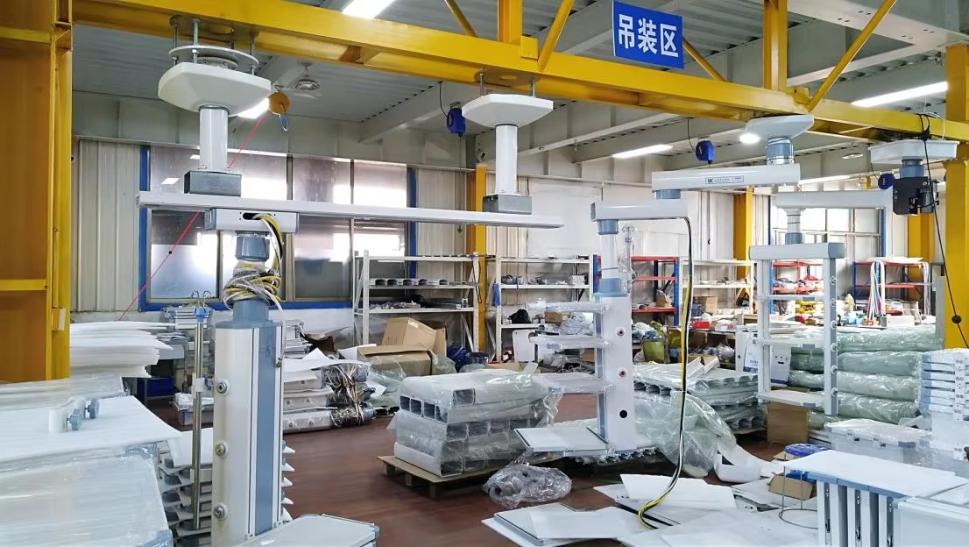
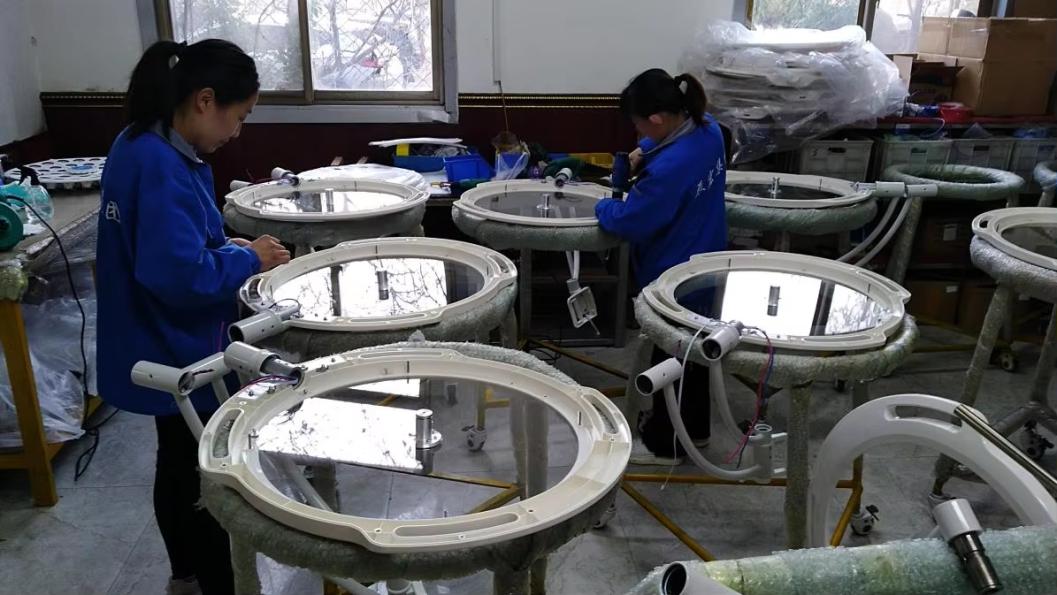
Unlike export trading agencies, Emfix Medical controls every stage of the production chain in-house across three state-of-the-art manufacturing facilities. From preliminary CAD structural modeling and high-precision laser cutting to automated robotic welding, electrostatic anti-bacterial powder coating, and cleanroom final assembly, our processes guarantee uncompromising quality control for demanding clinical environments in Nepal and worldwide.
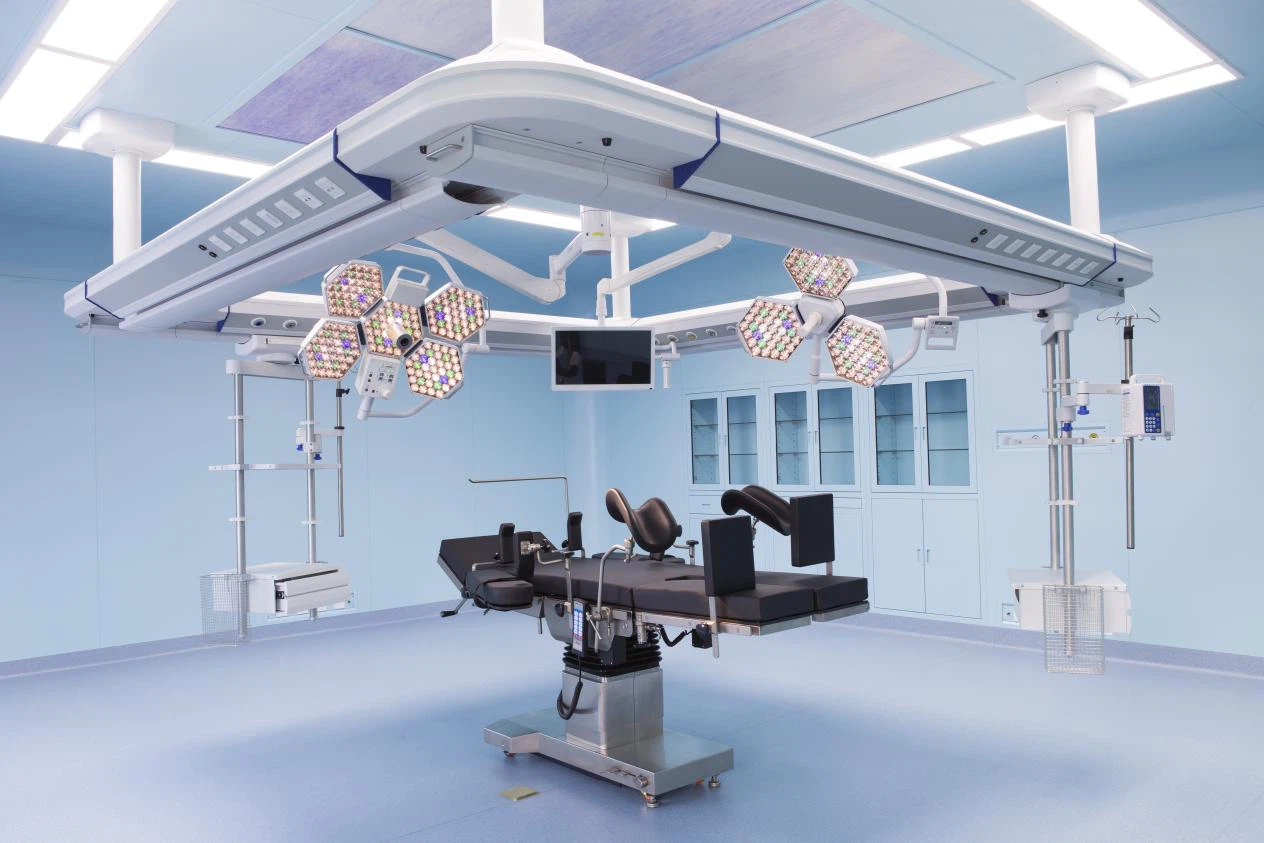
Emfix Medical specializes in outfitting complete surgical suites and intensive care departments. Our core equipment lineup includes:
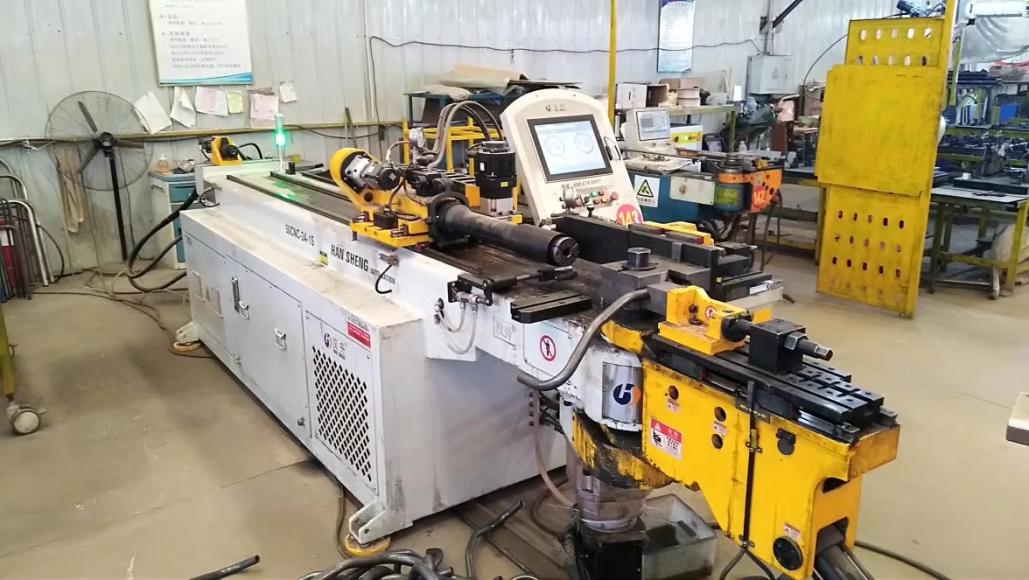
Our commitment to zero-defect manufacturing is validated by our advanced production machinery. Below is a detailed view of our dedicated fabrication line for medical bridge pendants and ceiling columns:
Customizing ICU Bridge Pendants for diverse clinical settings across the Kathmandu Valley and provincial medical centers.
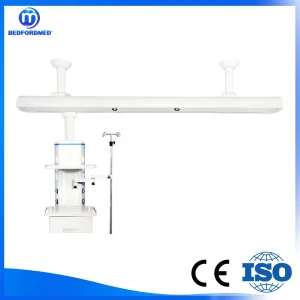
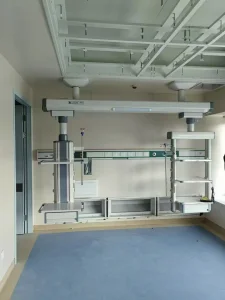
For high-volume public intensive care units (such as Bir Hospital's surgical ICUs), durability and high gas-outlet capacity are paramount. Emfix multi-bed continuous bridge pendants allow seamless horizontal positioning over adjacent beds, maximizing space utilization in tight wards while maintaining independent gas-electric supply columns for each patient bed.
Leading private institutions in Kathmandu focus heavily on modern ergonomic aesthetics, low-noise pneumatic braking systems, and integrated digital data ports (RJ45, HDMI, fiber optic) to support real-time Tele-ICU monitoring and centralized Hospital Information Systems (HIS).
Kathmandu's expanding maternity and pediatric centers require soft-lighting illuminated bridges with specialized shelves for neonatal incubators, blue-light phototherapy equipment, and ultra-precise micro-oxygen flowmeters.
Direct answers to engineering, procurement, logistics, and compliance questions from hospital directors and biomedical engineers in Nepal.
Our ICU Bridge Pendants for Kathmandu are supplied with structural mounting plates manufactured from 16mm thick structural carbon steel, anchored into reinforced concrete ceilings using heavy-duty chemical expansion anchors rated for Zone 5 seismic activity. Internal gas and electrical lines feature flexible anti-vibration joint buffers to prevent fracturing during tremor shocks.
Yes, absolutely. We supply gas outlets pre-configured to British Standard (BS 5682), German Standard (DIN 13260-2), or American Standard (Ohmeda / DISS) depending on your facility's current Medical Gas Pipeline System (MGPS). Every terminal undergoes 100% pneumatic pressure leak testing (at 1.5 times working pressure) before dispatch.
We offer comprehensive CIP/DDP logistics support to Kathmandu. Shipments are dispatched via ocean freight from Shanghai Port to Kolkata Port (India), transiting overland via Birgunj Dry Port directly to Kathmandu, or shipped via direct Air Freight (Shanghai Pudong TIA to Kathmandu Tribhuvan International Airport - KTM) for urgent emergency projects.
All Emfix medical pendant systems carry full ISO 13485 (Medical Devices Quality Management), CE Mark (Class IIa Medical Devices Directive 93/42/EEC), FDA compliance documentation, and MDA Class A certification, facilitating smooth customs clearance and Department of Drug Administration (DDA) registration in Nepal.
By segregating fluid lines (infusion, blood transfusions, suction) to one side of the bridge and high-voltage electrical supplies and digital monitors to the opposite side, nursing staff gain 360-degree unhindered bed access. This design drastically cuts turnaround time during resuscitation emergencies and prevents accidental liquid short-circuits.
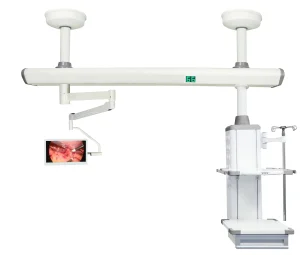
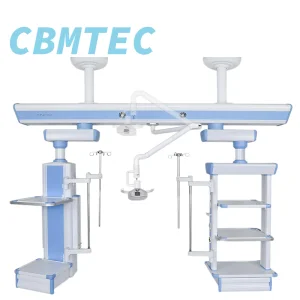
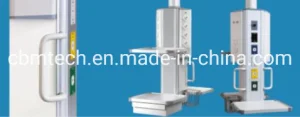
Explore our complete range of certified ceiling bridge systems and specialized surgical towers.
Contact Shanghai Emfix Medical's engineering team today for comprehensive technical specifications, CAD layout drawings, and competitive direct-factory pricing for your tender.
Send Inquiry Now Emfix Medical