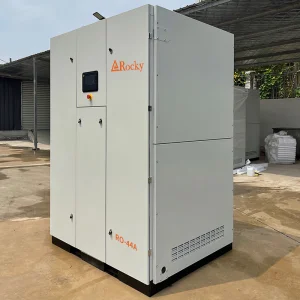
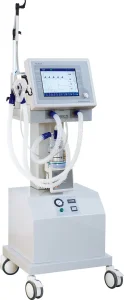
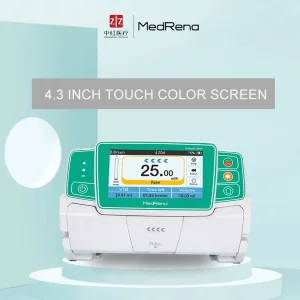
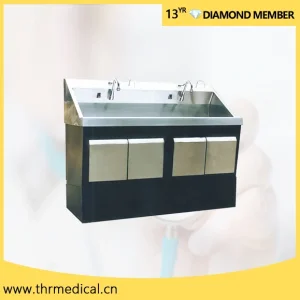
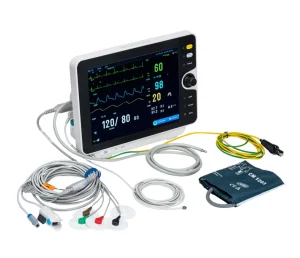
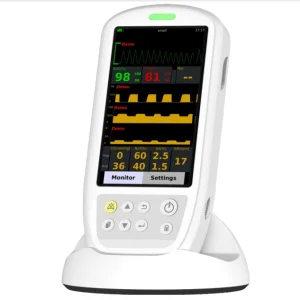
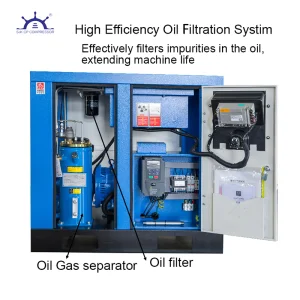
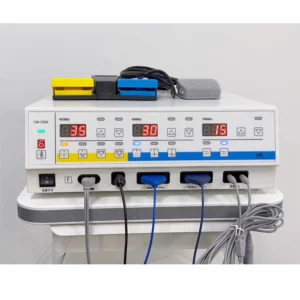
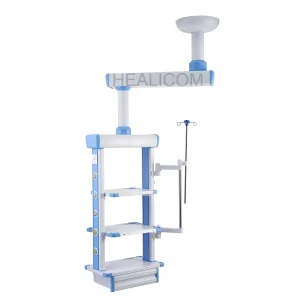
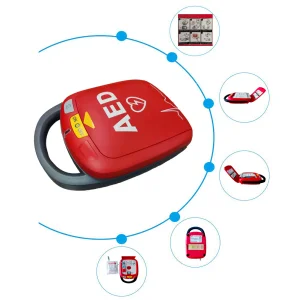
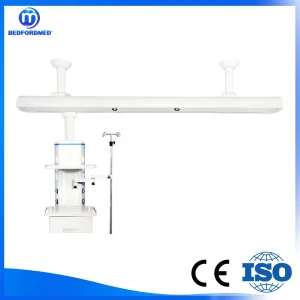
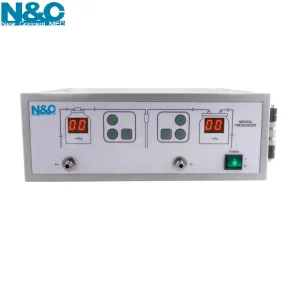
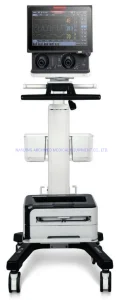
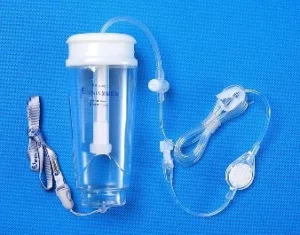
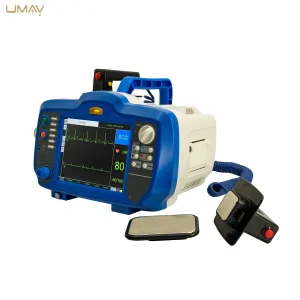
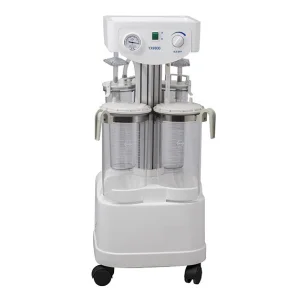
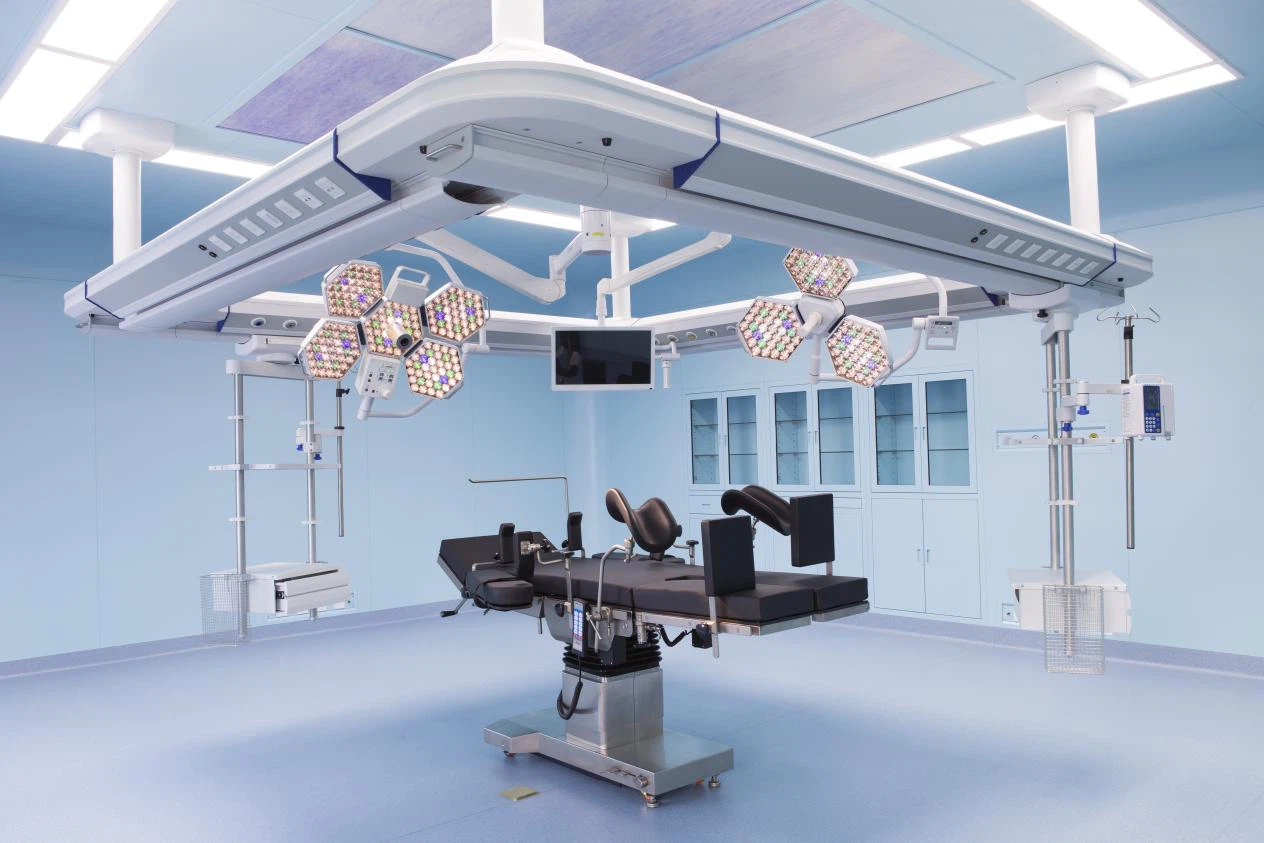
To ensure total environmental control, pressure integrity, and operational success, Emfix Medical produces an integrated suite of advanced surgical theater hardware and medical support machines.
In the rapidly advancing landscape of modern surgery, the transition from mechanical wound closure mechanisms—such as sutures and staples—to biopolymer-based adhesives and tissue sealants represents a profound technological leap. Globally recognized as a critical frontier in biomedical engineering, surgical adhesives are formulated to satisfy an array of stringent physiological and clinical criteria. They must provide rapid wound sealing, prevent the leakage of air and bodily fluids, accelerate natural hemostasis, and minimize tissue trauma.
As clinical standards elevate under regulatory oversight from the FDA, CE, and equivalent global health authorities, the demand for high-purity, bio-absorbable, and biocompatible adhesives has reached unprecedented levels. Modern surgical procedures call for customized formulation kinetics, including tunable polymerization speed, tailored biodegradation rates, and optimal tensile strengths that match the natural elastic modulus of various human tissues. To address these complex needs, global healthcare organizations look to leading OEM/ODM manufacturing enterprises like Shanghai Emfix Medical Co., Ltd. to deliver cutting-edge solutions backed by scientific rigor and state-of-the-art sterile manufacturing processes.
Formulated to achieve minimal tissue inflammation and zero cytotoxic trace impurities.
Fast-acting liquid monomers that form robust, cross-linked structural barriers rapidly.
Produced in Class 10,000 cleanrooms to eliminate microbial contamination risks.
The global market for surgical sealants and adhesives is experiencing a significant surge, driven by an aging global population, a rising volume of surgical procedures, and a growing clinical preference for minimally invasive surgeries (MIS). Key global trends highlight a transition away from traditional suturing tools to reduce operating times and eliminate secondary surgical removals. Synthetic formulations, such as cyanoacrylates and polyethylene glycol (PEG) hydrogels, sit alongside biological options like fibrin sealants and collagen-based matrices to define the modern clinical armamentarium.
From a commercial standpoint, barriers to entry are exceptionally high due to the strict regulatory pathways enforced by global authorities. To market a surgical adhesive, medical device companies must undergo comprehensive clinical trials demonstrating the material’s safety profile, chemical stability, degradation behavior, and shear resistance. This challenging landscape has led international distributors, healthcare networks, and medical brands to depend heavily on OEM and ODM factories that maintain certified quality management systems and high-throughput production lines.
Headquartered in Shanghai, China, often referred to as the "Oriental Paris," Shanghai Emfix Medical Co., Ltd. has been at the forefront of the medical device industry for over 30 years.
With a steadfast commitment to clinical innovation and sustainable development, Emfix Medical has consistently evolved since its inception. By combining advanced manufacturing technologies with an experienced research division, we ensure the highest standards across production, quality validation, and global customer support.
Our established catalog of high-precision equipment forms the backbone of hospital operating rooms worldwide, integrating seamlessly with our emerging research in medical-grade polymers and specialized surgical adhesive delivery systems. Our comprehensive product lineup includes:
Emfix Medical combines a highly integrated production ecosystem, rigorous certification compliance, and global logistical support to serve medical brands across 50+ countries.
Unlike standard trading agents, Emfix Medical manages every development phase in-house. We operate three state-of-the-art factories, each dedicated to specific product lines to guarantee workflow precision, prompt order delivery, and structural reliability.
Our manufacturing centers strictly adhere to international medical device directives. Emfix Medical holds certifications under ISO 13485, CE, FDA, and MDA, and operates as a recognized Class A Enterprise in China, assuring full compliance with global regulatory audits.
With distribution networks stretching across over 50 countries, including North America, Europe, the Asia-Pacific region, and Africa, we maintain active technical partnerships with leading biomedical organizations to continuously integrate advanced technologies.
To guarantee structural longevity, dimensional precision, and optimal clinical performance, our production lines follow strict quality checkpoints.
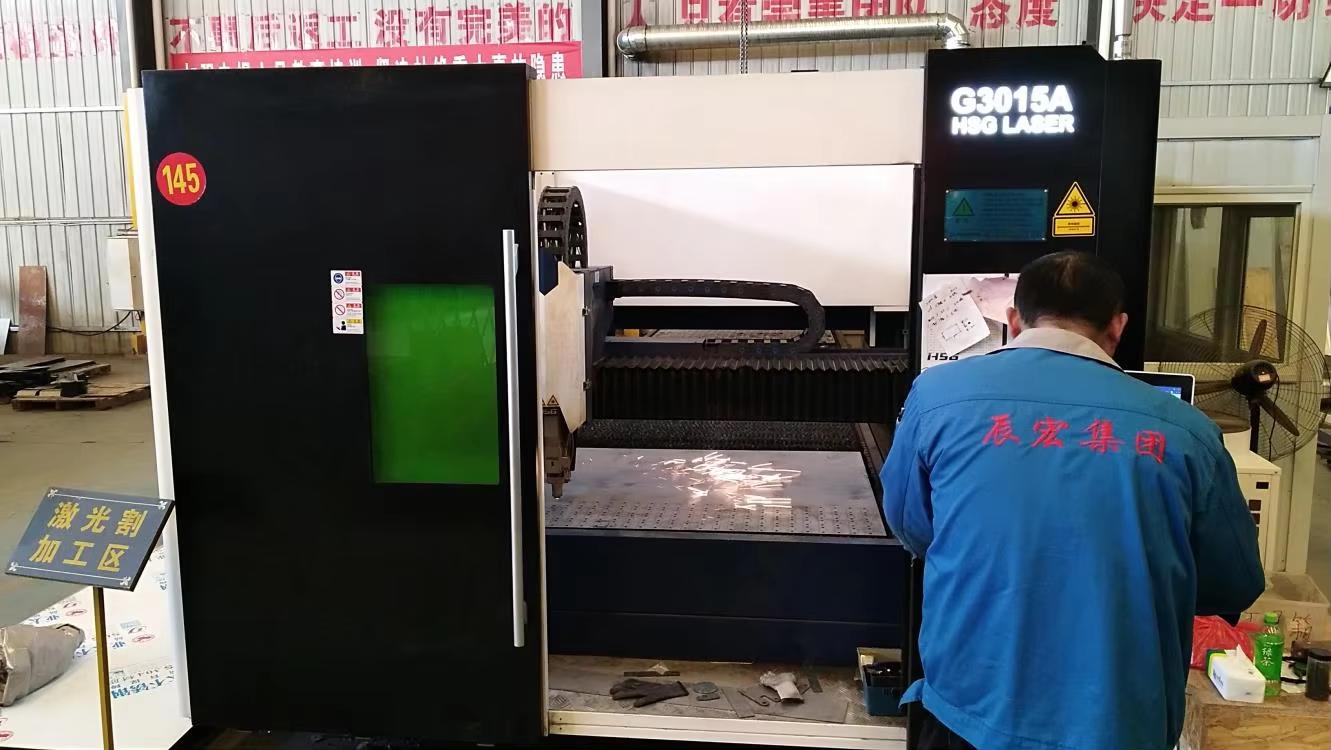
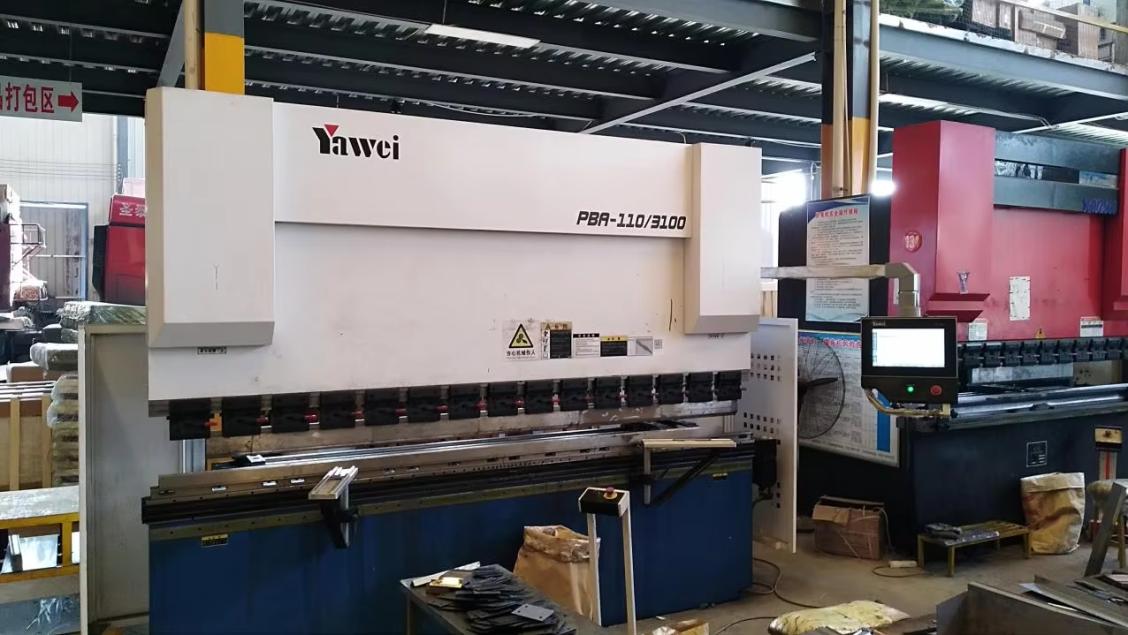
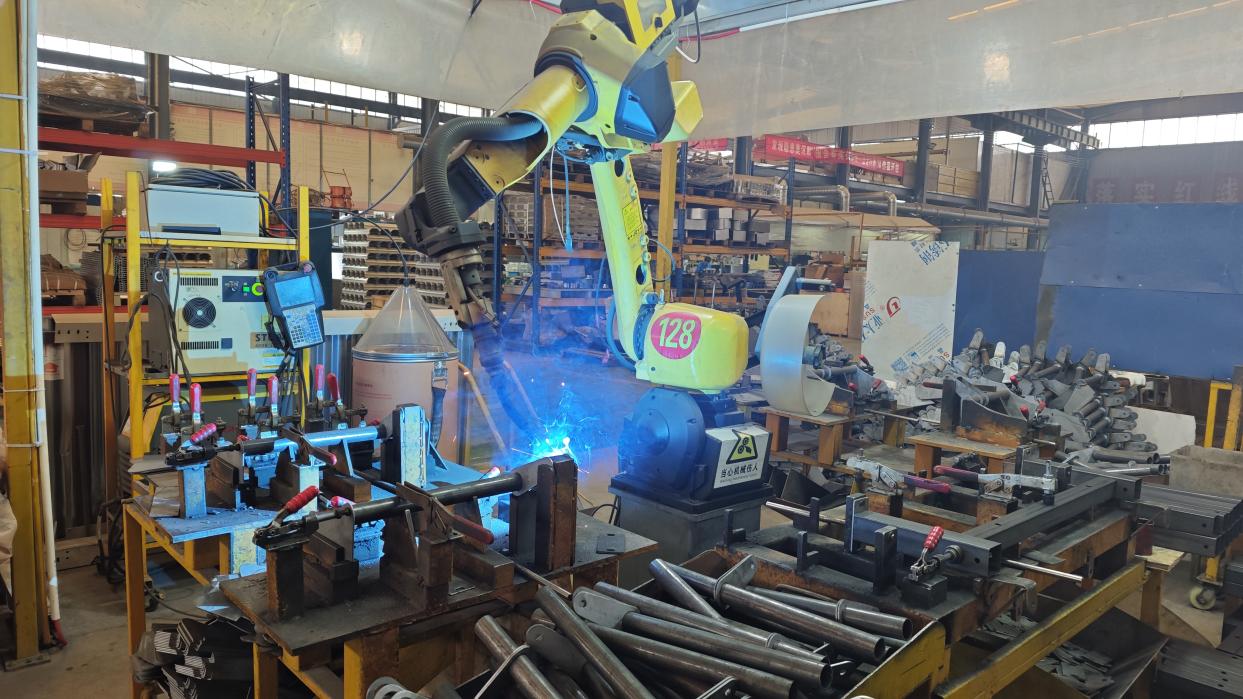
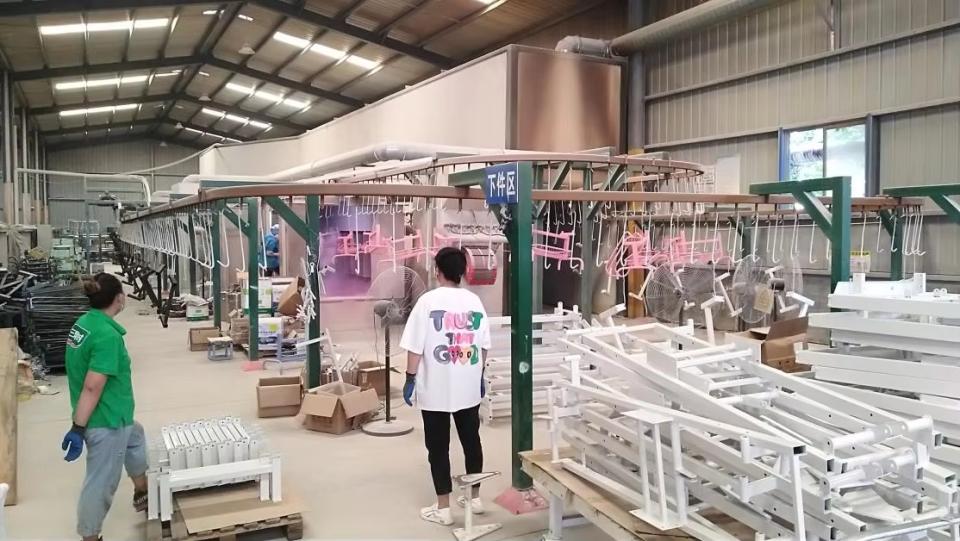
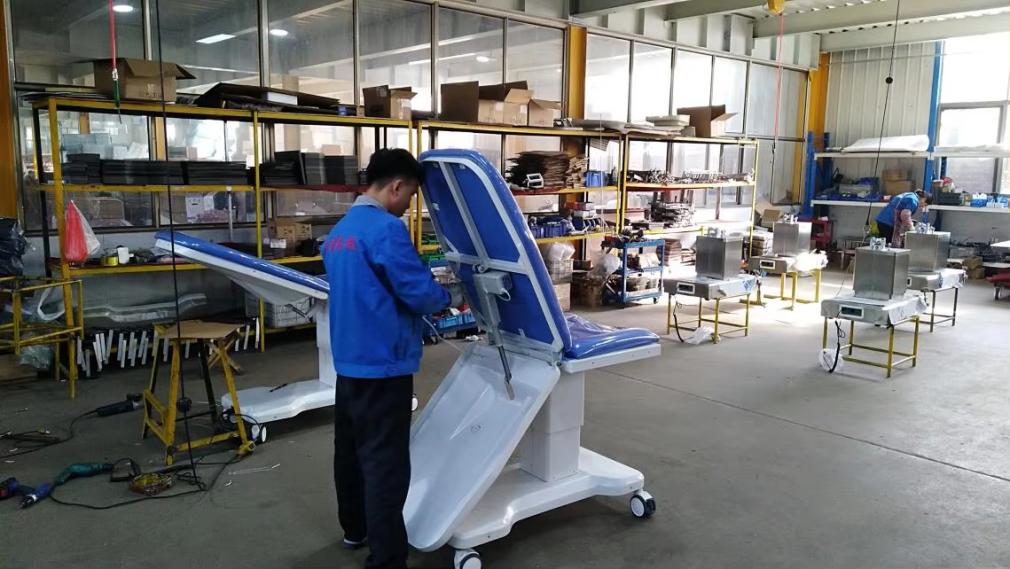
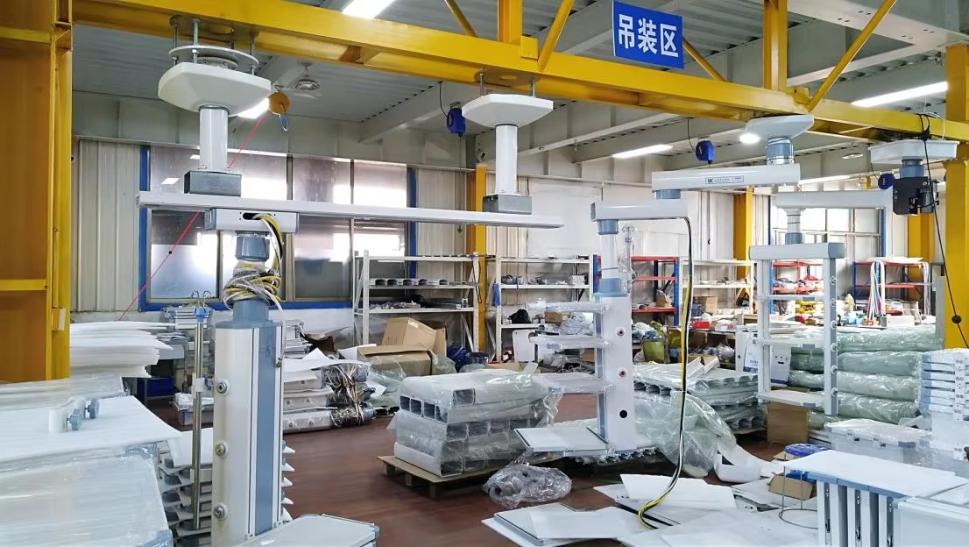
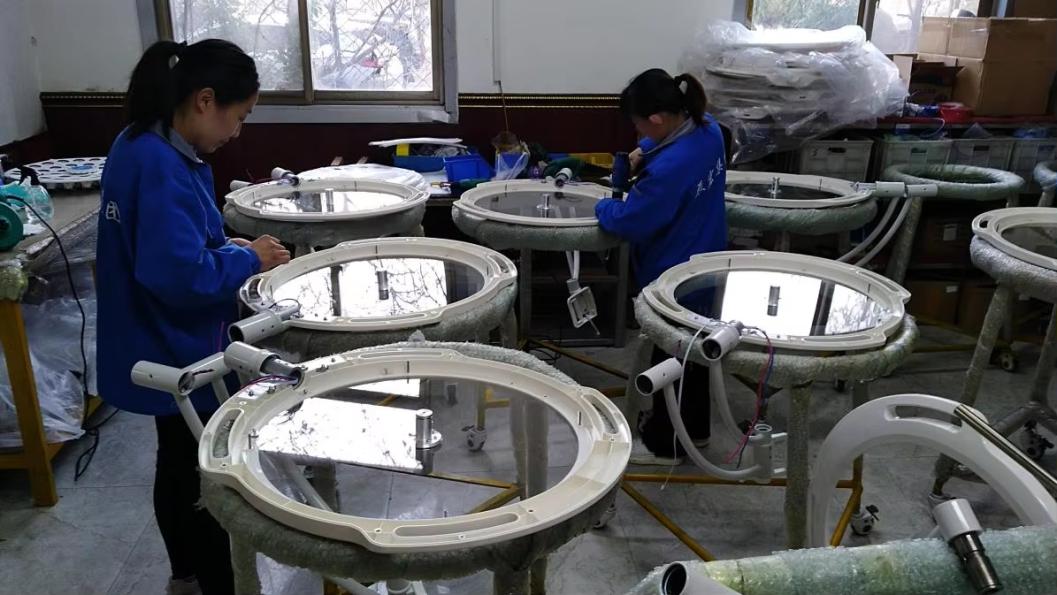
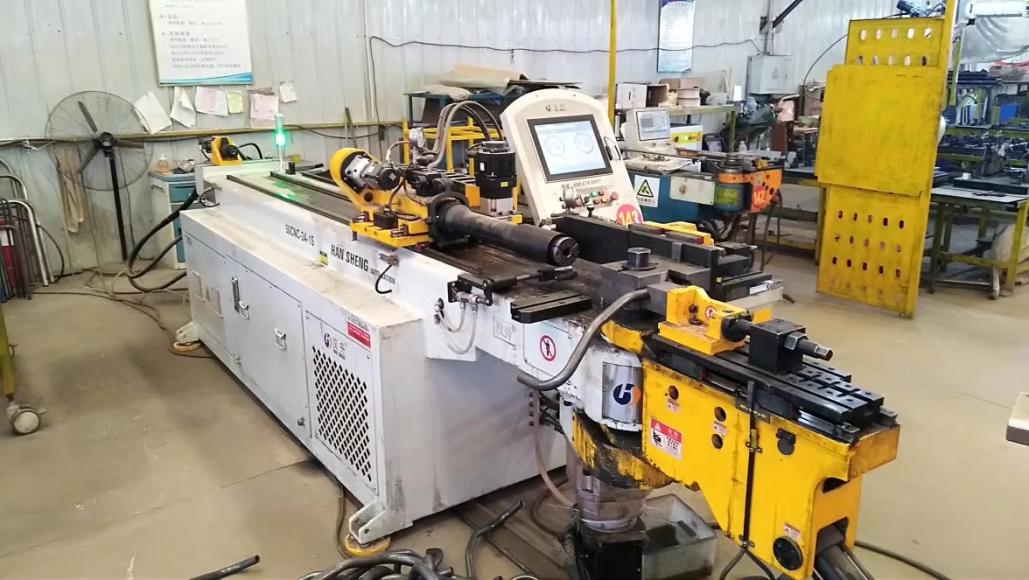
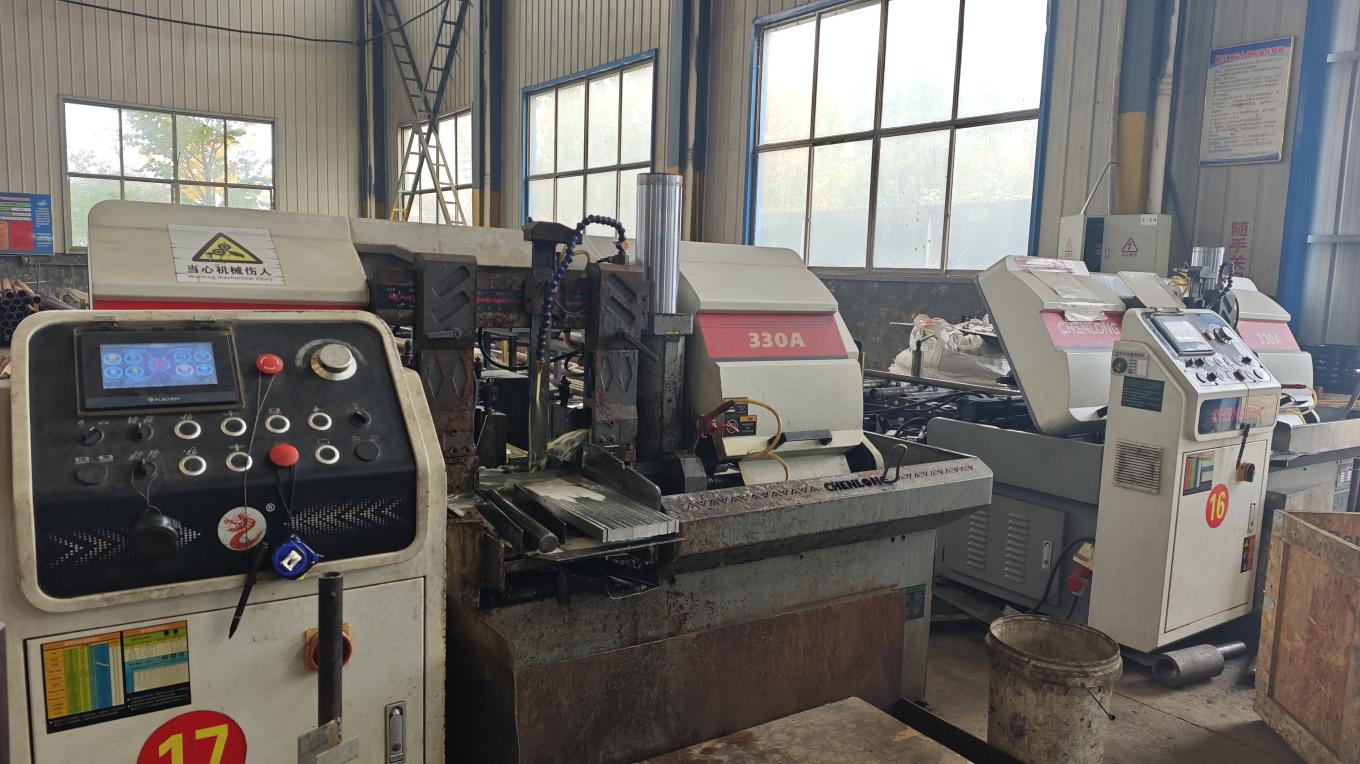
The efficiency advantages of Chinese medical manufacturing centers—especially in industrialized hubs like Shanghai—depend on a highly coordinated supply chain and mature infrastructure. For complex biomedical polymers and surgical equipment, raw material access, container transit networks, and engineering resources are highly localized. This proximity reduces procurement lead times, allowing us to source materials, process components, run biocompatibility testing, and complete final packaging efficiently.
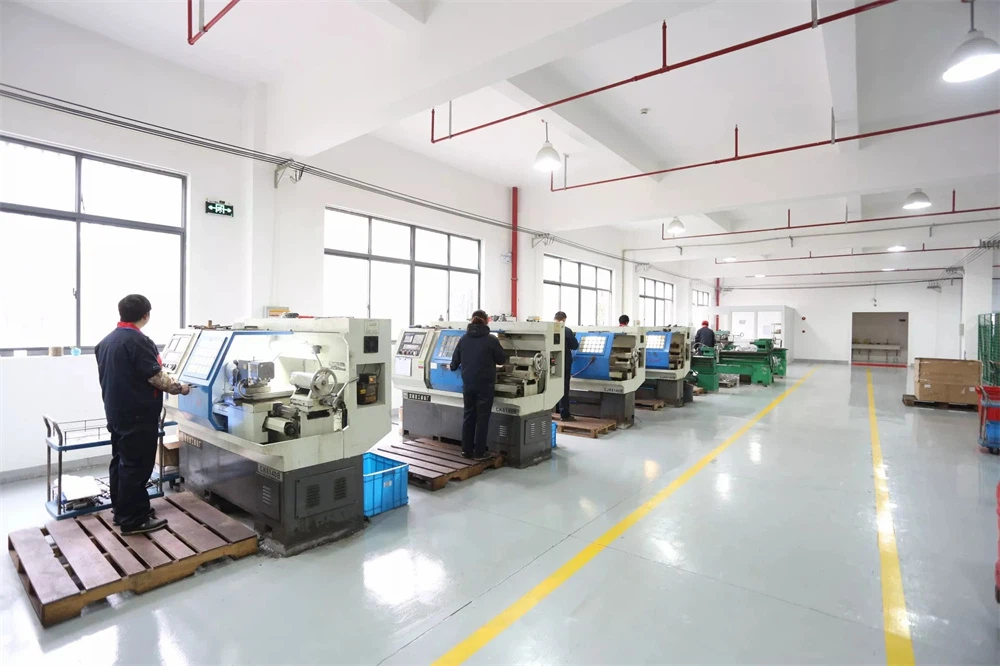
Moreover, our advanced factory automation and integrated manufacturing lines lower production overheads while maintaining strict compliance with ISO 13485 standards. Emfix Medical utilizes CNC machinery, robotic welding arms, and automated assembly systems to minimize human error and ensure consistent, batch-to-batch product uniformity.
For international brands seeking OEM and ODM partners, these cost efficiencies translate directly into increased R&D budget flexibility and competitive pricing structures. By leveraging our design capabilities, overseas buyers can fast-track custom engineering projects—such as specialized viscosity modifications or custom applicator tips—without facing the cost overruns typical of fragmented supply chains.
Through direct control over every step of production, Emfix Medical delivers high-performance medical systems and materials that meet the demanding benchmarks of modern surgical environments.
Surgical adhesives and tissue sealants are formulated to meet the unique physiological challenges of diverse surgical applications.
Fibrin-based and albumin-based glues are used to reinforce vascular reconstructions and prevent leakage in high-pressure arterial anastomoses, where traditional sutures might tear fragile vessel walls.
High-strength cyanoacrylates are essential for rapid, sutureless skin closure in emergency settings, reducing infection risks and providing an immediate barrier against environmental contaminants.
Hydrogel sealants are used to seal visceral leaks and protect suture lines after gastrointestinal resections, shielding healing tissues from corrosive digestive enzymes.
The next generation of surgical adhesives is moving toward responsive systems that adapt to physical environments. Research in biomimetic adhesives—inspired by the wet-adhesion proteins of marine organisms—focuses on polymers that cure quickly in fluid-rich environments. Additionally, smart hydrogels that polymerize under specific light wavelengths (such as UV or blue light) allow surgeons to control curing times precisely.
Another major trend is the integration of therapeutic agents directly into the adhesive matrix. By embedding slow-release antimicrobials, localized anesthetics, or tissue growth factors, these advanced adhesives do more than seal wounds—they active support tissue regeneration and help prevent post-operative infections.
Global healthcare agencies are emphasizing sustainability and material safety, driving the demand for fully biodegradable and absorbable tissue adhesives. Formulations must break down into non-toxic metabolic byproducts at a rate that matches natural tissue healing, avoiding chronic inflammatory responses.
Emfix Medical is committed to green chemistry and sustainable engineering, investing in clean-source raw materials and low-emission production technologies to align with global environmental goals without compromising clinical performance.
For commercial procurement officers and international distributors, evaluating a surgical adhesive supplier involves several critical parameters:
Detailed mechanical metrics, including lap-shear strength (ASTM F2255), burst pressure resistance (ASTM F2392), viscosity ranges, and polymerization heat profiles.
Evidence of robust sterilization methods (such as Gamma radiation, Electron-beam, or Ethylene Oxide) that protect the chemical integrity of the active polymers.
Access to customized packaging configurations, including dual-chamber syringes, fine-gauge spray tips, micro-applicators, and moisture-resistant packaging.
Full dossier packages containing biocompatibility reports (ISO 10993), clinical trial data, manufacturing safety sheets, and valid ISO 13485 audits.
Explore answers to key technical, regulatory, and chemical questions regarding OEM/ODM surgical adhesive production.
N-butyl cyanoacrylate polymerizes rapidly upon contact with tissue fluids and provides high tensile strength, making it ideal for fast, effective wound closure. However, it can form a relatively brittle crystal barrier. Octyl cyanoacrylate polymerizes slightly slower but forms a more flexible, elastic bond that accommodates natural skin movement. This flexibility makes it highly suitable for high-tension areas and superficial skin incisions.
Sterilizing reactive monomers is a delicate process, as high heat or moisture can trigger premature polymerization. We employ low-temperature Ethylene Oxide (EtO) gas sterilization or controlled Electron-beam exposure, backed by continuous validation testing. This ensures full sterility compliance (Sterility Assurance Level 10^-6) without altering the adhesive’s viscosity, curing speed, or shelf life.
Our ODM capabilities cover key product characteristics, including polymer formulation viscosity, curing speed (ranging from 10 to 60 seconds), degradation rate, coloring (e.g., adding D&C Violet No. 2 for visibility), and primary applicator designs. We also offer private labeling and custom kit packaging to meet local market requirements.
Every production batch undergoes testing according to ISO 10993 international standards. This includes in vitro cytotoxicity testing, intracutaneous reactivity validation, systemic toxicity assessments, and local implantation tolerance studies to ensure the finished material minimizes histotoxicity and inflammatory responses.
By utilizing high-barrier aluminum tubes, airtight glass ampoules, and specialized nitrogen-flush packaging, we can achieve stable shelf lives ranging from 18 to 24 months. For optimal stability, we recommend storing the products under temperature-controlled conditions (typically between 2°C and 8°C).
Complementing our high-precision materials, we offer essential hardware and life-support systems designed for modern medical environments.
 Emfix Medical