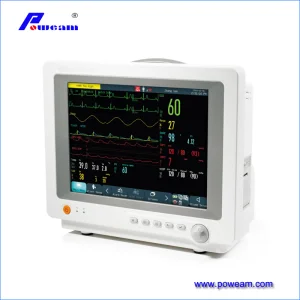
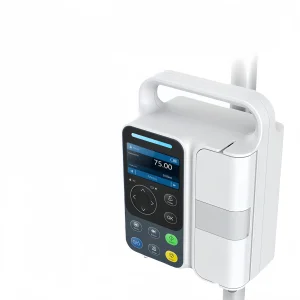
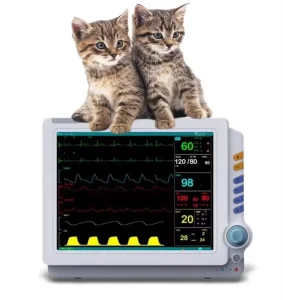
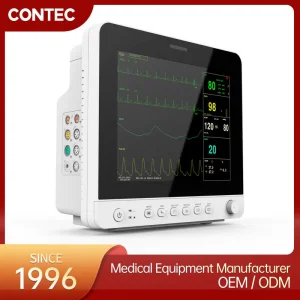
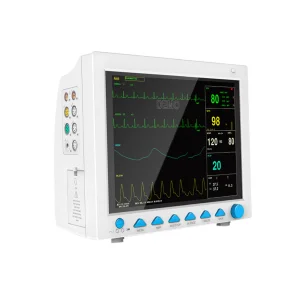
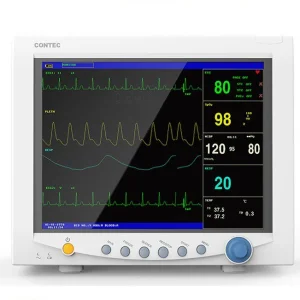
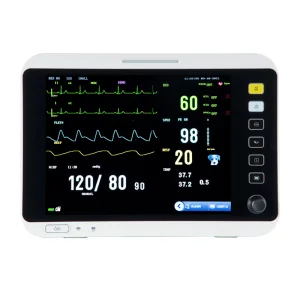
Engineered for high adaptability in medical environments across Nepal, from Kathmandu intensive care units to remote municipal health posts.
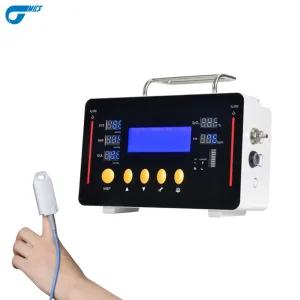
In recent years, Nepal has witnessed a massive transition in its medical sector. Fueled by governmental healthcare goals and private sector hospital expansions in metropolitan hubs like Kathmandu, Lalitpur, Pokhara, and Biratnagar, the demand for high-tier medical hardware has expanded exponentially. As secondary and tertiary hospitals upgrade their Critical Care Units (ICUs) and Neonatal Care Units (NICUs), the deployment of precise, dependable bedside physiological monitoring becomes non-negotiable.
However, sourcing and installing equipment in Nepal poses distinct topographic and infrastructural challenges. Many regional health hubs are located in high-altitude zones where atmospheric pressure drops significantly. This directly influences the measurement of respiratory metrics and blood gas values. Traditional SpO2 and Capnography (EtCO2) monitoring systems require advanced sensor calibration matrices to avoid reading drifts in high-altitude communities.
Furthermore, municipal electrical supplies outside major cities are often prone to micro-blackouts and wide voltage swings. This necessitates importing patient monitoring equipment built with broad input-voltage tolerances, integrated high-efficiency batteries, and robust protective shielding against sudden surges.
Globally, the patient monitoring industry has evolved far past local waveform rendering. Modern systems serve as intelligent data terminals integrating telemetry, wireless networking, and computerized telemetry alerts. The transition from standalone bedside boxes to unified, Hospital Information System (HIS) connected hubs allows doctors to track clinical parameters from anywhere on the planet.
Advanced modular monitors are standardizing multi-parameter configurations, integrating standard values like ECG, NIBP, Respiration, SpO2, and Temperature with advanced tools like Invasive Blood Pressure (IBP), Cardiac Output (CO), and anesthetic gas monitoring (AG). By utilizing smart algorithms, today's patient monitors filter out muscle movement artifacts and electrical interference in the operating theater, ensuring high measurement precision.
For regions with limited critical care specialists, like regional areas in Nepal, remote clinical monitoring bridges the geographical gap. By translating patient telemetry to centralized monitoring terminals via Wi-Fi or cellular links, specialists in centralized hubs can review parameters from remote outposts in real-time, greatly improving diagnostic outcomes.
Headquartered in Shanghai, China, often referred to as the "Oriental Paris," Shanghai Emfix Medical Co., Ltd. has been at the forefront of the medical device industry for over 30 years. With a steadfast commitment to innovation and sustainable development, Emfix Medical has consistently evolved since its inception, ensuring the highest standards in research, manufacturing, and customer service.
With a rich history of more than three decades in the medical instrument industry, Emfix Medical specializes in the manufacturing and development of a wide range of medical devices designed to improve patient care and healthcare efficiency. Our comprehensive product lineup includes:
These products are not only well-received in the domestic Chinese market but also have a strong presence in international markets. We are proud to be recognized as one of the most trusted names in medical equipment manufacturing worldwide.
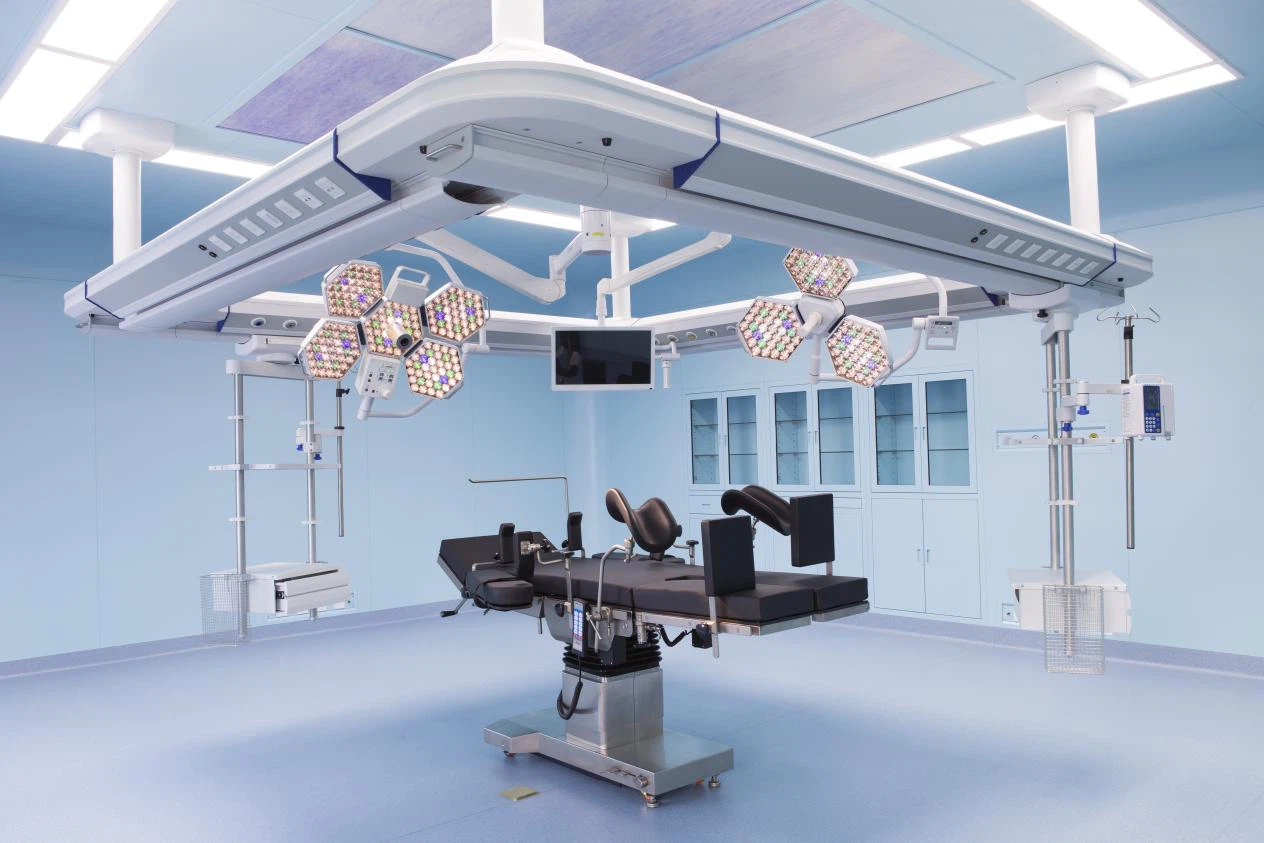
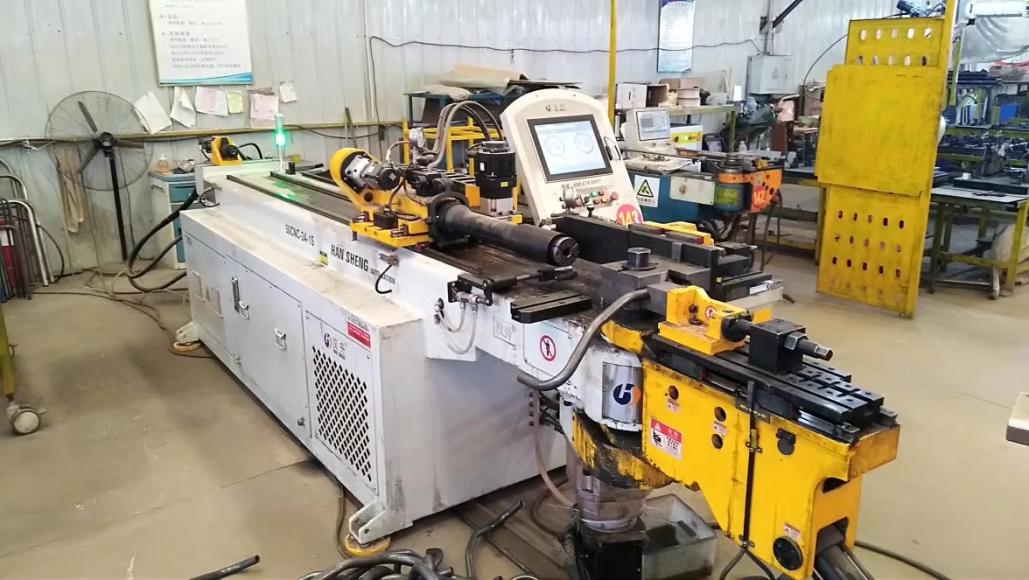
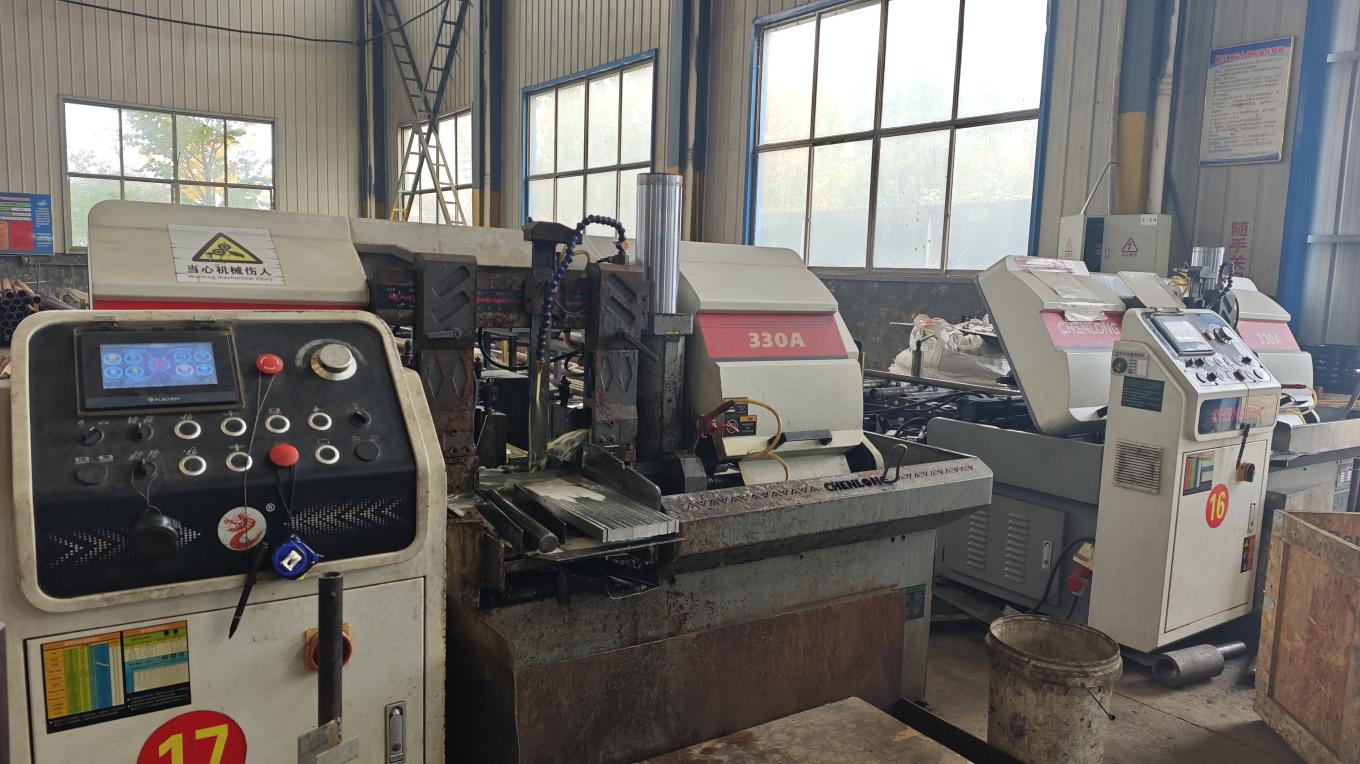
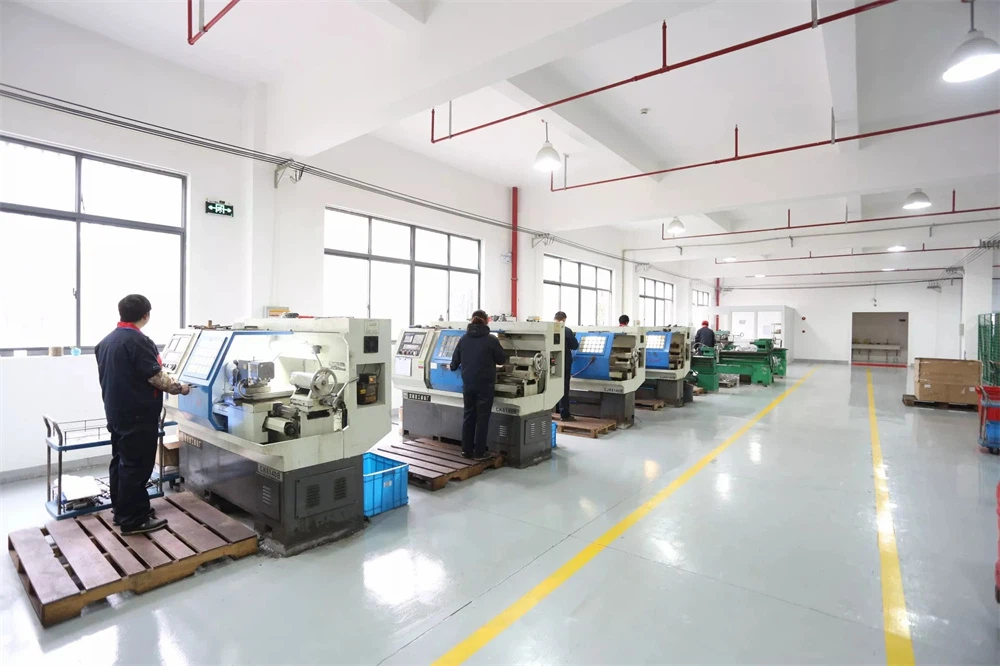
We operate three state-of-the-art factories, managing every phase from R&D to component processing, welding, and assembly, avoiding third-party markup.
Emfix Medical is ISO 13485, CE, FDA, and MDA certified, proving strict alignment with global healthcare device manufacturing standards.
Exported to more than 50 countries across the globe, including the Asia-Pacific region, Africa, Europe, and the United States.
We prioritize energy-efficient and environmentally-friendly medical solutions built to reduce carbon footprints and operating overheads.
Take an inside look at our modern manufacturing process, where high-precision machinery meets rigorous quality control to craft top-tier clinical equipment.
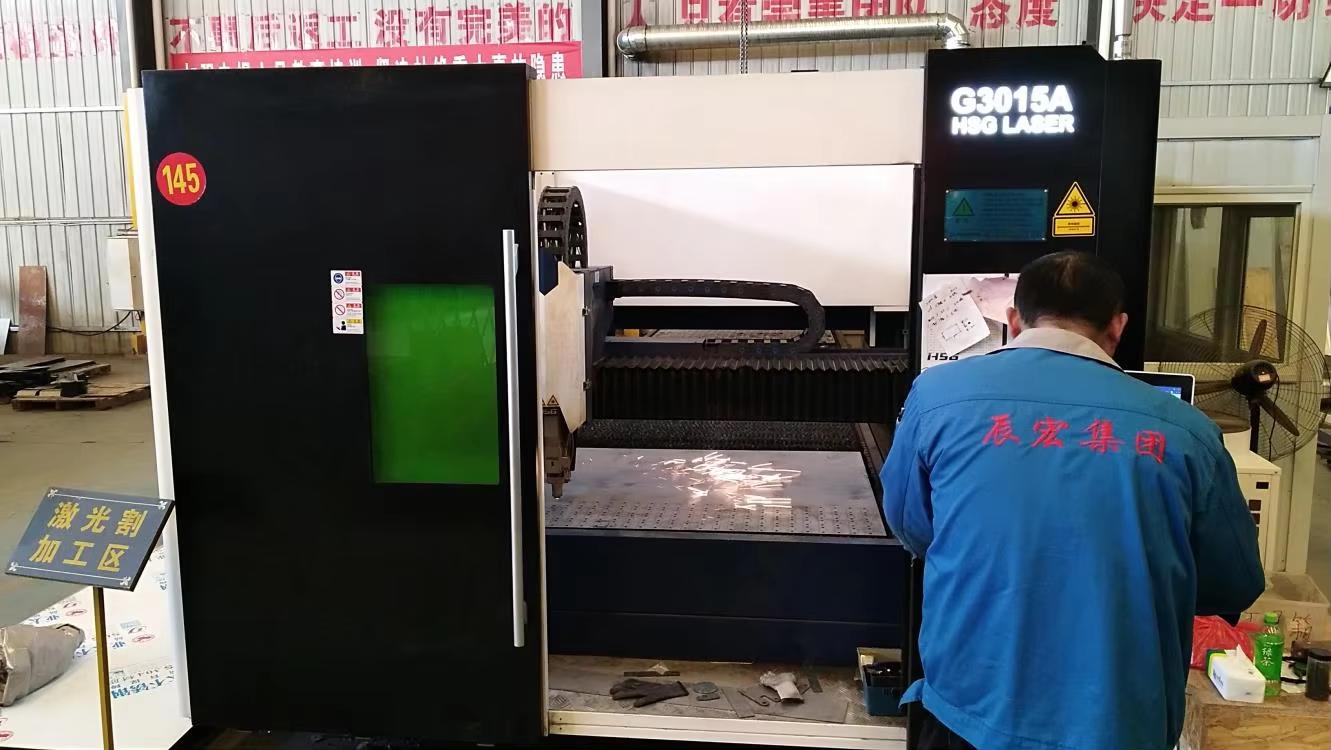
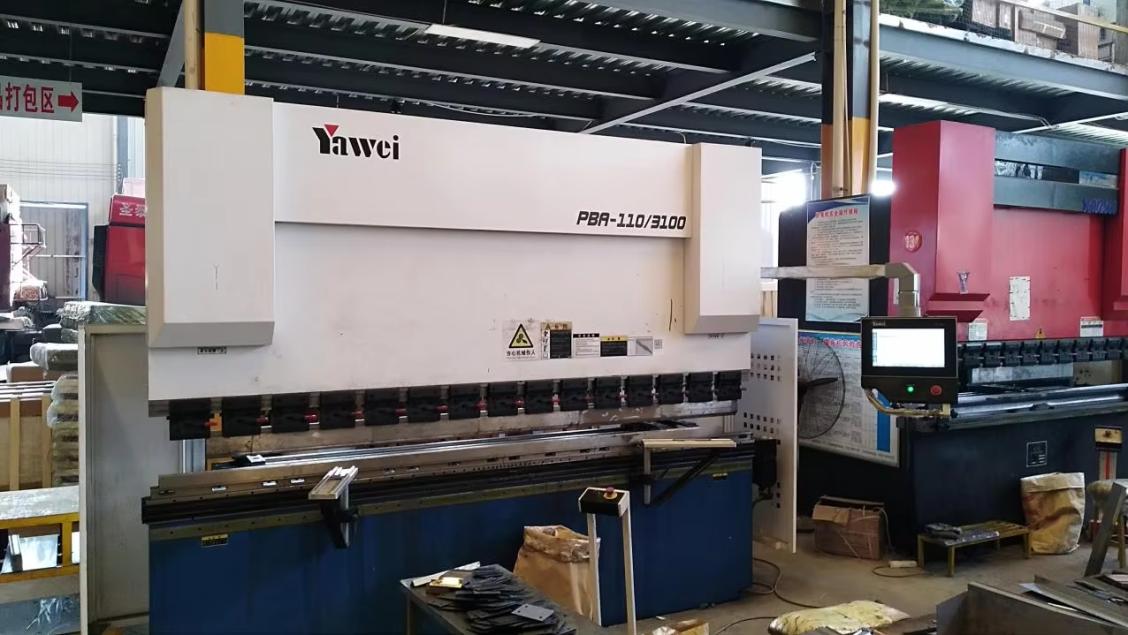
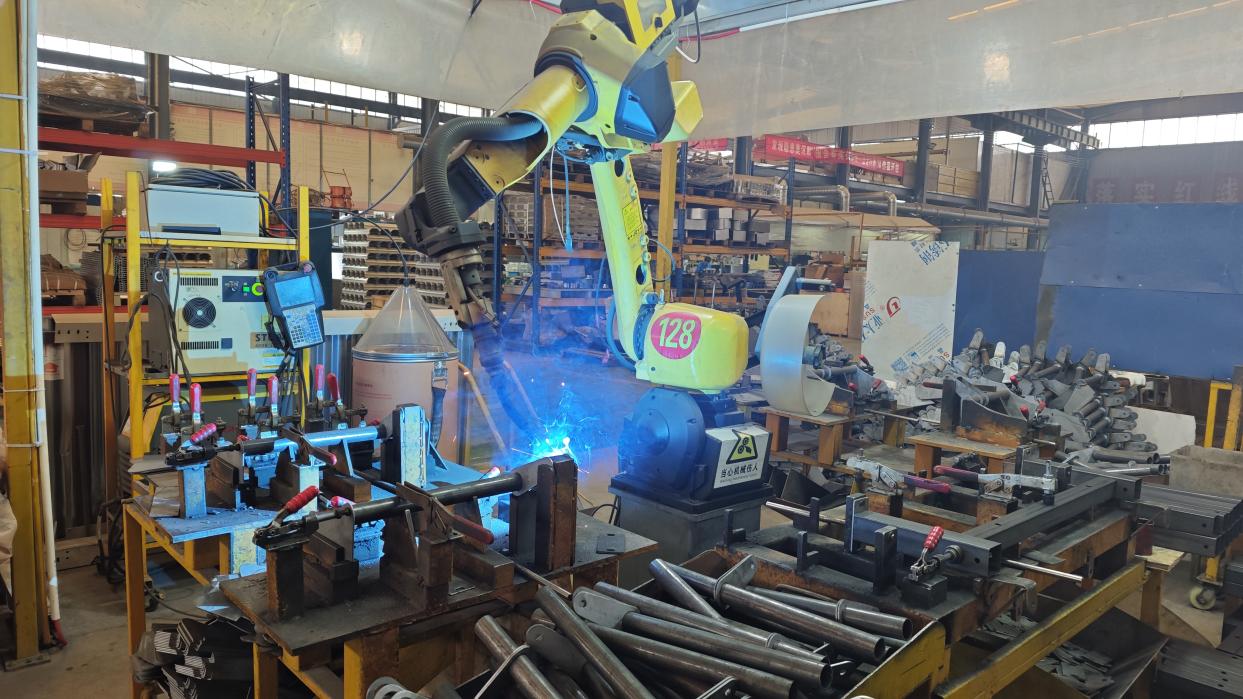
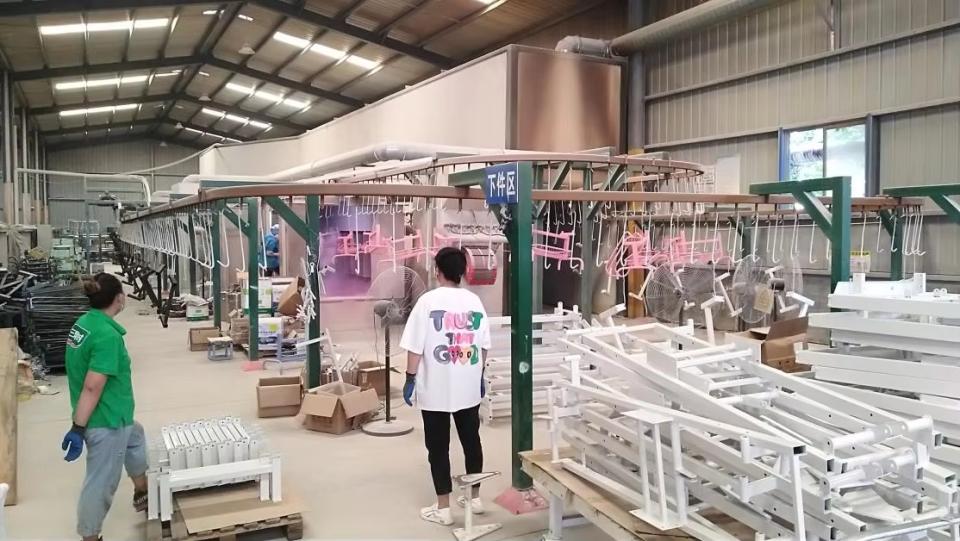
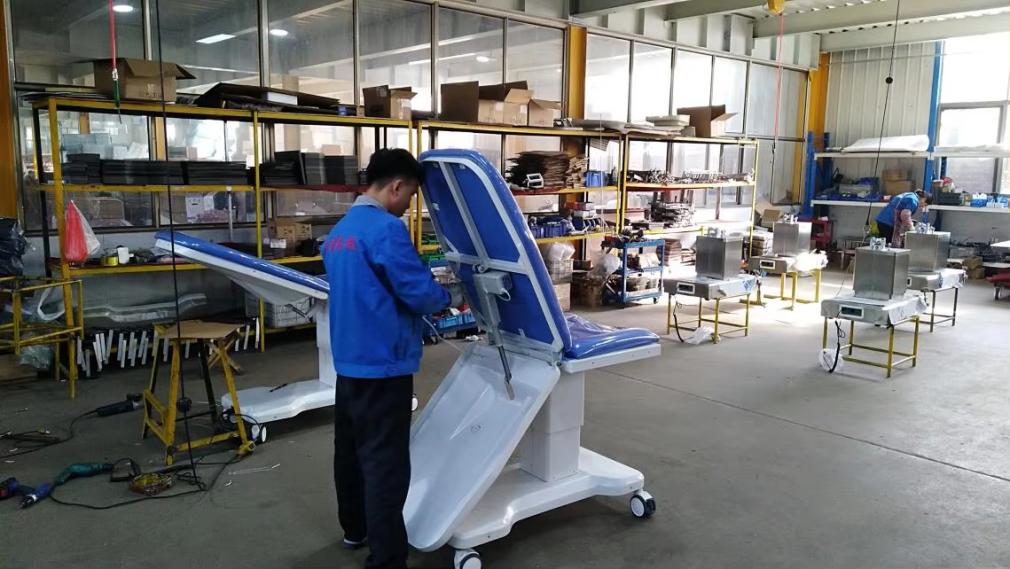
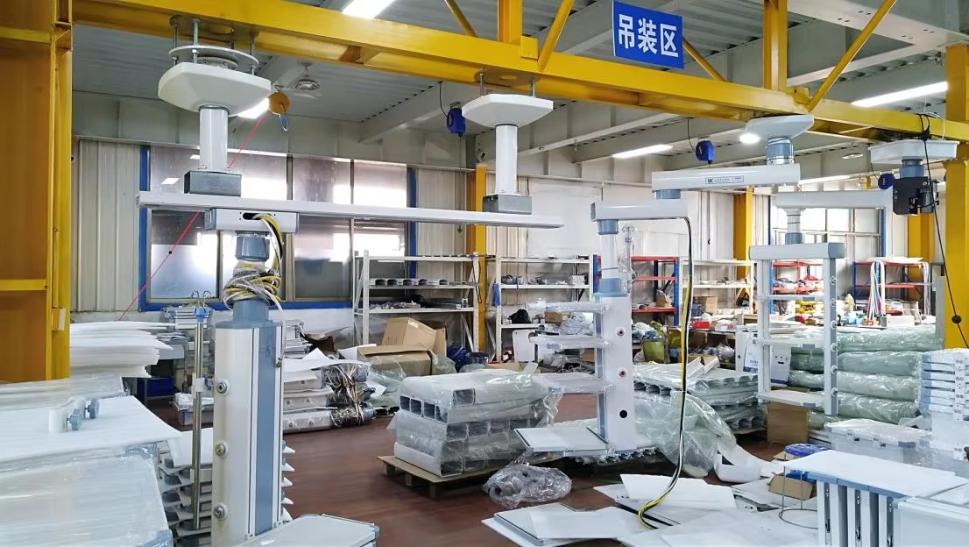
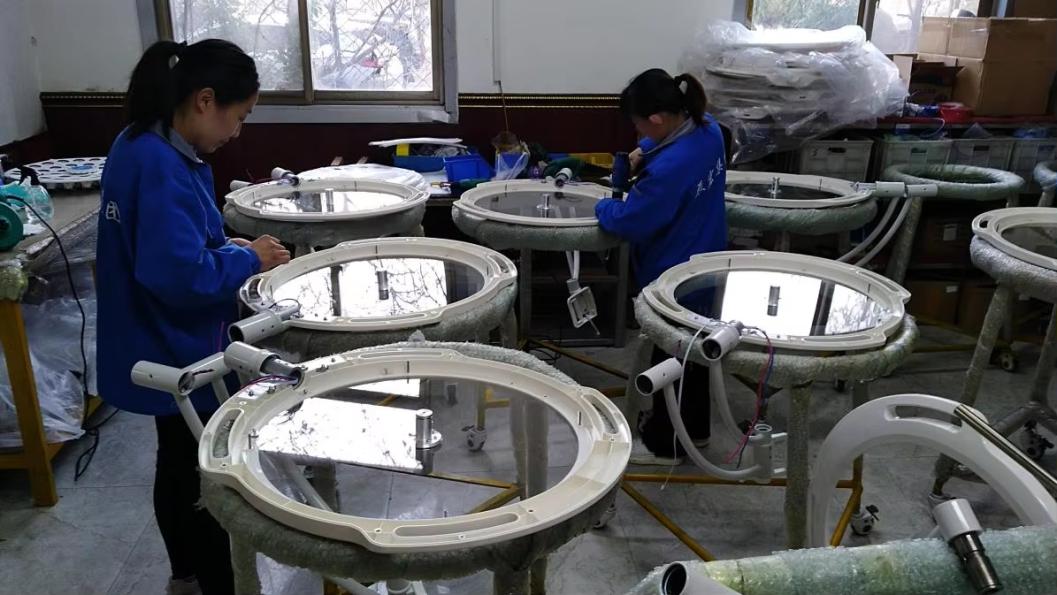
Clinical requirements differ greatly across Nepal's diverse geography and hospital tiers. Sourcing medical technology demands choosing products configured specifically to meet these localized needs.
1. Metropolitan Tertiary Care Centers (Kathmandu & Pokhara): Larger hospitals, such as Tribhuvan University Teaching Hospital or Bir Hospital, require high-definition multi-parameter monitors with modular structures. These settings necessitate patient monitoring systems configured for integration with central nursing stations, supporting invasive blood pressure (IBP) and anesthetic depth monitoring inside state-of-the-art operating theaters.
2. Rural District Hospitals & Remote Mountain Clinics: For clinics outside the Kathmandu valley, mobility and energy autonomy are essential. Portable vital signs monitors with robust outer casings, dust protection, and large-capacity internal batteries are critical. These devices must operate reliably during prolonged power failures and withstand dusty transport environments.
3. Neonatal & Pediatric Care: Specialized software algorithms are necessary for neonatal units across Nepal to monitor the physiological parameters of underweight infants. Gentle blood pressure inflation cycles and specialized high-sensitivity SpO2 sensors are critical to preventing skin injuries during continuous monitoring.
4. Mobile Medical Missions: Non-profit organizations running temporary surgical clinics in mountain passes require lightweight, all-in-one vital signs simulators and patient monitors. These units must be highly packable and easy to calibrate on-site.
Emfix Medical provides custom-tailored multi-parameter patient monitor shipments directly to Nepal. Work with a manufacturer certified in ISO 13485 & CE standards to ensure high reliability.
Contact Our Engineering TeamExplore our highly reliable product lines, offering specialized vital parameter trackers, replacement modules, and portable monitoring accessories.
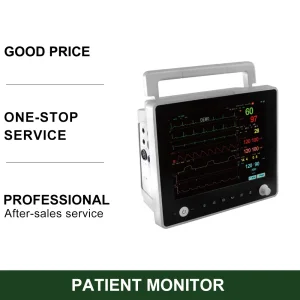
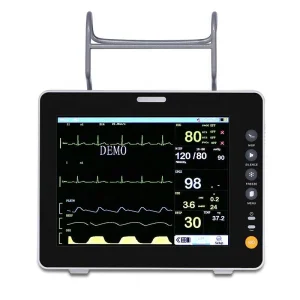
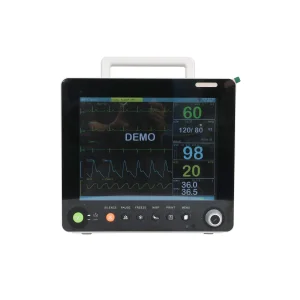
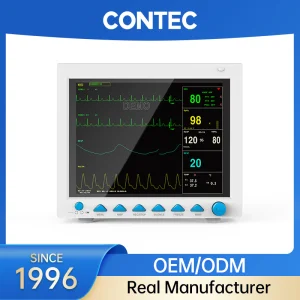
Completing our professional instrumentation selection, these specialized monitors and vital sign tracking devices ensure a comprehensive medical setup.
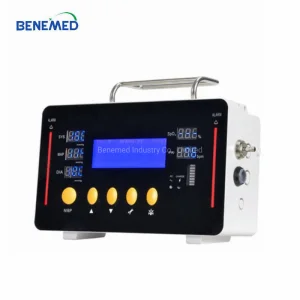
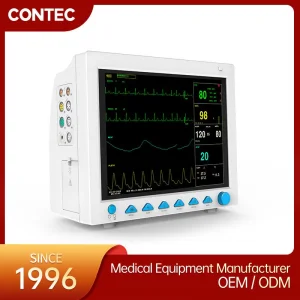
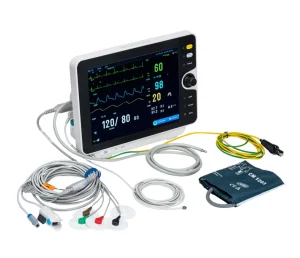
As diagnostic technology advances, manufacturers like Shanghai Emfix Medical are integrating clinical hardware with predictive software capabilities. The next generation of patient monitors will move beyond simple data displays to actively support decision-making in high-pressure clinical scenarios.
AI-Powered Signal Processing: One major upgrade is the introduction of machine learning algorithms that analyze ECG patterns in real time. These algorithms flag irregular waveforms like atrial fibrillation and ventricular tachycardia before they trigger critical alarms, helping to reduce alarm fatigue for clinical staff.
Integrated Telemedicine Modules: With the expansion of 4G/5G and satellite internet in Nepal, patient monitors with integrated cellular modems can upload patient vitals directly to cloud-based systems. This allows remote diagnostic centers to view live telemetry from local community clinics, simplifying expert consults.
Dynamic Battery Management: Energy conservation is critical. New technical developments include low-power displays, smart standby modes, and high-energy-density solid-state batteries. These innovations ensure monitors remain operational for extended periods during transport or regional power outages.
Answers to common questions regarding sourcing, importation, installation, and support of patient monitors in Nepal.
Connect directly with Shanghai Emfix Medical Co., Ltd. for factory pricing, customized technical specifications, and logistics support tailored to the Nepalese healthcare sector.
Send Inquiry Now Emfix Medical