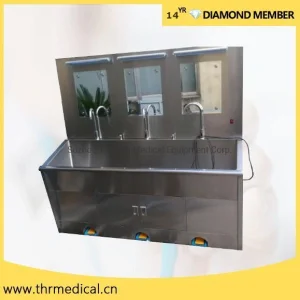
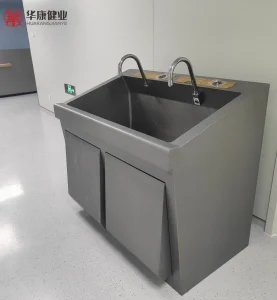
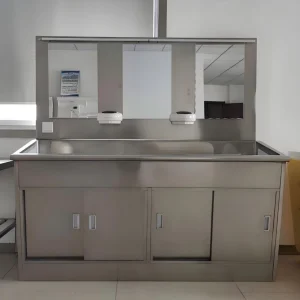
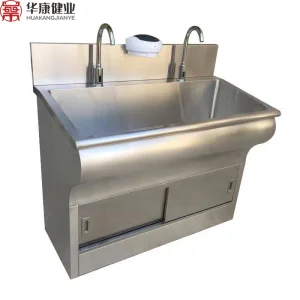
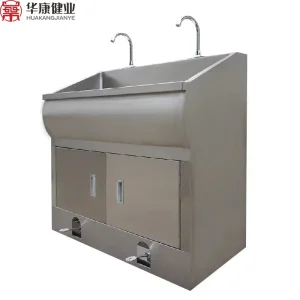
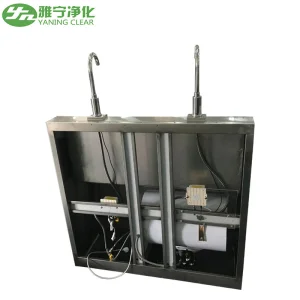
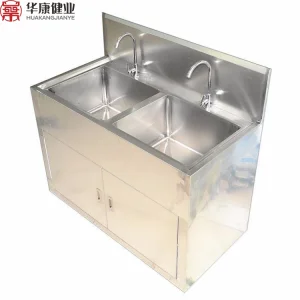
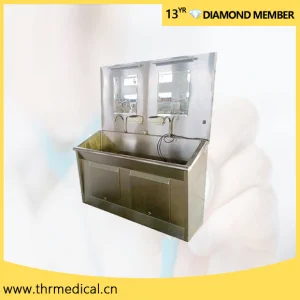
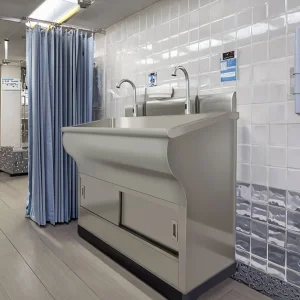
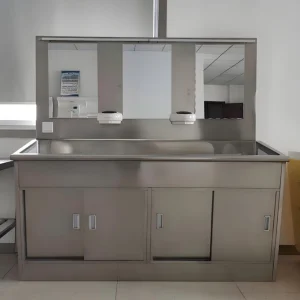
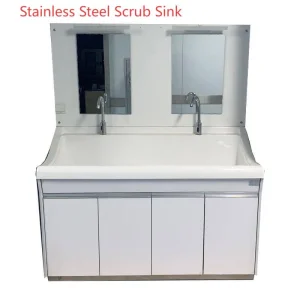
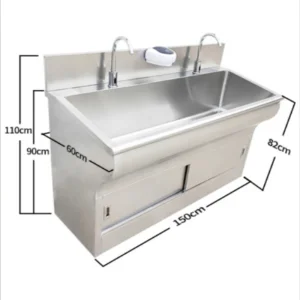
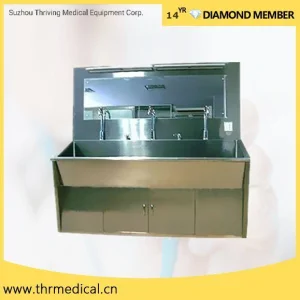
In contemporary surgical units, preventing surgical site infections (SSIs) is a critical priority for healthcare systems globally. In the Republic of Equatorial Guinea—encompassing both the insular Bioko Island region (Malabo) and the continental Río Muni region (Bata)—modern medical facilities are expanding under the national health development framework. Achieving strict clinical asepsis is vital. As leading exporters, we deliver advanced, hospital-grade Surgical Scrub Sinks engineered to meet rigorous international sanitation standards.
Our manufacturing methodologies prioritize raw material purity, touchless actuation, and structural durability. This clinical whitepaper details how Shanghai Emfix Medical Co., Ltd. supports West-Central African healthcare facilities in establishing sterile operating theatre environments. From material selection to logistics and local installation support, we provide an optimized supply chain designed for medical projects.
Equatorial Guinea has invested in upgrading its healthcare landscape through the construction of specialized hospitals, regional clinics, and diagnostic labs in Malabo, Bata, Oyala (Ciudad de la Paz), and Mongomo. This modernization drive has increased the demand for surgical equipment that complies with international standards, such as ISO 13485 and European CE certification.
Operating cleanrooms in Equatorial Guinea presents environmental challenges. The coastal, tropical humid climate of Río Muni and the maritime atmospheric conditions of Bioko Island accelerate oxidation and surface degradation of metal components. Standard stainless steel sinks are prone to micro-pitting and crevice corrosion under high humidity, creating breeding grounds for bacteria like Pseudomonas aeruginosa.
To address this, our surgical scrub stations are fabricated using premium-grade SUS304 or SUS316 stainless steel. They undergo electro-chemical passivation to form an ultra-durable chromium oxide layer that prevents corrosion from saline air, detergents, and chlorinated disinfectants.
A surgical scrub sink is not just a wash basin; it is a clinical device designed to prevent cross-contamination prior to invasive procedures.
Our medical scrub stations feature a seamless, single-piece ergonomic bowl structure. This eliminates internal joints, seams, and right-angled corners that could trap moisture and allow microbial biofilms to develop. The front lip features a drip-preventive return channel, keeping the floor dry to minimize slip hazards and cross-contamination risks.
Dual/Triple Actuation Control Modes: Hospitals in Bata and Malabo can choose from three hands-free configurations: infrared proximity sensors, mechanical knee-push valves, or foot pedal controllers. Dual-redundant configurations (e.g., sensor + foot pedal override) ensure continuous operation in the event of local power fluctuations.
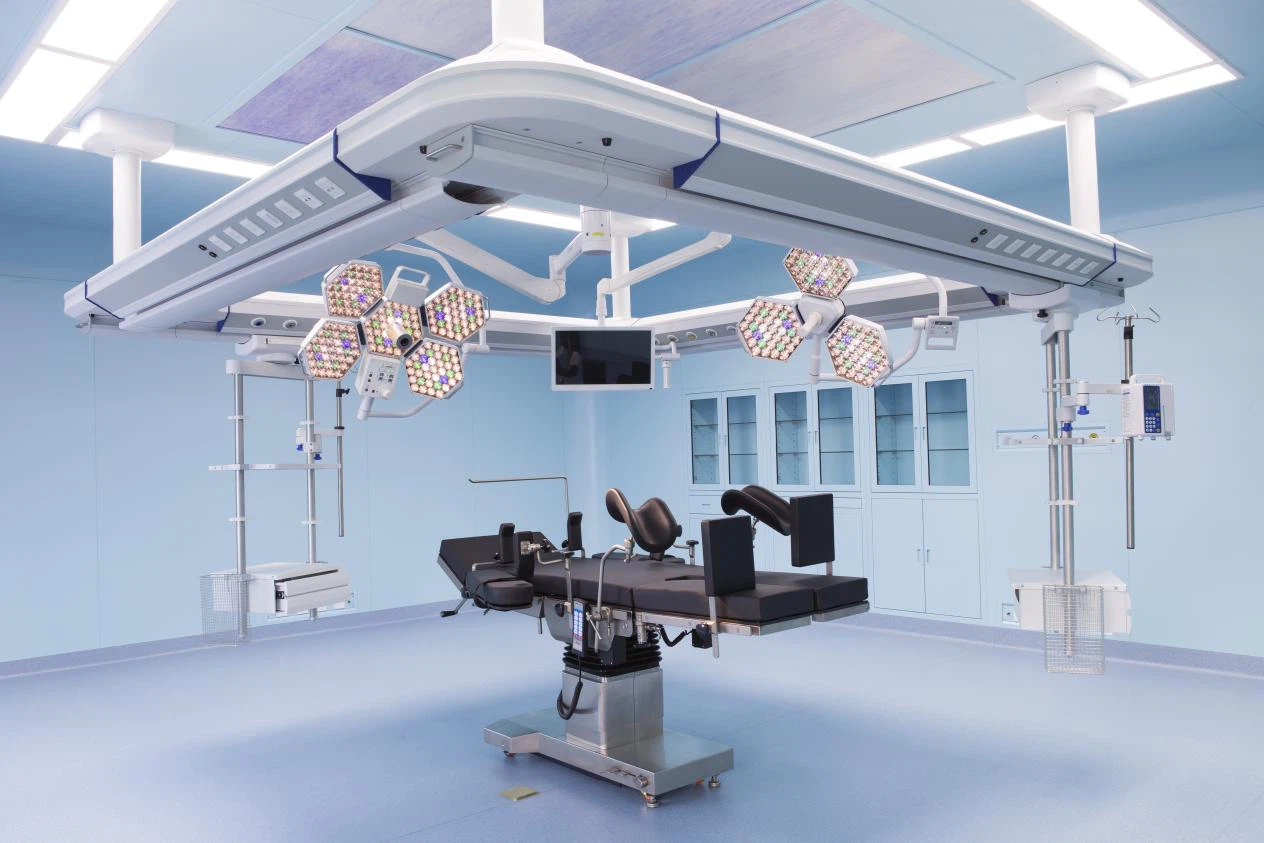
Headquartered in Shanghai, China, often referred to as the "Oriental Paris," Shanghai Emfix Medical Co., Ltd. has been at the forefront of the medical device industry for over 30 years. With a steadfast commitment to innovation and sustainable development, Emfix Medical has consistently evolved since its inception, ensuring high standards in research, manufacturing, and customer service.
With a rich history of more than three decades in the medical instrument industry, Emfix Medical specializes in the manufacturing and development of a wide range of medical devices designed to improve patient care and healthcare efficiency. Our comprehensive product lineup includes:
LED Shadowless Operating Lamps, Examination Lamps, Operating Tables, and Surgical Pendants.
Hospital Beds, Head Bed Panels, Patient Monitors, Air Mattresses, and Oxygen Bags.
Electrosurgical Units, Pneumatic Tourniquets, and specialized clinical scrub assemblies.
These products are well-received in the domestic Chinese market and have a strong presence in international markets. We are recognized as a trusted partner in medical equipment manufacturing worldwide, delivering solutions that meet international regulatory standards.
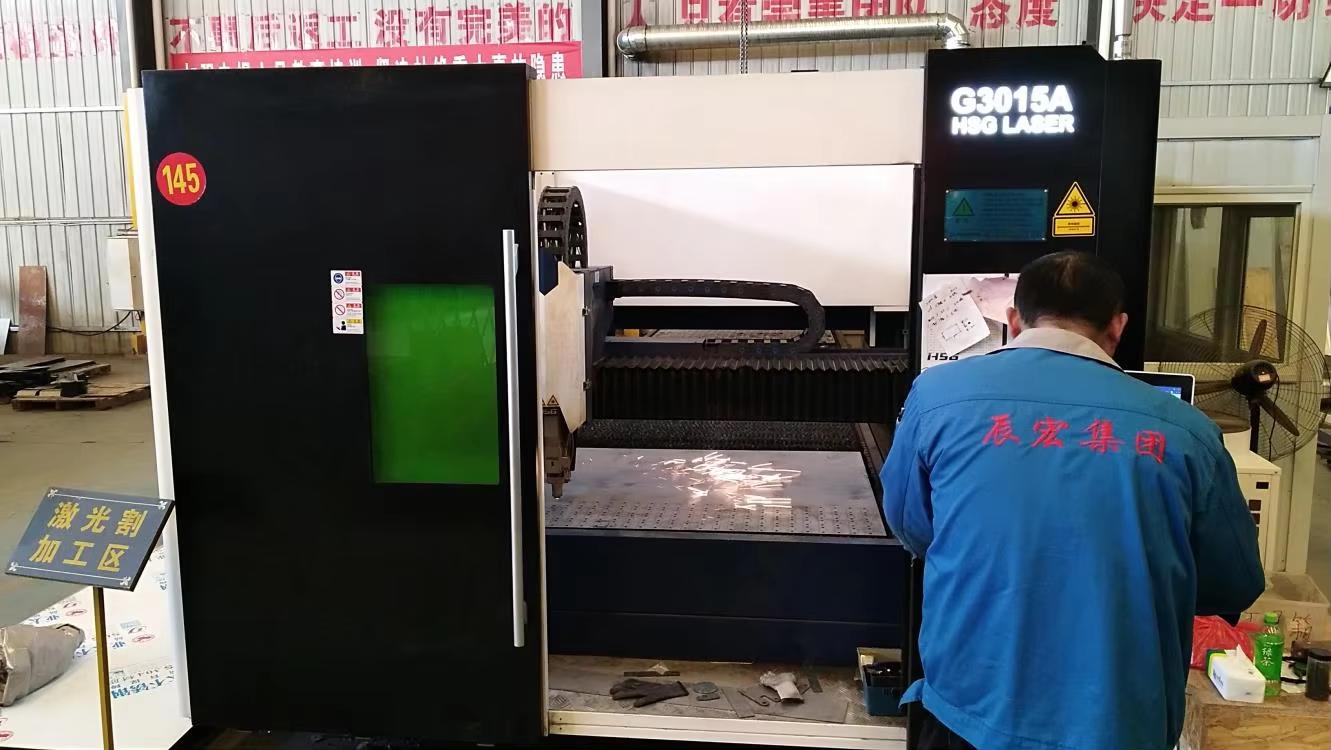
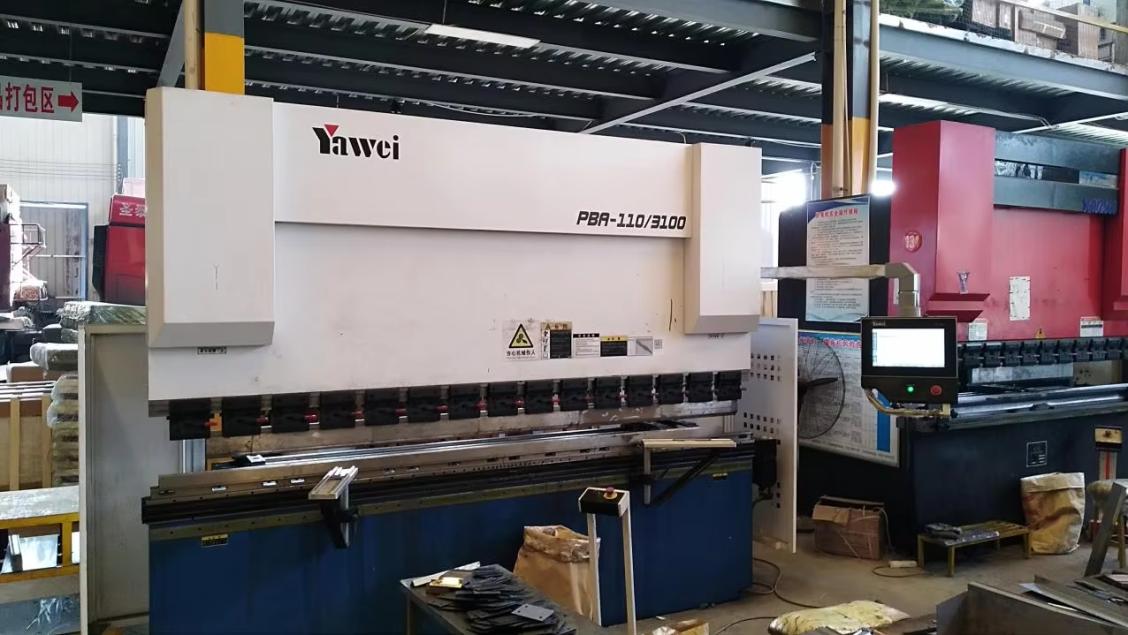
At Emfix Medical, we control every aspect of the production process. We operate three state-of-the-art factories, each focusing on different product lines to maintain quality across all our products. Our factories feature organized, efficient workflows to ensure that each production line is dedicated to precision manufacturing.
Unlike trading intermediaries, we manage the entire product lifecycle from research and development to manufacturing and after-sales service. This vertical integration ensures product quality and reliability. Our mature production chain allows us to maintain strict quality control from the source, delivering products that meet the standards of healthcare professionals.
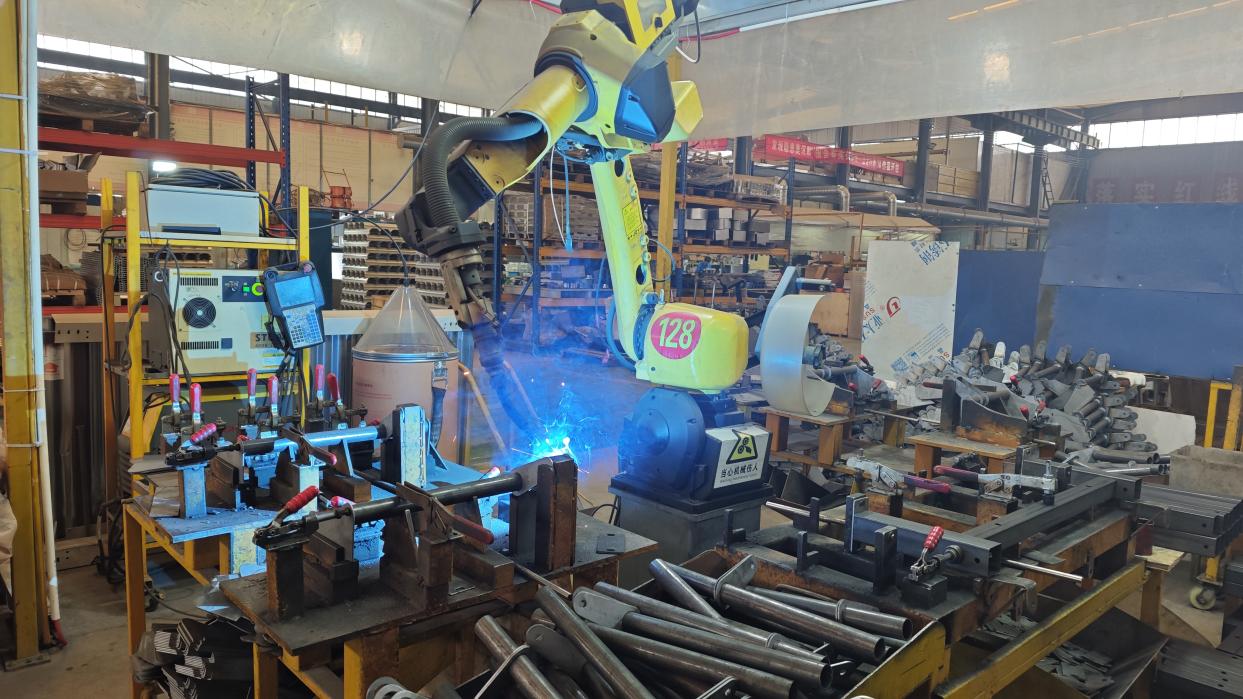
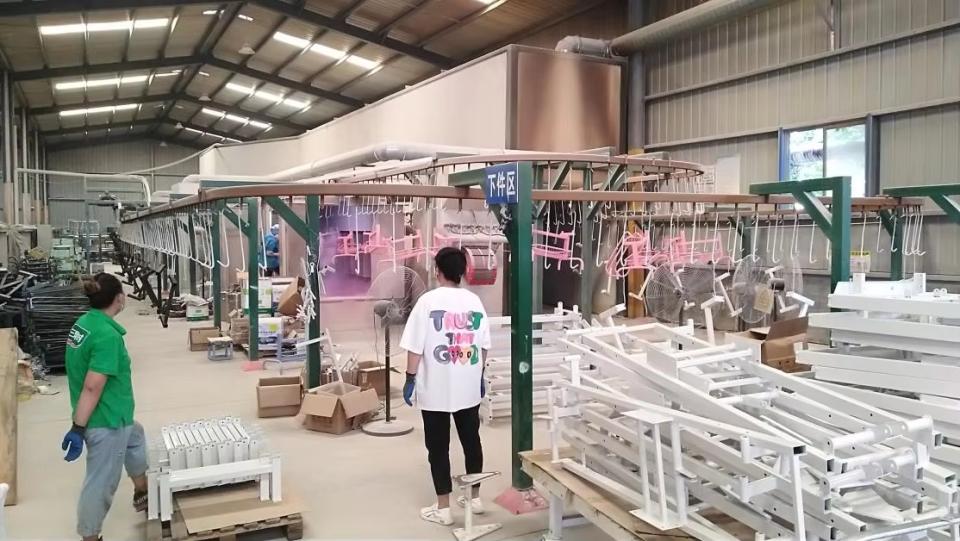
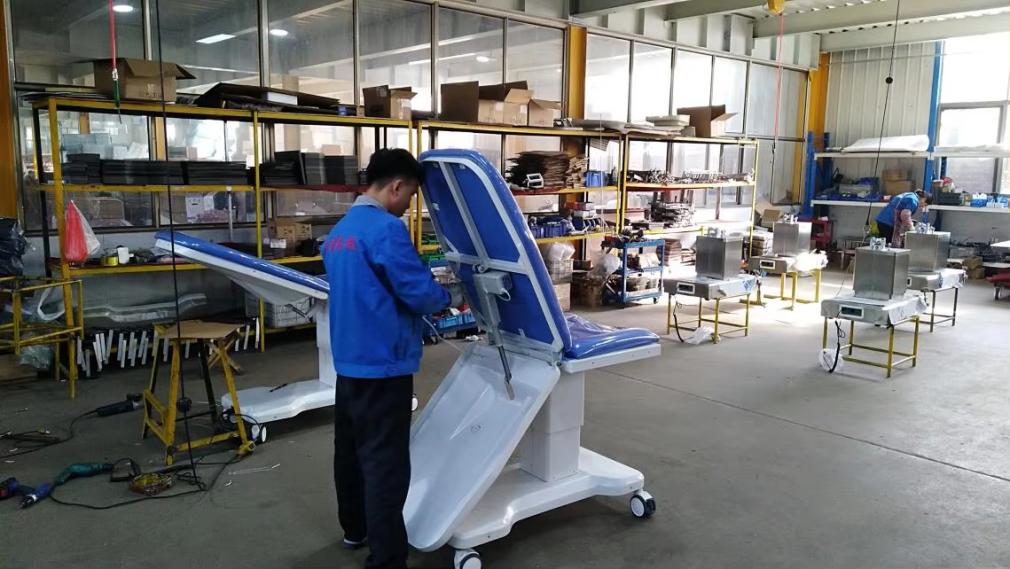
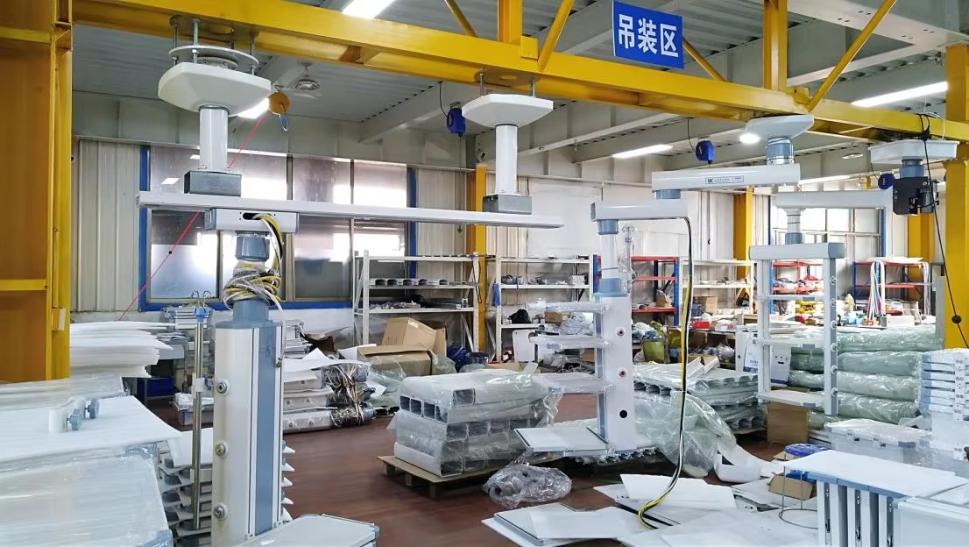
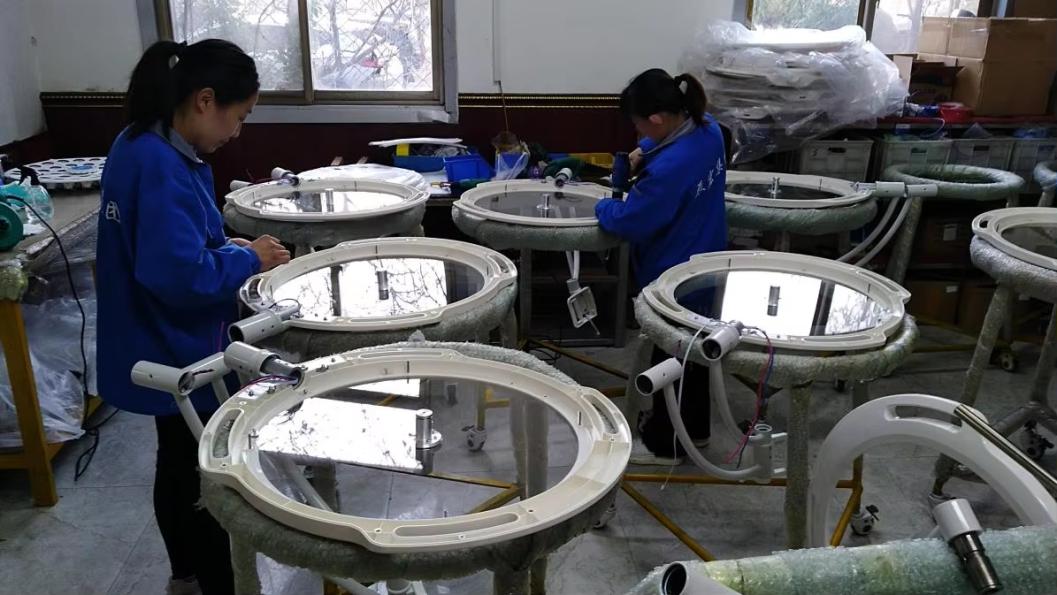
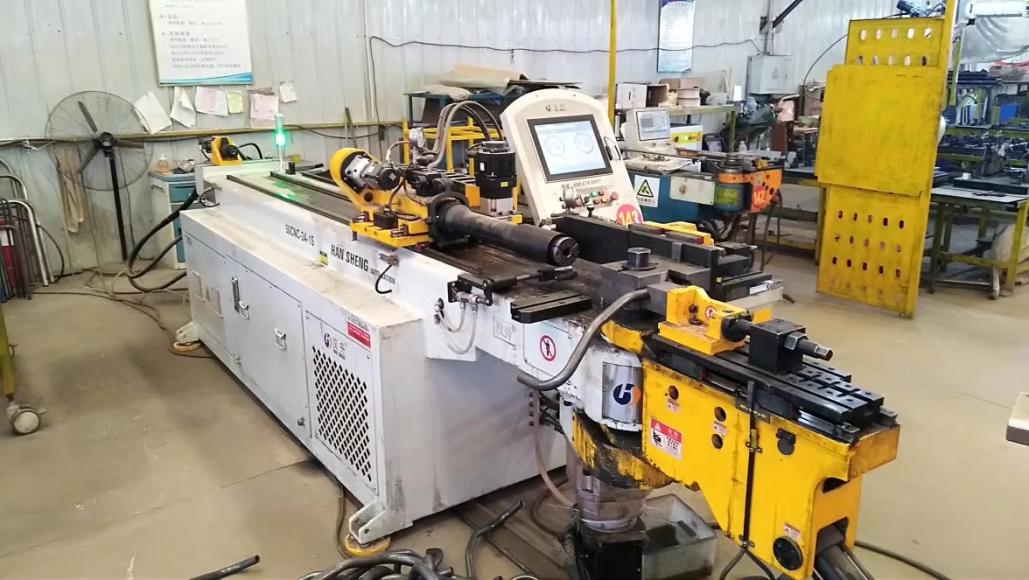
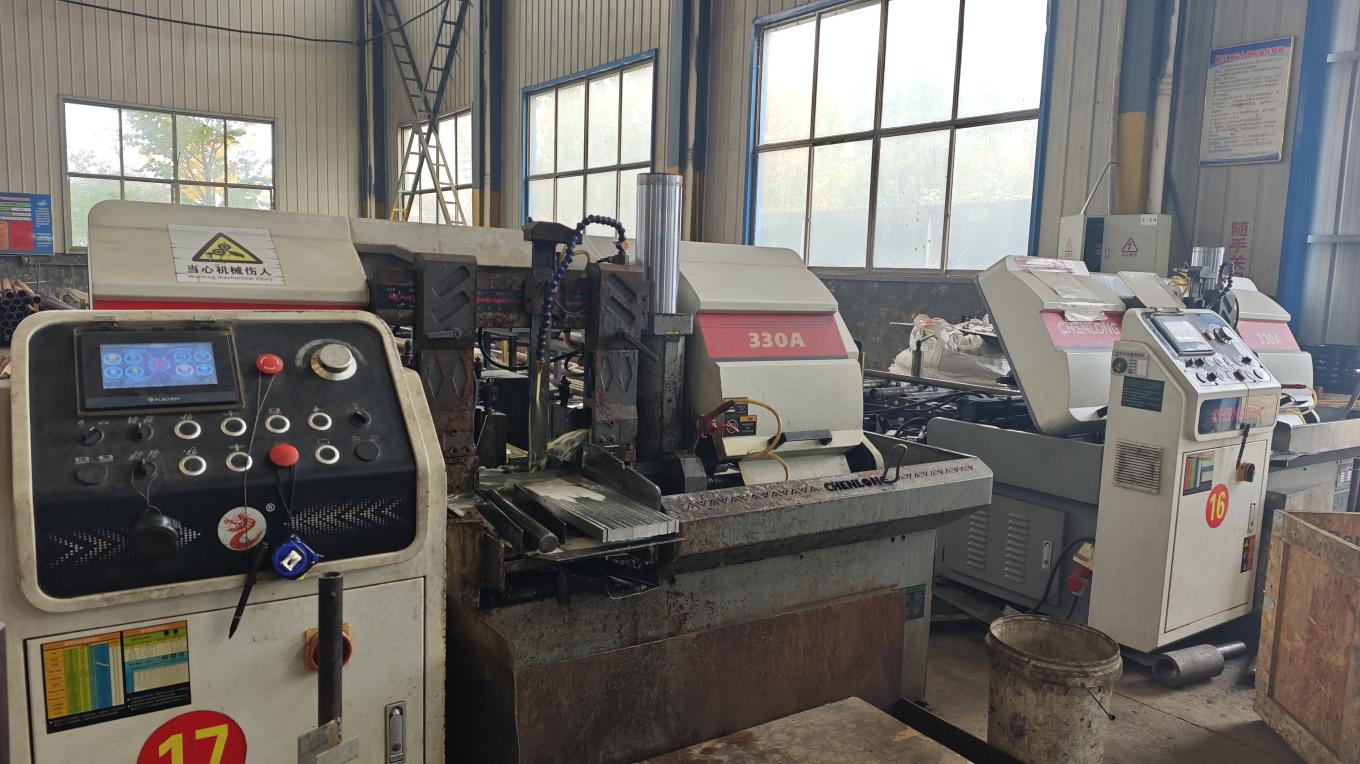
Exporting hospital equipment to West-Central Africa requires strong logistics management, standard compliance, and durable product packaging.
Our manufacturing processes comply with international medical device standards. Emfix Medical holds ISO 13485, CE, FDA, and MDA certifications, and has been recognized as a Class A Enterprise. These credentials help streamline the customs clearance and regulatory validation processes for import projects.
Maritime Transit to Malabo and Bata Ports: We offer shipping options from Shanghai Port, one of the world's most connected maritime hubs. For Equatorial Guinea, we manage routes to Malabo Port and Bata Port. Because maritime transport involves high humidity and salinity, all surgical scrub sinks are packed in vacuum-sealed anti-moisture barrier wraps, lined with silica gel desiccant, and housed in heavy-duty, fumigated plywood crates compliant with ISPM-15.
Compliance Documents Provided: We provide full documentation required for imports to Equatorial Guinea, including Bill of Lading, SGS/BV Inspection certificates (when required), Packing Lists, Commercial Invoices, and Certificates of Origin to ensure smooth customs clearance.
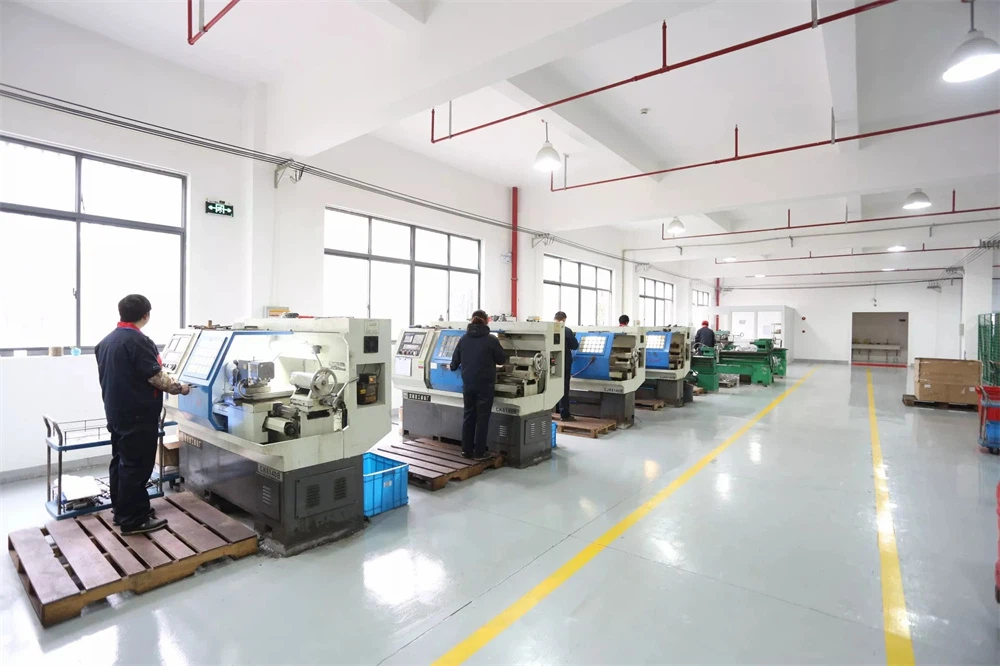
Medical sanitation technology is evolving beyond simple physical barriers. Our product development roadmap focuses on integrating digital tracking and eco-friendly features into the clinical scrub workflow.
IoT Scrub Compliance Integration: Modern operating suites are beginning to track sanitization procedures. We are developing smart scrub stations equipped with LCD panels that display a countdown timer (ensuring compliance with WHO's recommended 3-minute scrub duration) and sync with hospital management networks via Wi-Fi. This records which surgical team members completed the scrub sequence.
Eco-Sustainable Systems: Our latest models feature low-flow aerators that reduce water consumption by up to 30% without sacrificing spray pressure. Integrated thermostatic mixing valves ensure water temperature reaches the target comfort zone quickly, reducing waste.
Installing precision clinical systems in West-Central Africa requires technical adaptability. Our design engineers adapt products for local utility variations:
 Emfix Medical