Upgrading old ICU rooms is a pressing necessity in healthcare. Many facilities face challenges with outdated equipment. These issues can impact patient care and staff efficiency. As technology evolves, addressing how to upgrade old ICU rooms with modern equipment is crucial.
New innovations can enhance monitoring and treatment capabilities. However, this upgrade process requires careful planning and execution. Investing in user-friendly and reliable devices is vital. Staff must be trained to use new technology effectively. Financial constraints can also hinder progress, making it important to prioritize needs.
Maintenance of modern equipment is another significant consideration. Regular checks ensure functionality and prevent interruptions in service. Balancing these factors can lead to better patient outcomes and a safer environment. Embracing change in the ICU is tough yet essential for quality healthcare.
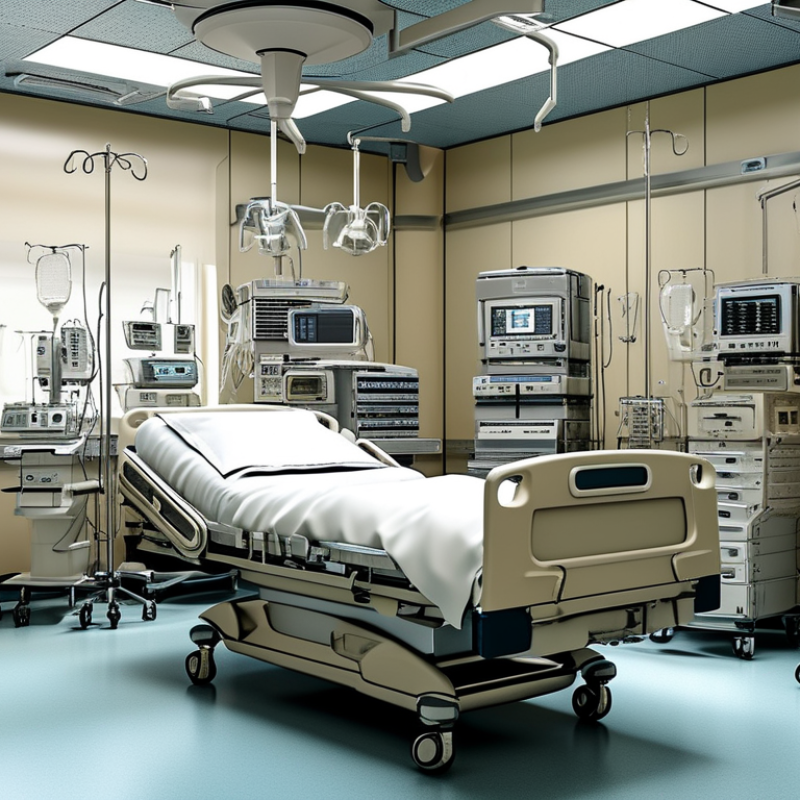
Assessing the current state of ICU rooms and equipment is crucial for effective healthcare delivery. Many facilities struggle with outdated technology that can hinder patient care. A recent report from the World Health Organization highlighted that over 40% of medical equipment in use globally is more than ten years old. This includes essential ICU equipment like ventilators and monitoring systems. Aging devices may lack the advanced features required for proper patient management.
In addition, the physical layout of ICU rooms often reflects poor design. A study from the Journal of Critical Care found that inefficient space utilization can increase infection rates and limit caregiver efficiency. Enhanced layouts with newer equipment can lead to better patient outcomes. However, funding for upgrades is a persistent challenge. Many hospitals operate on tight budgets, forcing them to delay necessary renovations.
Engagement with healthcare design experts is vital in addressing these shortcomings. They provide insights on optimizing space and integrating modern technology. Yet, choosing the right equipment remains a complex task. Healthcare providers must weigh cost against functionality, balancing immediate needs and long-term goals. Upgrading ICU rooms is not merely an expense; it's an investment in improved patient safety and care quality.
Upgrading old ICU rooms with modern medical equipment is essential for patient care. Start by identifying the critical equipment that enhances monitoring and treatment. Essential items include advanced patient monitors. These devices track vital signs in real-time. They provide alerts for any anomalies, ensuring immediate response.
Consider integrating ventilators that support various patient needs. Modern ventilators are more efficient and user-friendly. They adapt to different patient conditions, improving overall care. Infusion pumps should also be on the list, allowing precise medication administration. Ensure that these devices are compatible with hospital networks for data sharing.
Investing in telemedicine tools can expand care capabilities. They facilitate remote consultations, enhancing the reach of healthcare services. Despite the benefits, challenges in training staff and integrating new technology can arise. Regular reviews of equipment usage and staff feedback are crucial. This process helps in effectively meeting the evolving needs of ICU environments.
Upgrading old ICU rooms requires careful planning and design. Creating modern spaces involves understanding the latest equipment and patient needs. Collaboration with healthcare professionals ensures the design is both functional and safe. Engage teams that include architects and medical staff early. Their insights guide the planning process effectively.
Tips: Consider patient flow when redesigning the layout. Efficient movement reduces stress for both staff and patients. Optimize visibility too. Equipment should be accessible but not cluttered. Thoughtful placement can improve response times in critical situations.
When integrating advanced technology, keep usability in mind. Staff training is essential for smooth operation. Review processes regularly to identify areas for improvement or adjustments. Not every upgrade will be successful on the first attempt. Be open to feedback. Customizing spaces based on real experiences leads to better outcomes.
Modernizing old ICU rooms requires careful planning and strategic implementation of technology. Integrating advanced medical equipment into these spaces can dramatically enhance patient care. For instance, real-time monitoring systems can provide continuous data on vital signs. This data helps medical staff make timely decisions.
The design of the ICU should also facilitate easy access to technology. Equipment should be positioned for optimal usability. Wall-mounted displays can present critical information without cluttering the workspace. However, staff training on new technology remains a challenge. Rushed implementations can lead to confusion and errors.
Furthermore, patient comfort should not be overlooked. New equipment often emphasizes efficiency, but the emotional needs of patients are just as crucial. A sterile environment may intimidate patients. Combining modern technology with thoughtful design can create a more healing space. This balance is essential but often difficult to achieve, requiring ongoing assessment and adjustments.
| Equipment Type | Benefits | Cost Estimate ($) | Implementation Timeframe (Months) |
|---|---|---|---|
| Smart Ventilators | Enhanced patient monitoring and adaptive ventilation | 25,000 | 3 |
| Electronic Patient Monitoring Systems | Real-time data access and improved response time | 15,000 | 2 |
| Automated Medication Dispensing Systems | Increased medication safety and accuracy | 20,000 | 4 |
| Telemedicine Solutions | Remote consultations and increased accessibility | 10,000 | 1 |
| Wearable Health Tech for Patients | Continuous health data and proactive care | 5,000 | 2 |
Training staff on new medical equipment is essential for improving patient care. Introducing modern technology in ICU rooms requires a tailor-made training program.
Training sessions should focus on hands-on practice, allowing staff to become familiar with the devices. Engaging the team in real-life scenarios helps build confidence and competence in using new tools. This approach turns equipment into a valuable asset rather than a source of stress.
Protocols must also be updated alongside equipment training. Staff need clear, accessible guidelines for new procedures. Creating easy-to-follow checklists can enhance adherence to protocols. Regular refreshers and feedback sessions promote a culture of continuous learning. Yet, some staff may resist change. Addressing their concerns is crucial. Open communication encourages collaboration and fosters a healthy environment for growth.
Evaluate training outcomes continuously. Monitor how effectively staff apply new skills in daily operations. Some may struggle during the initial phase. It’s important to identify areas needing extra support. Creating a feedback loop ensures ongoing improvement. Investing in staff training guarantees that the transition to modern equipment enhances patient care and staff confidence together.
: Careful planning and design are essential for successful upgrades.
Efficient movement reduces stress for both staff and patients.
Engaging architects and medical staff ensures the design is functional and safe.
Advanced technology enhances patient care and provides real-time monitoring of vital signs.
Training helps ensure staff can use new technology effectively, reducing confusion.
Clear guidelines and hands-on practice are essential for effective training.
Staff may resist change and struggle to adapt initially.
Continuous feedback helps identify areas needing support and encourages learning.
Balancing efficiency with emotional needs is vital for a healing environment.
Monitor how staff applies new skills in daily operations for ongoing improvement.
To address the question of "How to upgrade old ICU rooms with modern equipment?", a systematic approach is essential. First, a comprehensive assessment of the current state of ICU rooms and equipment must be conducted to identify outdated features and areas for improvement. Once the assessment is complete, the next step involves identifying essential modern medical equipment that can enhance patient care, such as advanced monitoring systems, ventilators, and telemedicine tools.
Planning and designing upgraded ICU spaces should follow best practices that prioritize patient comfort, staff workflow, and infection control. Implementing technology integration is also crucial, ensuring that all new systems work cohesively for improved efficiency. Finally, training staff on the new equipment and protocols is vital to maximize the benefits of the upgrades, ultimately enhancing care delivery in the ICU environment.

Emfix Medical