A medical pendant arm is more than a ceiling-mounted support. It carries monitors, infusion pumps, gas outlets, electrical equipment, and sometimes surgical accessories above a busy clinical workspace. Its joints, brakes, bearings, cables, and mounting structure must remain stable under changing loads. A slow downward drift, stiff rotation, unusual clicking, or a damaged gas hose can signal a developing safety problem.
The World Health Organization reports that approximately one in ten patients experiences harm during healthcare delivery. It also estimates that more than half of this harm is preventable. These figures place equipment inspection within the wider patient-safety conversation. ECRI’s health technology guidance similarly emphasizes planned maintenance, staff training, and rapid reporting of device hazards. IEC 60601-1 and ISO 14971 also support a risk-based approach, although compliance does not replace practical inspection.
Safety scholar James Reason wrote, “We cannot change the human condition, but we can change the conditions under which humans work.” That principle fits this subject closely. A clear process can reduce rushed adjustments beside a patient. This guide examines How to troubleshoot common medical pendant arm issues? It covers arm drift, brake failure, collision damage, abnormal noise, loose joints, and gas or electrical faults. Start with isolation and visual checks. Do not force a locked arm or bypass a brake. Document the symptom, load, position, and recent service history. No checklist is perfect. A technician may still miss an internal fault. Therefore, recurring symptoms require qualified biomedical engineering assessment, manufacturer guidance, and documented verification before clinical use resumes.
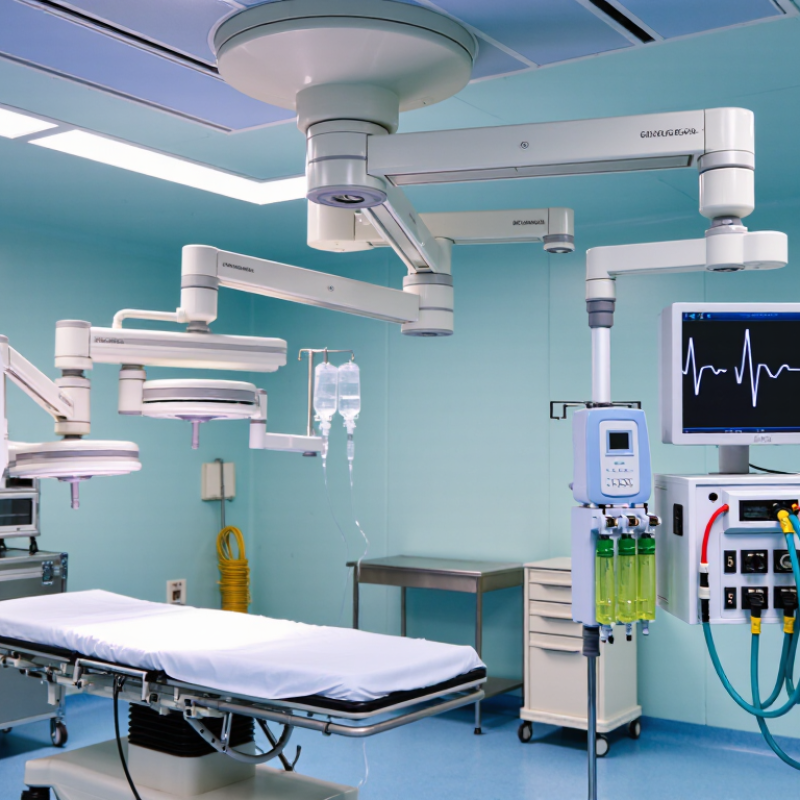
A medical pendant arm is a ceiling-mounted support system used in operating rooms, intensive care units, and procedure areas. Its articulated arm positions a service head near the patient without blocking staff movement. Core components include the ceiling mount, rotating joints, braking system, service head, medical-gas terminals, electrical outlets, data ports, and cable-management channels.
The arm carries monitors, infusion pumps, suction equipment, and other approved devices. It can improve access to oxygen, compressed air, power, and information systems. In an operating room, staff may swing the pendant toward the anesthesia area, then move it away during equipment transfer. In intensive care, accurate positioning can reduce cable tension and unnecessary bedside clutter. Small details matter. A loose cable can affect both safety and workflow.
Common problems include arm drift, stiff movement, unusual noise, damaged covers, and loose accessories. Do not force a resistant joint or exceed the specified load. Remove unnecessary equipment, check for visible obstruction, and confirm that brakes engage correctly. Medical-gas connections require qualified biomedical or facilities personnel, because a small leak can create a serious clinical risk. Electrical faults should also be isolated and tested by authorized technicians.
No installation performs perfectly forever. I have found that routine inspection is often more valuable than a quick adjustment. However, visual checks cannot replace scheduled maintenance, documented load testing, and compliance with local clinical engineering procedures. Always use the equipment’s service instructions and risk assessment.
A medical pendant arm is a ceiling-mounted support system for monitors, infusion pumps, gas outlets, and other clinical equipment. Many models support 50–200 kg, depending on their structure, mounting method, and movement range. This capacity is not simply a number on a specification sheet. A fully extended arm creates greater leverage on the ceiling plate and internal bearings. Dynamic movement can also increase the load briefly.
Safe performance begins with accurate installation and balanced equipment placement. Qualified technicians should verify ceiling strength, anchor bolts, arm alignment, and rated load limits. During routine checks, watch for drifting arms, unusual resistance, loose joints, damaged cables, or unstable shelves. A drifting arm may indicate brake wear, uneven loading, or incorrect adjustment. Never add counterweights casually. Remove unnecessary equipment, isolate the arm if movement becomes unsafe, and request inspection by trained biomedical or maintenance personnel. Do not improvise.
Tips: Keep heavier devices close to the main column. Distribute weight across both sides when possible. Move the arm slowly, especially near its end position. Check fasteners and cable routes during scheduled maintenance. A simple weight record can reveal gradual overload before failure. Small details matter. In practice, staff may forget one accessory or temporary device. That oversight deserves attention, not blame. Load limits should be reviewed whenever equipment changes.
A medical pendant arm carries monitors, lights, gas outlets, cables, and sometimes infusion equipment. Its failure can begin with a small movement: a sagging joint, a cracked cover, or unusual resistance during repositioning. IEC 60601-1 requires manufacturers and service teams to address mechanical hazards, electrical shock protection, stability, and abnormal operation. However, the standard does not provide one universal pendant load limit. The approved rating must come from the manufacturer’s technical documentation and risk assessment.
Load checks should include every attached item, not only the main device. Add accessories, cable weight, extension trays, and possible pull forces. Test the arm through its full working range. Inspect brakes, pivots, ceiling plates, fasteners, and cable paths. A static load test may pass while a moving arm creates excessive torque. That is an easy gap to miss. The FDA’s MAUDE database recorded more than two million medical-device reports in 2023, although it does not isolate pendant arms. ECRI’s 2024 health technology report also highlights inspection and maintenance weaknesses as recurring safety concerns.
Tips: Keep a signed load calculation near the installation record. Verify protective earth, leakage current, and dielectric strength after electrical service. Record brake-slip distance and unusual noise during movement. Recheck the arm after relocation or accessory changes. A checklist helps, but it cannot replace a hands-on inspection. Small errors remain possible. Do not exceed the lowest rated component in the complete assembly.
What Is a Medical Pendant Arm and How to Fix Common Issues?
A medical pendant arm supports equipment, cables, and utility connections above a treatment area. Its joints must move smoothly but remain stable under load. If the arm drifts after positioning, stop using it and remove unnecessary equipment. Drift often indicates a worn brake, incorrect friction setting, or uneven loading. A trained technician should inspect the brake assembly and verify the arm’s rated capacity. Do not tighten random screws. That can hide the fault and damage the joint.
Stiff joints usually result from contamination, over-tightened friction controls, or internal wear. Wipe exposed surfaces with an approved cleaning solution, then move the joint gently through its normal range. Never force it. If movement remains rough, a service professional should check bearings, fasteners, and cable routing. In practice, I have seen users blame the joint when a trapped cable caused the resistance. That mistake is easy to repeat.
Brake faults require extra caution. A brake that slips, releases late, or fails to hold can create a serious collision risk. Isolate the pendant from clinical use and arrange qualified maintenance. For unusual noise, listen for clicking, grinding, or air leakage. Clicking may come from a loose cover, while grinding can suggest bearing damage. Pneumatic systems may hiss when seals deteriorate. I once underestimated a faint sound; the problem later became more expensive. Record when the noise appears, including the arm position and attached load. This detail helps technicians diagnose the system accurately.
The chart compares practical inspection priorities for four frequently encountered pendant-arm problems. Higher values indicate a greater need for prompt inspection and corrective action.
Drift may indicate inadequate friction adjustment, joint wear, or an unbalanced load. Stiff joints are commonly checked for contamination, over-tightening, and damaged bearings. Brake faults require immediate inspection of the brake mechanism, control circuit, and power supply. Noise can result from worn bearings, loose covers, cable interference, or insufficient lubrication where permitted by the equipment service instructions.
A medical pendant arm supports equipment, gas outlets, electrical lines, and monitoring devices above a treatment area. Its arm may rotate, extend, or lock into position. During each shift, staff should check for unusual movement, loose covers, damaged cables, gas leaks, and drifting arms. A pendant that slowly drops or swings may have a worn brake, overloaded accessory rail, or internal joint problem.
Rotation limits deserve special attention. Not every arm is designed for a full 360-degree turn. Mechanical stops protect hoses, ceiling connections, and internal wiring. Never force the arm past its stop, even when the movement feels stiff. Follow the installation manual and facility procedure because limits differ by model and configuration. A qualified technician should inspect the pendant at the interval specified by the manufacturer and facility risk assessment. Annual service is common, but it may not suit every environment. Call sooner after a collision, abnormal noise, gas odor, visible damage, or repeated position drift.
Tips: Mark the normal parked position with a small label. Keep a simple log of rotation, brake response, and cable condition. Do not repair internal parts during clinical use. Staff often notice problems early, but a rushed check can miss a small crack. That matters. Record the symptom, load, and arm position before requesting service. Technicians can then test torque, stops, brakes, fasteners, and ceiling connections more accurately. A minor wobble should not be ignored, even if the pendant still functions.
| System Area | Purpose | Common Issue | Safe User-Level Check | When to Call a Qualified Technician | Typical Inspection Guidance | Rotation and Movement Limits |
|---|---|---|---|---|---|---|
| Pendant Arm and Joints | Supports the pendant body and allows it to be positioned near the patient or procedure area. | Arm feels stiff, drifts from position, makes unusual noise, or does not move smoothly. |
|
Service Required Call a technician if the arm drifts, binds, has damaged joints, or requires unusual force. Do not adjust internal counterbalance or friction mechanisms unless authorized. |
Visual checks before use; documented preventive maintenance at the interval specified by the facility and equipment manufacturer. A qualified service inspection is commonly performed at least annually or more often in high-use areas. | Many systems use mechanical stops or defined travel ranges. A full 360° rotation is not universal. Never force the arm beyond its designed stop or repeatedly rotate it to wrap cables and hoses. |
| Ceiling Mount and Structural Interface | Transfers the pendant load to the building structure and maintains alignment. | Visible movement at the ceiling, cracking around the mount, vibration, or a tilted pendant. |
|
Immediate Service Remove the pendant from service when structural movement, loose mounting hardware, impact damage, or ceiling damage is observed. |
Visual inspection during routine rounds and after any collision, renovation, seismic event, or unusual vibration. Structural repairs require appropriately qualified personnel. | Rotation must remain within the installed system’s mechanical limits. A 360° claim should never be assumed to apply after installation near walls, booms, lights, or other equipment. |
| Medical Gas Outlets and Hoses | Provide connections for gases such as oxygen, medical air, and vacuum, depending on the installation. | Hissing sound, odor, damaged hose, loose connection, poor gas flow, or an outlet that will not connect correctly. |
|
Immediate Service Stop use and follow the facility’s medical-gas emergency procedure for suspected leakage, incorrect gas identification, damaged fittings, or abnormal pressure. |
Medical-gas systems require scheduled testing and maintenance under applicable healthcare standards, local regulations, and facility procedures. Testing should be performed by qualified personnel. | Hoses and gas lines must not be stretched, sharply bent, twisted, or wrapped around the arm. Rotation limits protect the hoses from torsion and accidental disconnection. |
| Electrical Sockets and Data Connections | Supply power and, where installed, network or communication connections for clinical equipment. | Intermittent power, loose socket, damaged faceplate, tripped protective device, or exposed wiring. |
|
Immediate Service Disconnect equipment and report sparks, heat, burning odor, exposed conductors, repeated trips, or fluid contamination. |
Electrical safety testing should follow the facility risk assessment, local electrical requirements, and the maintenance schedule for the installed system. | Do not rotate the pendant while cables are taut. The permitted movement may be less than 360° when power, data, gas, or accessory cables are connected. |
| Brakes, Locks, and Positioning Controls | Hold the pendant in a selected position and prevent unintended movement. | Pendant moves after the brake is applied, controls do not respond, or the arm releases suddenly. |
|
Immediate Service Call a technician for brake failure, uncontrolled movement, delayed stopping, or a control that operates intermittently. |
Functional checks should be included in pre-use checks and preventive maintenance. Brake performance should be tested after repair, impact, overload, or abnormal movement. | Brakes do not increase the permitted rotation range. Do not use excessive force to overcome a locked position or mechanical stop. |
| Equipment Rail and Accessory Load | Supports shelves, infusion devices, monitors, baskets, and other approved accessories. | Rail clamp slips, accessory tilts, shelf flexes, or the pendant becomes difficult to move. |
|
Service Required Request inspection after overloading, a dropped accessory, rail deformation, or persistent drift. |
Check accessories before each use; perform documented load and attachment inspections according to the installed system’s instructions and facility policy. | Maximum load and reach affect movement. Do not exceed the rated load, and do not use a long accessory or side load to force the pendant through a 360° rotation. |
| Cable and Hose Management | Routes power cables, data leads, and medical-gas hoses safely through the pendant and arm. | Cable snagging, hose twisting, connector strain, or a cable that becomes tight during rotation. |
|
Service Required Call a technician for internal cable damage, repeated tangling, damaged strain relief, or suspected hose torsion. |
Visual inspection before use and after repositioning. Detailed internal routing checks should be completed during preventive maintenance by qualified personnel. | Rotation is limited by cable and hose length, internal routing, swivel design, and mechanical stops. Unless the documentation specifically permits continuous rotation, treat the system as having a restricted rotation range. |
| Cleaning and Infection-Control Surfaces | Provides cleanable surfaces in a clinical environment. | Residue, cracked covers, damaged seals, or fluid entering controls and connectors. |
|
Service Required Report cracked housings, failed seals, corrosion, fluid ingress, or surfaces that cannot be adequately cleaned. |
Clean between patients or procedures according to infection-control policy. Inspect surfaces during routine cleaning and preventive maintenance. | Cleaning does not change the rotation limit. Avoid pulling or rotating the pendant by attached hoses, cables, shelves, or accessories. |
| Rotation Limit and Stop Mechanism | Controls the safe angular travel of the pendant and prevents cable wrap, collisions, or overextension. | Pendant stops earlier than expected, rotates beyond a familiar position, or contacts nearby equipment. |
|
Immediate Service Call a technician if the stop is missing, damaged, loose, or inconsistent, or if the pendant can rotate continuously when the installation is not designed for it. |
Verify stops and travel during commissioning, after relocation or repair, after impact, and during scheduled preventive maintenance. | “360° rotation” means a complete circle only when explicitly specified for that particular configuration. Many pendant arms have less than 360° travel or use a limited-angle swivel to protect services. Follow the exact documented limit. |
| Emergency Stop or Isolation Procedure | Allows the affected service or equipment to be made safe during a fault. | Unclear isolation point, alarm condition, active gas leak, electrical fault, or uncontrolled movement. |
|
Immediate Service Escalate immediately for patient-safety risk, gas leakage, smoke, electrical arcing, structural instability, or loss of essential clinical services. |
Emergency procedures should be reviewed during staff training and included in the facility’s medical-equipment management program. | Emergency isolation does not authorize movement beyond the normal travel range. Keep the pendant stationary until the cause has been assessed. |
The approved load comes from technical documentation and risk assessment. Include monitors, lights, trays, cables, and infusion equipment. Use the lowest-rated component.
A static test may pass while movement creates excessive torque. Test the arm across its full working range. Small gaps matter.
Inspect brakes, pivots, ceiling plates, fasteners, cable paths, and attachment points. Look for sagging joints, cracked covers, loose hardware, and unusual resistance.
Verify protective earth, leakage current, and dielectric strength after electrical servicing. Record the results with the installation documents. Do not rely on memory.
Staff should check it during every shift. Watch for drifting, damaged cables, loose covers, gas leaks, and unusual movement. A quick check can miss a tiny crack.
Request service after a collision, abnormal noise, visible damage, gas odor, or repeated position drift. Call sooner when the arm slowly drops or swings. That symptom matters.
No. Rotation limits vary by design and configuration. Mechanical stops protect hoses, wiring, and ceiling connections. Never force the arm past its stop.
Record the symptom, attached load, arm position, brake response, rotation, and cable condition. A simple log helps technicians test torque, stops, brakes, and fasteners. Records can still be imperfect.
A medical pendant arm is a ceiling-mounted support system designed to position essential clinical equipment within easy reach while keeping floors and work areas organized. Its main components may include a mounting structure, articulated arm, joints, bearings, brakes, cable management, and equipment interfaces. Depending on its configuration, the arm can safely support approximately 50–200 kg when properly engineered, installed, and tested. Safe operation requires appropriate load-rating verification, stability checks, and compliance with relevant IEC 60601-1 electrical and mechanical safety principles.
How to troubleshoot common medical pendant arm issues? Start by checking whether drifting is caused by uneven loading, loose joints, or incorrect brake adjustment. Stiff movement may result from excessive friction, damaged bearings, or insufficient maintenance, while brake faults require the system to be removed from service until inspected. Unusual noise can indicate wear, loose fasteners, or mechanical misalignment. Regular inspections should follow the manufacturer’s maintenance schedule, with special attention to load limits, cable condition, fasteners, and 360° rotation restrictions. A qualified technician should handle persistent faults, structural damage, or any safety-related concern.

Emfix Medical