Ceiling-mounted medical pendants play a crucial role in modern healthcare settings. Designed to enhance efficiency and organization, these devices assist healthcare professionals in delivering patient care. What are the benefits of ceiling-mounted medical pendants? Their advantages extend beyond mere convenience.
These pendants improve accessibility to medical equipment and utilities. By reducing clutter, they create a cleaner environment, which is vital in patient care areas. They also allow for better space utilization. This versatility enables staff to move freely, catering to patient needs effectively. Each pendant can be tailored with specific features, adding to its flexibility in various medical situations.
However, it’s essential to consider potential drawbacks. Installation complexity and initial costs may deter some facilities. Ensuring proper training for staff is also crucial for maximizing efficiency. Overall, ceiling-mounted medical pendants offer numerous benefits, but like any system, they require thoughtful implementation and ongoing assessment.
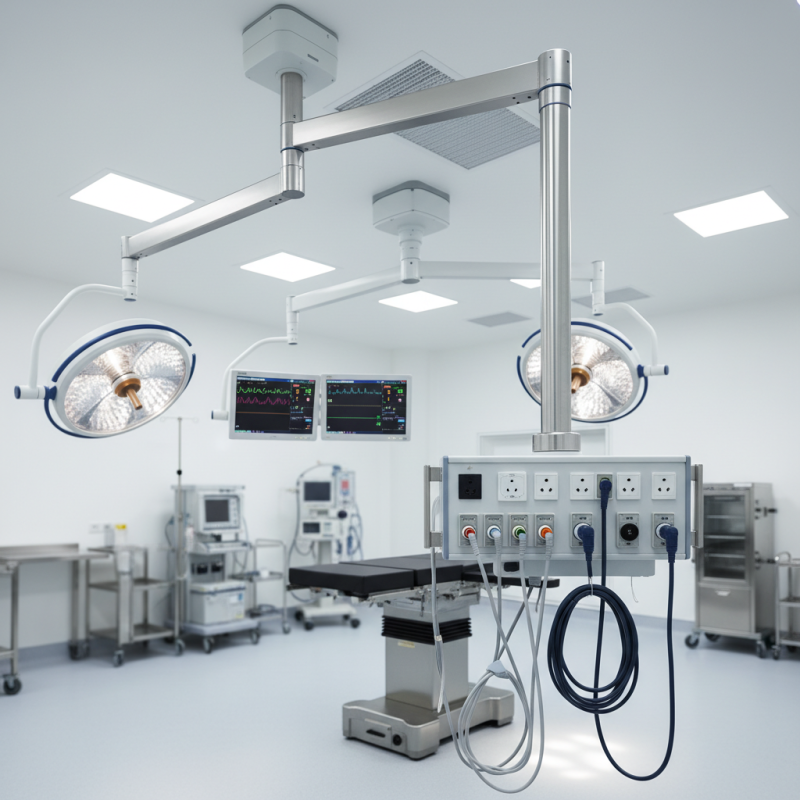
Benefits of Enhanced Space Utilization in Healthcare Facilities
Ceiling mounted medical pendants are revolutionizing space utilization in healthcare facilities. They provide essential support for medical equipment and technology without crowding the floor space. This design allows for more efficient room layouts, crucial in high-pressure environments like operating rooms and intensive care units. According to a report from the American Institute of Architects, optimized space can lead to better workflows and increased staff efficiency, showcasing a 25% improvement in care delivery time.
The flexible nature of these pendants enhances accessibility. Medical staff can easily reach essential tools and equipment, minimizing movement and reducing fatigue. A study by health facility planners noted that a well-designed layout can increase patient turnover by 30%. This figure is significant, especially during peak times when every minute counts. However, as hospitals continue to adapt to new technologies, some facilities struggle with the retrofitting of existing infrastructure.
Though the benefits are clear, challenges remain. Not all healthcare environments can accommodate the necessary structural changes for these pendants. Hospitals must weigh the costs and practicalities. It is essential to consider both the potential gains and the logistical hurdles. Balancing innovation with feasibility requires meticulous planning and expert input.
10 Key Benefits of Ceiling Mounted Medical Pendants
Improved Workflow Efficiency Through Ceiling Mounted Medical Pendants
Ceiling mounted medical pendants significantly enhance workflow efficiency in healthcare settings. These devices integrate electrical and medical gas supplies, reducing clutter on the floor. Hospitals report up to a 30% decrease in staff trips to supply areas, which minimizes workflow interruptions. A study from the American Journal of Nursing highlights that streamlined access to medical tools leads to faster decision-making and improved patient care.
When implementing ceiling mounted pendants, consider these tips for maximizing their benefits. Position them strategically above workspaces where procedures occur often. Ensure that staff undergo proper training to utilize their functionalities fully. Regularly reassess pendant placements based on evolving departmental needs.
The adaptability of these pendants allows for customization. Over time, hospitals evolve, and so do their needs. Sometimes, the initial placements may not be ideal as team dynamics change. Gathering feedback from staff can identify these gaps and enhance utility, ensuring that the pendants remain a valuable asset in high-paced environments.
Increased Flexibility and Mobility for Medical Staff in Critical Care Areas
In modern healthcare settings, flexibility and mobility are vital for medical staff, especially in critical care areas. Ceiling-mounted medical pendants play a significant role in enhancing these aspects. According to a study by the Healthcare Design Institute, these pendants improve staff workflow efficiency by over 30%. This reduction in time spent moving equipment allows healthcare professionals to focus more on patient care.
These pendants centralize medical equipment, positioning it close to the patient bed. This design minimizes the need for staff to walk across the room for supplies, which can be especially beneficial in emergency situations. A report from the Journal of Critical Care highlighted that a well-organized workspace can reduce nurse fatigue by approximately 25%. However, implementing these systems is not without challenges.
As hospitals invest in ceiling-mounted systems, they must consider installation costs and potential space constraints. Some facilities may struggle with ceiling heights or existing infrastructure. Reflection on these challenges is essential. Finding the right balance between efficiency and practicality is crucial for maximizing the benefits of medical pendants.
10 Key Benefits of Ceiling Mounted Medical Pendants
| Benefit |
Description |
Impact on Care |
| Increased Flexibility |
Allows for easy repositioning of medical equipment. |
Enhances the efficiency of medical staff. |
| Improved Mobility |
Reduces clutter on floors and ensures greater space utilization. |
Facilitates quicker patient responses. |
| Better Ergonomics |
Positions equipment at optimal heights. |
Reduces physical strain on healthcare workers. |
| Enhanced Organization |
Provides dedicated spaces for various tools and devices. |
Streamlines workflow processes. |
| Integration of Technology |
Supports integration of various medical technologies. |
Ensures seamless operation of equipment. |
| Space Saving |
Maximizes available space in critical care environments. |
Allows for more patient beds or equipment. |
| Improved Patient Access |
Design allows for better access to patients during procedures. |
Enhances patient comfort and security. |
| Reduced Workflow Interruptions |
Minimizes movement of staff and equipment. |
Increases continuous attention to patients. |
| Improved Safety |
Reduces trip hazards in critical areas. |
Ensures a safer environment for staff and patients. |
| Enhanced Collaboration |
Facilitates better teamwork among medical staff. |
Promotes effective communication and coordination. |
Reduction of Equipment Clutter and Enhanced Infection Control Measures
Ceiling mounted medical pendants offer significant benefits, especially in reducing equipment clutter. In bustling healthcare environments, space is precious. Traditional setups often lead to tangled cords and misplaced tools. With pendants, medical equipment can be neatly organized. This organization enhances operational efficiency and ensures that healthcare professionals can access tools quickly when needed.
Enhanced infection control measures are critical in hospitals. Cluttered areas can harbor pathogens. Ceiling mounted pendants create cleaner environments. They eliminate the need for multiple stands and carts. Less equipment on the floor means fewer surfaces for germs to linger. Easy-to-clean surfaces further promote hygiene. However, implementing these systems can be a challenge. Transitioning from traditional setups requires training and adaptation.
Despite potential hurdles, the benefits are clear. Cleaner spaces mean improved safety for both patients and staff. Medical professionals can focus more on care. With better infection control, hospitals can reduce healthcare-associated infections. This leads to better patient outcomes and lower costs. Transitioning to ceiling mounted pendants could require significant planning but is worth it for enhanced safety.
Cost-Effectiveness of Ceiling Mounted Medical Pendants in Long-Term Usage
Ceiling mounted medical pendants are increasingly recognized for their cost-effectiveness in the long run. These fixtures enhance workflow efficiency by centralizing services in operating rooms. Hospitals can save on both space and equipment costs by utilizing these pendants. They provide a flexible solution allowing healthcare professionals to access essential utilities without clutter.
Tips: Keep the pendant clean. Regular maintenance can prevent costly repairs.
Over time, the installation of these pendants can lead to reduced operational expenses. They eliminate the need for extensive wall-mounted systems. With fewer modifications required during renovations, hospitals can streamline their budget. This adaptability is crucial in a field where funds are often limited.
Tips: Consider the pendant's placement carefully. Improper positioning can limit functionality.
Moreover, ceiling mounted pendants reduce hospital noise pollution. By eliminating external equipment, they create a quieter environment. This can enhance patient comfort and satisfaction during critical care. As healthcare evolves, the significance of cost-effective solutions like these will only grow.
FAQS
: These pendants integrate medical gas supplies and electrical connections, enhancing workflow in healthcare settings.
They reduce clutter, leading to fewer staff trips for supplies, enhancing care and decision-making speed.
They decrease floor clutter, allowing easy access to medical tools essential for timely patient care.
Strategic positioning enhances their effectiveness, ensuring that staff can easily reach essential tools during procedures.
Staff must be trained thoroughly to utilize the pendants' functions, maximizing their efficiency and utility.
They create cleaner environments by reducing equipment on floors and providing easy-to-clean surfaces, lowering infection risks.
Transitioning from traditional setups can be difficult and may require adjustments and training for effective use.
They can reduce operational expenses by centralizing services and minimizing the need for extensive renovations.
Improper placement may hinder their functionality, making it harder for staff to access necessary utilities quickly.
A quieter environment can enhance patient comfort, leading to higher satisfaction during critical care situations.
Conclusion
Ceiling-mounted medical pendants offer numerous advantages in healthcare settings, significantly enhancing the functionality of critical care areas. What are the benefits of ceiling-mounted medical pendants? First, they improve space utilization by freeing up floor areas, allowing for better organization and movement within healthcare facilities. This space optimization not only contributes to a more efficient workflow but also facilitates increased flexibility and mobility for medical staff, ensuring they can respond quickly and effectively in urgent situations.
Moreover, these pendants help reduce equipment clutter, promoting better infection control measures by minimizing the risk of pathogens lurking on the floor. Lastly, the long-term cost-effectiveness of ceiling-mounted medical pendants makes them a sound investment for healthcare facilities, ensuring that they can rely on these systems for extended periods without incurring excessive expenses. Overall, ceiling-mounted medical pendants are integral to modern healthcare environments, improving both care and operational efficiency.

 Emfix Medical