Maintaining a hydraulic surgical table is vital for uninterrupted hospital operations. Dr. Sarah Bennett, an expert in surgical equipment maintenance, emphasized, "Regular care ensures safety and longevity." This statement underscores the importance of proper upkeep.
Hydraulic surgical tables are essential in the operating room. They provide surgeons with precise positioning options. However, neglecting maintenance can lead to significant issues. Regular inspections and cleaning are key to their functionality.
To address the question, "How to maintain a hydraulic surgical table?" one must focus on routine checks. Always verify hydraulic fluid levels and examine for leaks. Also, clean surfaces thoroughly to prevent infections. Small lapses in maintenance can lead to costly repairs. Awareness and diligence can make a difference.
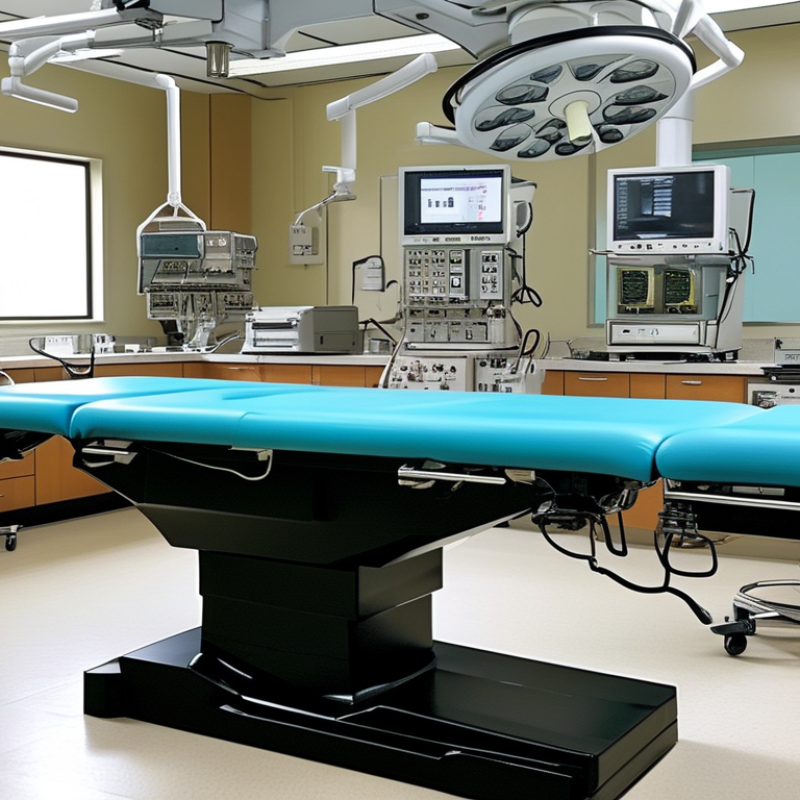
Maintaining a hydraulic surgical table is crucial for any medical facility. Proper care enhances patient safety and surgical efficiency. A well-maintained table contributes to accurate positioning and stability during procedures. According to the FDA, about 2,000 medical device-related injuries occur yearly due to equipment failure. Neglecting maintenance can lead to unexpected breakdowns and complications, jeopardizing patient outcomes.
Regular inspections are vital. The American Hospital Association suggests conducting checks quarterly. Look for fluid leaks, electrical issues, and wear on components. Proper lubrication of joints and mechanisms is often overlooked but essential for smooth operation. Regular calibration ensures precision in movements.
Staff training is equally important. An informed team is key to identifying potential issues early. Maintenance logs should be kept updated. Despite best efforts, imperfections will happen. A minor oversight might lead to significant problems. Continuous reflection on maintenance practices is necessary. A proactive approach will uphold the reliability of surgical tables, ensuring safety and efficiency in the operating room.
Hydraulic surgical tables are essential in the operating room, but they can face several issues over time. One common problem is hydraulic fluid leakage. This can lead to inconsistent table movements. Regular inspection is key.
Check hydraulic seals and connections regularly. If you notice any fluid, replace the seals immediately to ensure smooth operation.
Another frequent issue is failure of the electric components. This can affect height adjustments and tilting. Inspect wiring and connectors for wear or damage.
Sometimes, re-tightening loose connections can solve the problem. Remember to keep a clean workspace to avoid contamination that could affect the table's electrical systems.
Rust formation on metal parts is also a concern. It can cause mechanical failures and is often a sign of neglect. Wipe down surfaces after each procedure and use appropriate cleaning solutions. Implementing these preventive measures can enhance the longevity of the table. Regular maintenance checks may reveal hidden issues, allowing for timely interventions. A well-maintained surgical table reflects a commitment to patient safety and operational efficiency.
Regular inspection of a hydraulic surgical table is crucial for its performance and safety. Begin by visually checking for any visible wear or damage. Look for signs of hydraulic fluid leaks, which can indicate issues with seals or lines. Any fluid accumulation should prompt immediate attention. Inspect the mechanical components, ensuring that all moving parts operate smoothly without obstruction.
Routine maintenance should include cleaning the table thoroughly. Dirt and contaminants can affect functionality and pose risks. Use appropriate cleaning agents and cloths to avoid damaging the surfaces. Lubricate the joints and pivot points to keep everything moving freely. Pay attention to the weight capacity indicator; ensure it is accurate and visible.
Keep records of maintenance activities. Document any repairs, inspections, or replacements done. Reflect on any recurring issues that may suggest deeper problems requiring professional evaluation. Regularly updating this information can help anticipate future needs and ensure reliability in the surgical environment. Consider schedule adjustments if maintenance is often overlooked or neglected. This habit helps to maintain the table's optimal condition over time.
Keeping a hydraulic surgical table clean and sanitized is crucial for patient safety. According to the Centers for Disease Control and Prevention (CDC), surfaces in operating rooms can harbor harmful pathogens. Regular cleaning helps mitigate these risks. A recent study indicated that 30% of surgical site infections are linked to contaminated surfaces. This emphasizes the need for effective cleaning practices.
Start with an appropriate disinfectant. Check with manufacturers for guidelines on compatible cleaning agents. Most surgical tables require solutions with a proven efficacy against bacteria and viruses. Use a cloth or wipes to remove visible debris. Do not forget to pay attention to crevices where contaminants can hide.
In addition to cleaning, staff should undergo regular training on sanitization best practices. It's not enough to wipe down surfaces; knowledge of infection control is essential. As the healthcare industry evolves, adapting new cleaning protocols is vital. A reflection on current practices may reveal gaps in training or equipment usage. Regular evaluation ensures that cleaning remains thorough and effective, ultimately benefiting patient outcomes.
Maintaining the functionality of hydraulic surgical tables is crucial for optimal performance in surgical settings. Regular maintenance checks should include inspecting hydraulic systems for leaks and ensuring fluid levels are adequate. Research shows that well-maintained equipment has a 30% longer lifespan than neglected tables. Cleaning the surface regularly can prevent wear and tear, helping to create a safe environment.
It's important to pay attention to the hydraulic fluid quality. Contaminated fluid can lead to equipment failure. Industry guidelines suggest replacing hydraulic fluid every 6 to 12 months to avoid complications. Also, adjusting the table's movements periodically ensures smooth operation, reducing the risk of mechanical failure during surgeries.
Lastly, while routine inspections are vital, many institutions overlook minor issues. Small leaks or inconsistent movements can indicate larger problems. Addressing these issues early can save costs in the long run. Continuing education for surgical staff on equipment handling can further enhance longevity and reliability.
| Maintenance Task | Frequency | Tools Required | Estimated Time | Notes |
|---|---|---|---|---|
| Inspect Hydraulics | Monthly | Pressure gauge, cleaning cloth | 30 minutes | Look for leaks and maintain fluid levels. |
| Clean Surfaces | Daily | Non-abrasive cleaner, cloth | 15 minutes | Ensure all surfaces are free from contaminants. |
| Check Bolts and Fasteners | Quarterly | Wrench set | 1 hour | Ensure all fixtures are tight and secure. |
| Calibrate Controls | Annually | Calibration tools, manual | 2 hours | Follow manufacturer’s specs for proper adjustment. |
| Perform Full Inspection | Biannually | Inspection checklist | 3 hours | Document any issues and schedule repairs. |
: Hydraulic fluid leakage is a frequent problem, causing inconsistent movements. Regular inspections can help identify leaks early.
Inspect wiring and connectors regularly for wear. Re-tighten any loose connections. Keep the workspace clean to avoid contamination.
Rust can lead to mechanical failures. It often indicates neglect. Regularly clean and wipe down surfaces to prevent rust.
Look for wear, hydraulic fluid leaks, and smooth operation of moving parts. Immediate attention is needed if fluid accumulation is found.
It is advisable to replace hydraulic fluid every 6 to 12 months to prevent complications and ensure optimal function.
Keeping records helps track repairs and recurring issues. It can signal deeper problems and assist in future maintenance planning.
Regular cleaning and lubrication of joints can help prevent wear and ensure smooth operation over time.
Neglected equipment may face more frequent failures. Small issues can escalate, leading to higher repair costs and downtime.
Periodically adjusting the table's movements can smooth operation, reducing the risk of malfunction during surgeries.
Educating staff on proper equipment handling can enhance the table’s reliability and lifespan in surgical settings.
In the article "How to Keep Your Hydraulic Surgical Table in Top Condition?", the importance of maintaining hydraulic surgical tables is emphasized to ensure optimal performance and safety during surgical procedures. The article addresses common issues faced by these tables, such as hydraulic leaks or irregular movements, and provides effective solutions to resolve these problems.
A detailed step-by-step guide outlines regular inspection and maintenance procedures that should be followed, along with best practices for cleaning and sanitizing the equipment to maintain hygiene standards. Additionally, the article offers valuable tips on how to ensure the longevity and optimal functionality of your hydraulic surgical table. In summary, understanding how to maintain a hydraulic surgical table is crucial for any healthcare facility to enhance operational efficiency and patient safety.

Emfix Medical