Integrating monitors into an operating room pendant is essential for modern surgical environments. Dr. John Simmons, an expert in surgical technology, emphasizes, "Effective integration enhances accessibility and efficiency during procedures." With the increasing complexity of surgeries, having real-time data at arm's length is crucial. The pendant acts as a central hub, allowing surgeons and nurses to manage vital signs and imaging seamlessly.
How to integrate monitors into an operating room pendant? This question drives innovation in hospital design. The integration process involves thoughtful placement of screens and ensuring they do not obstruct other equipment. It requires collaboration among manufacturers, architects, and medical professionals to achieve the ideal configuration. Each installation can present unique challenges, from spatial constraints to specific user needs.
Thoughtful integration can improve workflow, but there are considerations. Not every hospital has the same resources. Sometimes, existing setups resist change. Additionally, staff training on new systems is vital to maximize benefits. Addressing these elements ensures that the integration yields practical advantages, ultimately supporting patient care.
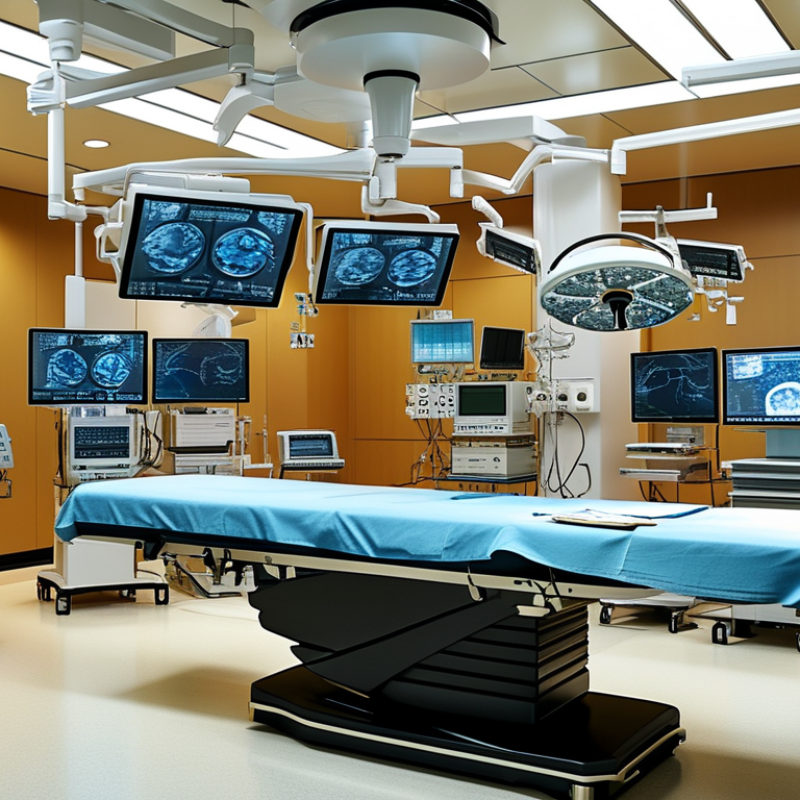
Integrating monitors into operating room pendants offers numerous benefits, enhancing operational efficiency and improving patient safety. With critical patient data easily visible, medical teams can make quick decisions during surgeries. This integration reduces clutter on the surgical field and allows for streamlined equipment management.
One significant advantage is the ability to display real-time vital signs. Surgeons and nurses can monitor the patient's condition without turning away from the procedure. This constant awareness is vital for adjusting tactics as needed. It also minimizes unnecessary movements, which can be risky during operations.
**Tip:** Ensure that the monitors are positioned at ergonomic eye levels to reduce strain on medical personnel.
Another benefit is improved workflows. Integrated monitors facilitate better communication among team members. Surgical staff can discuss patient data without searching for separate devices. However, integrating monitors can present challenges. For example, too much information displayed at once may overwhelm the team, creating confusion.
**Tip:** Consider using customizable screens to show only the most critical data during surgery for clarity.
Ultimately, integrating monitors into operating room pendants promotes a safer environment. It enhances focus on patient care, yet healthcare teams must remain vigilant about information overload.
: Monitors provide real-time data, allowing surgical teams to make swift decisions and reduce information search time.
Visual clutter can distract team members, affecting their focus on patient care and response times.
Proper placement at eye level minimizes neck strain and enhances visibility, leading to quicker decision-making.
Avoid placing monitors too close to prevent glare and ensure a clutter-free workspace for better focus.
Establish clear hand signals and encourage verbal and visual updates to keep everyone informed during procedures.
Regularly reassessing monitor position helps accommodate team preferences and improve efficiency based on changing practices.
Ergonomic design reduces physical strain, resulting in improved efficiency and better surgical outcomes.
Training on integrated systems ensures that staff can use monitors effectively, improving overall surgical performance.
There is a growing demand for integrated solutions, with the surgical display market projected to surpass $3 billion by 2025.
Accurate readings during critical procedures depend on regular calibration, ensuring reliable data for surgical decisions.
Integrating monitors into an operating room pendant offers numerous benefits that enhance the surgical environment. These monitors provide real-time data access, improving surgical team communication and overall efficiency. Essential features for these monitors in surgical settings include high visibility, touchless controls, and compatibility with various medical devices. When considering how to integrate monitors into an operating room pendant, the placement and accessibility of these screens play a crucial role in ensuring that surgeons and medical staff can easily view vital information without disrupting the flow of the procedure.
As technology continues to evolve, the integration of sophisticated monitors is expected to enhance not only operational efficiency but also patient outcomes. Future trends may include increased use of augmented reality and advanced imaging technologies, further improving the surgical experience. In summary, the thoughtful integration of monitors into operating room pendants is vital for optimizing surgical procedures and enhancing communication among the surgical team.

 Emfix Medical