In modern healthcare, the safety of patients and surgical teams is paramount. One critical aspect often overlooked is the airflow in operating theaters. Proper airflow can significantly reduce the risk of infections and ensure a sterile environment. However, many hospitals struggle with this vital element.
How to improve airflow in an operating theater? This question demands attention. Surgical teams need to understand the impact of air circulation on patient safety. Too often, facilities rely on outdated ventilation systems. These systems may not adequately filter airborne contaminants. This can lead to adverse outcomes.
Enhancing airflow is not merely a technical issue; it involves a blend of expertise and consideration of best practices. Hospitals must heed the recommendations of ventilation experts. Adjusting air changes per hour and optimizing air pressure can make a difference. Ultimately, focusing on airflow in operating theaters is essential for better safety measures and improved patient outcomes.
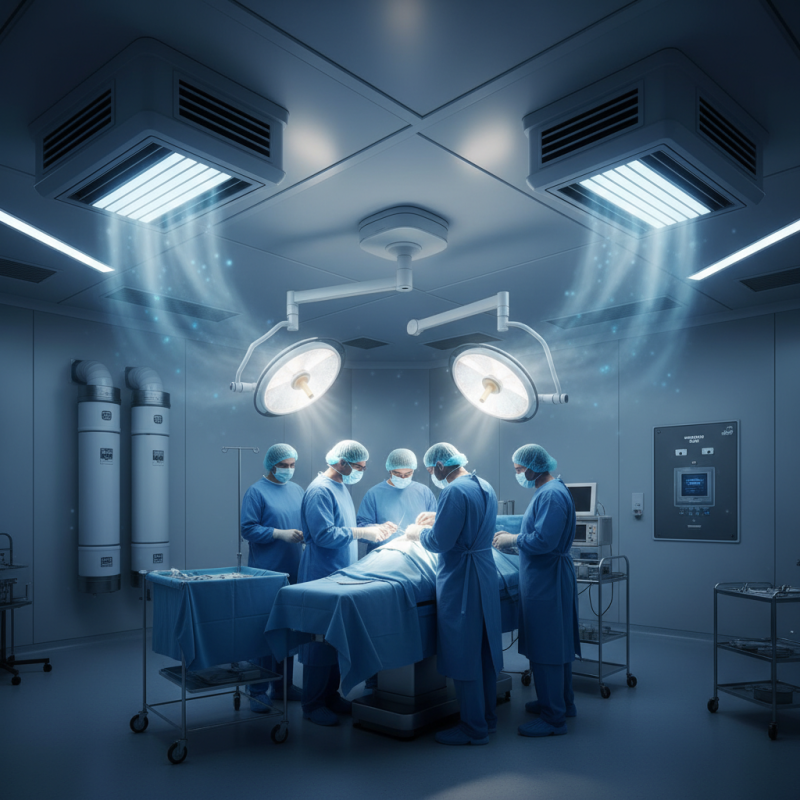
Operating theaters are critical environments where patient safety is paramount. Airflow dynamics play a significant role in maintaining sterile conditions. According to a study published in the Journal of Hospital Infection, proper airflow can reduce the risk of surgical site infections by up to 30%. Understanding how air moves within these spaces is essential for medical teams to create safer settings.
One crucial aspect is the use of laminar airflow systems, which provide a unidirectional flow of air. This method minimizes microbial contamination by continuously flushing away airborne particles. Data from the World Health Organization shows that hospitals employing this system report fewer infection rates. However, not all theaters utilize this technology, raising concerns about safety standards. Regular assessments of airflow systems should be standard practice.
Tips for improving airflow:
The challenges in achieving ideal airflow are notable. Many facilities struggle with outdated ventilation systems. Moreover, staff may lack training on how to use advanced systems effectively. This highlights the need for ongoing education and investment in technology to protect patients.
In operating theaters, air quality is critical for patient safety. Studies indicate that airborne particles and pathogens can increase surgical site infections (SSIs). A report by the World Health Organization highlights that SSIs can result in significant morbidity and extended hospital stays, making air quality a vital focus.
Key factors influencing air quality include ventilation rates and filters. The American Society of Heating, Refrigerating and Air-Conditioning Engineers recommends a minimum of 15 air changes per hour in operating rooms. However, many facilities struggle to meet this standard. Ineffective ventilation systems can lead to stagnant air and increased contamination risk.
Moreover, the positioning of air supply and return vents plays a significant role in airflow. Proper airflow patterns can prevent airborne contaminants from settling on surgical sites. Rigorous air monitoring is essential, yet some hospitals lack comprehensive monitoring systems. Implementing real-time air quality assessments can enhance surgical safety significantly.
Efficient airflow in operating theaters is crucial for patient safety. Studies show that reduced airborne bacteria correlate with proper airflow management. An effective design can lower infection rates by up to 30%, according to a recent healthcare facility report.
Ventilation systems should create a positive pressure environment. This approach prevents room air from entering during procedures. A key aspect is the placement of air diffusers. Ideally, they should be located away from the surgical site. This helps minimize contamination risk.
However, challenges remain. Some facilities may have outdated systems that cannot adapt. Regular assessments are necessary to ensure compliance with current standards. Furthermore, staff training on airflow systems is often overlooked. This results in ineffective use and missed opportunities for improvement. Engaging with industry experts can provide valuable insights for better practices.
Effective airflow in operating theaters is crucial for patient safety. Implementing technology for real-time airflow monitoring can significantly enhance the clinical environment. A study by the World Health Organization highlights that surgical site infections can be reduced by 30% through improved air management. This data underscores the importance of maintaining optimal airflow dynamics.
Real-time monitoring systems can track airflow patterns and filter efficacy. These systems can identify anomalies and alert staff to unexpected changes. This innovation not only enhances patient outcomes but also ensures staff safety during procedures. Hospitals can save costs due to fewer postoperative infections, which often lead to extended hospital stays.
Tips for improving airflow include regularly inspecting HVAC systems. Ensure that filters are changed promptly to maintain their efficiency. Training staff to recognize airflow issues is also vital. Even small adjustments can lead to significant improvements. Remember, ongoing assessments are necessary. Continuous improvement in airflow management is a journey, not a destination.
| Measurement Point | Airflow Rate (CFM) | Temperature (°C) | Humidity (%) | Time of Measurement |
|---|---|---|---|---|
| Zone A - Entry | 450 | 24 | 50 | 10:00 AM |
| Zone B - Surgery Area | 600 | 23 | 48 | 10:05 AM |
| Zone C - Recovery Room | 500 | 22 | 45 | 10:10 AM |
| Zone D - Equipment Storage | 400 | 25 | 52 | 10:15 AM |
In operating theaters, airflow plays a crucial role in patient safety. Studies show that improved ventilation can reduce infection rates significantly. For instance, hospitals that upgraded their airflow systems reported a 30% decline in postoperative infections. This data highlights the importance of maintaining a controlled environment during surgeries.
Effective airflow systems limit the transmission of airborne pathogens. A well-designed ventilation system can filter contaminants effectively. Keeping the air changes per hour (ACH) rates above 20 is recommended. This level ensures that fresh air is continuously cycled in, minimizing the chances of infection.
Tips: Regular maintenance of HVAC systems is vital. Check filters frequently to ensure optimal performance. Staff education on airflow importance should be prioritized. Lastly, consider environmental factors, like the placement of surgical equipment, which may affect airflow quality negatively. Addressing these areas can lead to better patient outcomes and increased safety.
: Airflow dynamics are vital for patient safety and maintaining sterile conditions.
Proper airflow can decrease the risk of surgical site infections by up to 30%.
A laminar airflow system provides a unidirectional air flow, reducing airborne contaminants.
Regularly maintain HVAC systems, monitor airflow patterns, and train staff properly.
Many have outdated systems and staff may lack adequate training on new technologies.
It prevents room air from entering during surgeries, minimizing contamination risks.
Proper placement of air diffusers helps reduce contamination at the surgical site.
Regular assessments are necessary to ensure systems meet current safety standards.
Lack of staff training and outdated technology can hinder airflow effectiveness.
Continuous education and investment in technology are essential for protecting patients.
In operating theaters, effective airflow dynamics play a crucial role in ensuring air quality and patient safety. Understanding how to improve airflow in an operating theater involves identifying key factors that influence these dynamics, such as the positioning of vents and the materials used in the theater's design. Implementing best practices for efficient airflow systems can significantly reduce the risk of airborne infections and enhance overall safety for both patients and surgical teams.
Moreover, integrating technology for real-time airflow monitoring allows for immediate adjustments, ensuring optimal air circulation and cleanliness. Evaluating the impact of these airflow improvements on patient outcomes reveals that enhanced air quality can lead to better recovery rates and reduced post-operative complications. Consequently, prioritizing airflow management in operating theaters is essential for fostering a safe and effective surgical environment.

Emfix Medical