Why is Proper Patient Positioning Vital for Surgery Outcomes?

Time:2026-07-03 Author:Sophia
0%

In the operating room, patient positioning is a critical aspect often overlooked. Why is patient positioning critical on an operating table? This question holds the key to successful surgical outcomes. Proper positioning ensures optimal access for the surgical team. It also minimizes the risk of nerve damage and pressure sores.

Surgeons rely on a patient’s position to perform precise procedures. An arm or leg placed incorrectly can lead to complications. Moreover, every surgical specialty has its own unique positioning requirements. For instance, orthopedic surgeries may require more support than others. When patients are not adequately positioned, the risks rise significantly. Surgical teams must adapt to ensure both safety and effectiveness.

Every surgical professional understands the importance of correct alignment. It is a foundational element of patient safety and care. Yet, imperfect situations may arise, such as unexpected patient movements. Reflecting on these moments can lead to improved practices. Ultimately, a keen focus on patient positioning can be the difference between success and complications in surgery.
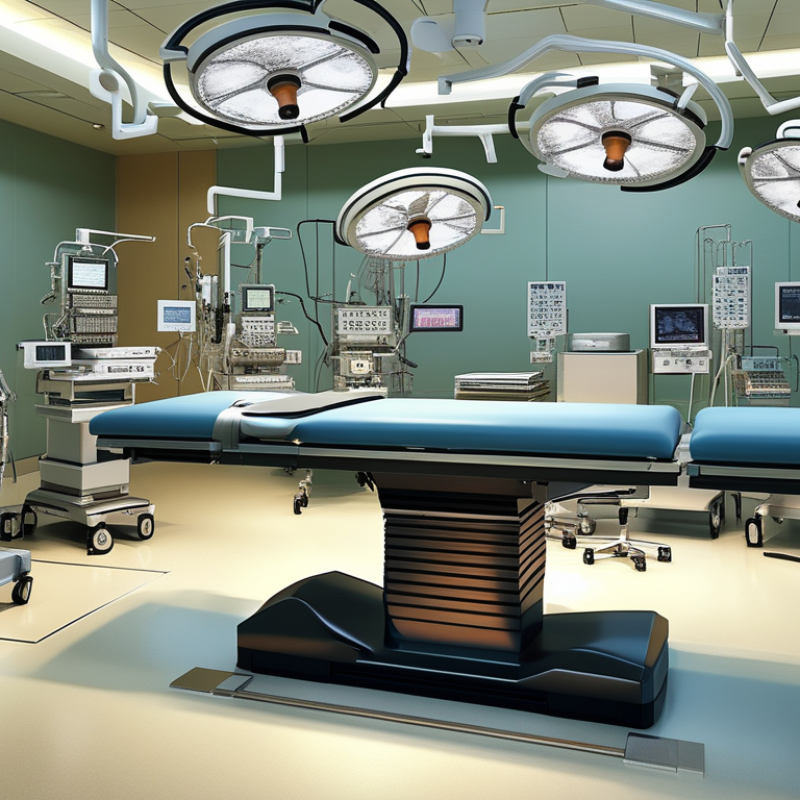
Why is Proper Patient Positioning Vital for Surgery Outcomes?

Importance of Patient Positioning in Surgical Procedures

Surgical outcomes significantly depend on proper patient positioning. This ensures that the surgical team has optimal access to the operative site. Misalignment can lead to complications. For instance, if a patient is not positioned correctly, it may hinder the surgeon's visibility or reach. This increases the risk of errors during the procedure.

Moreover, patient comfort cannot be overlooked. Inadequate positioning can lead to nerve damage or pressure sores. The right measures must be in place to avoid these issues. Techniques such as padding the pressure points or adjusting the table’s height are essential. However, over-correction can cause its own set of challenges. Each surgical case is unique and requires a tailored approach.

Inexperienced staff may underestimate the importance of positioning. Training and experience are crucial. Hospitals should emphasize the need for awareness regarding this aspect. Regular reviews and feedback sessions can help improve practices. Ultimately, ensuring the correct position can lead to smoother operations and better recovery for patients.

Impact of Patient Positioning on Surgical Outcomes and Recovery

Proper patient positioning is crucial for successful surgical outcomes. Studies indicate that correct positioning can reduce intraoperative complications by up to 50%. It impacts ventilation, blood circulation, and even the surgeon's access to the surgical site. Inadequate positioning may lead to nerve injuries or muscle strains, which affect recovery times. According to a comprehensive review by the American Society of Anesthesiologists, improper alignment during surgery accounts for about 30% of postoperative complications.

The influence of patient positioning extends into the recovery phase. A study in the Journal of Clinical Anesthesia highlighted that patients positioned correctly during surgeries had a shorter duration of hospital stays, averaging two days less than those who were not. This suggests that investing in proper positioning techniques can lead to improved overall care efficiency. Yet, challenges remain. Inconsistent protocols across different surgical teams can lead to variability in patient safety. Awareness and training for all surgical staff are essential to bridge these gaps. Through shared knowledge, the surgical community can enhance positioning practices and prevent postoperative complications.

Common Surgical Positions and Their Indications

Proper patient positioning is crucial for successful surgical outcomes. Different surgical procedures require specific positions. Each position has its own set of benefits and risks. For example, the supine position is the most commonly used, recommended for abdominal surgeries. It allows easy access to vital organs. According to a study published in the Journal of Surgical Research, improper positioning can increase the risk of pressure injuries by up to 60%.

Trendelenburg position, where the patient is tilted with legs elevated, is often used for pelvic surgeries. This position can improve visibility for surgeons but may cause respiratory complications. A report from the American College of Surgeons noted that nearly 30% of patients experienced some form of positional injury due to inadequate safety measures. These statistics stress the need for vigilance during positioning.

Another common position is the lateral position, commonly used in thoracic surgeries. This position allows lateral access to the thoracic cavity. It is vital to monitor the patient's hemodynamics in this position. Failure to do so can lead to serious complications, such as impaired circulation. Regular training and adherence to established protocols can mitigate these risks and improve surgical outcomes.

Factors Influencing Proper Patient Positioning

Proper patient positioning during surgery is crucial for minimizing complications and enhancing surgical outcomes. Factors influencing this positioning include patient anatomy, the type of surgery, and the equipment used. Surgeons must assess the patient's build and any underlying conditions. This helps in choosing the best position that provides adequate exposure while ensuring patient safety.

In addition to anatomical considerations, the surgical team plays a vital role. An experienced team can quickly adjust positioning as needed. Another significant factor is the operating table's design. Some tables allow for adjustments that enhance visibility and access. However, even minor errors in positioning can lead to pressure injuries or nerve damage. Safety protocols must be strictly followed.

Patient comfort also matters. If patients feel secure, they may experience less anxiety. Moreover, frequent assessments during surgery can identify positioning issues early. Communication among team members is essential for addressing any concerns swiftly. Reflecting on past surgeries reveals that even seasoned professionals can make positioning mistakes. Continuous education and training are key to improving practices in this critical area.

Potential Complications of Improper Patient Positioning

Improper patient positioning during surgery can lead to significant complications, impacting patient safety and surgical outcomes. According to reports from the American Academy of Orthopaedic Surgeons, up to 25% of patients may experience positioning-related injuries. These can include nerve damage, pressure ulcers, and respiratory issues. For example, brachial plexus injuries often occur when the arm is improperly positioned, which can have long-term effects on mobility.

A study published in the Journal of Clinical Anesthesia indicates that incorrect positioning can increase the duration of surgery. This extended operating time raises the likelihood of complications such as blood clots. In critical cases, patients may also face prolonged hospital stays, which can negatively impact overall recovery. A focus on proper patient alignment can greatly mitigate these risks.

Tips for ensuring proper patient positioning: Regular training for surgical teams is essential. They should review positioning protocols and understand the anatomical implications of each position. Use supportive tools and padding to prevent pressure points. Finally, always conduct a final check before surgery begins to confirm that the patient is securely and comfortably positioned. Attention to these details can significantly enhance patient safety and surgical efficacy.

FAQS

: Why is patient positioning important during surgery?

: Proper positioning reduces intraoperative complications. It impacts ventilation, circulation, and surgeon access, enhancing overall outcomes.

What are common complications from improper positioning?

Complications include nerve damage, pressure ulcers, and respiratory issues. Such injuries may impact recovery and mobility.

How can patient positioning affect recovery time?

Correct positioning can shorten hospital stays. Patients may leave two days earlier than those with improper alignment.

What is the supine position used for?

The supine position is optimal for abdominal surgeries. It allows easy access to vital organs during procedures.

What risks are associated with the Trendelenburg position?

While it improves visibility for pelvic surgeries, this position may cause respiratory complications in some patients.

How does patient positioning relate to postoperative complications?

Improper alignment during surgery accounts for around 30% of postoperative complications, highlighting the need for vigilance.

What steps can reduce risks during patient positioning?

Regular training, using supportive tools, and a final check before surgery can enhance safety and outcomes.

Why is training important for surgical teams?

Training helps teams understand positioning protocols. Awareness of anatomical implications can prevent positioning-related injuries.

How does improper positioning affect surgery duration?

Incorrect positioning can lengthen surgery time, increasing the likelihood of complications like blood clots.

What is a common issue with patient positioning protocols?

Inconsistencies across surgical teams can lead to variability in patient safety and outcomes. Awareness is key to improvement.

Conclusion

Proper patient positioning is critical on an operating table because it significantly influences surgical outcomes and recovery. Effective positioning ensures optimal access for the surgical team, reduces the risk of complications, and maintains patient safety throughout the procedure. Common surgical positions, such as supine, prone, and lateral, each have specific indications based on the type of surgery being performed, highlighting the importance of tailored approaches to positioning.

Additionally, factors such as patient anatomy, the surgical procedure itself, and the length of the operation play crucial roles in determining the correct position. Improper positioning can lead to serious complications, including nerve damage and compromised circulation, which can negatively impact recovery. Therefore, understanding "Why is patient positioning critical on an operating table?" is essential for improving surgical success and patient outcomes.

Sophia

Sophia

Sophia is a dedicated marketing professional with an exceptional depth of knowledge about her company's products and services. With a keen understanding of market trends and customer needs, she crafts insightful blog posts that not only inform but also engage readers, enriching the company’s online......