2026 Best Guide for Safe Installation of Medical Pendant Systems?

Time:2026-05-11 Author:Aria
0%

The installation of medical pendant systems is crucial in healthcare environments. These systems provide essential support for medical equipment, enhancing efficiency and safety. However, the question arises, "How to install a medical pendant system safely?" Safety during installation is paramount. A poorly installed system can lead to significant risks for both patients and staff.

When planning for installation, understanding the specific requirements of the medical space is vital. Each facility has unique challenges, such as ceiling structure and weight distribution. Consulting with experts ensures that the installation meets all safety standards. This step is often overlooked but critical for reliable performance.

Even experienced professionals might overlook details during the process. It’s important to double-check measurements and the integrity of supports. Reviewing past installation mistakes can provide valuable insights. Engaging in continuous education on best practices can prevent common pitfalls. Following thorough guidelines will foster a safer healthcare environment and improve patient care.
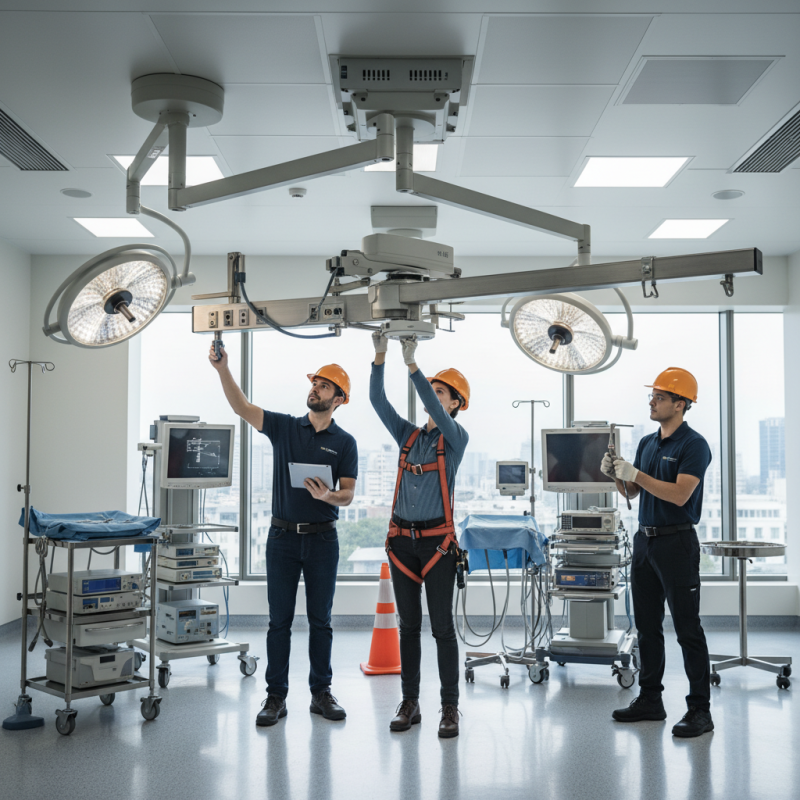
2026 Best Guide for Safe Installation of Medical Pendant Systems?

Key Considerations for Medical Pendant System Installation

The installation of medical pendant systems requires planning and attention to detail. Proper location selection is crucial. These systems need to be easily accessible and at a comfortable height. Consider the workspace layout and ensure strategic positioning. Think about cable management and potential obstacles that may arise.

Safety is a key focus during the installation process. It is essential to follow manufacturer guidelines for weight limits and structural support. Ensuring the pendant is securely mounted can prevent accidents down the line. Also, consider the training of staff members. Everyone should be familiar with how to utilize the systems efficiently.

Integration with existing equipment should not be overlooked. Assess the compatibility of the medical pendant with other devices. Inadequate planning may lead to workflow disruptions. Continuous evaluation and feedback from the healthcare team can help improve the setup. Involving users in the process from the start can uncover hidden challenges.

2026 Best Guide for Safe Installation of Medical Pendant Systems

Essential Safety Standards for Medical Pendant Systems

When installing medical pendant systems, adhering to safety standards is crucial. These systems are vital for medical environments, providing support for essential equipment. Each pendant must handle heavy loads and facilitate safe patient access. The installation process requires careful planning and expert oversight.

One key safety standard involves load testing. Technicians should verify that the system can support its maximum intended weight. Regular maintenance checks are essential too. Maintenance helps identify wear and tear that could lead to failures. Documentation of these checks is important for compliance and safety audits.

Staff training on the proper use of pendants is often overlooked. Training ensures that all users are aware of potential hazards. Clear protocols for emergency situations should be established, but they are not always followed. An effective installation combines solid engineering with a thorough understanding of the clinical environment. Consideration of these factors can significantly enhance safety and reliability.

2026 Best Guide for Safe Installation of Medical Pendant Systems

Dimension Description Safety Standard Installation Tip
Load Capacity Ensure the medical pendant can support the weight of all attached devices. ASTM F1160 Conduct a load test before installation.
Electromagnetic Interference Minimize potential interference with sensitive medical equipment. IEC 60601-1-2 Verify cable shielding is intact and uses appropriate grounding.
Accessibility Ensure easy access for both patients and healthcare providers. ADA Compliance Follow ergonomic guidelines for installation height.
Emergency Release Incorporate a manual release for emergencies. NFPA 99 Label emergency release points clearly in the vicinity.
Cable Management Prevent snagging and wear on cables. NEC Code Use clips and organizing techniques to secure cables.

Step-by-Step Installation Process for Medical Pendant Systems

Installing medical pendant systems requires a meticulous approach. These systems are critical for delivering power and medical gases efficiently in healthcare settings. According to the Health Facilities Research report, properly installed systems can enhance workflow and improve patient care.

Begin the installation process by assessing the ceiling structure. Ensure it can support the system's weight. This includes routine checks for structural integrity. Follow with accurate mounting with special attention to alignment. Utilize a level tool for precision. An improperly mounted pendant might result in functional failures later.

Next, connect the electrical and gas supply lines. Use qualified technicians to ensure compliance with safety standards. Studies indicate that improper connections can lead to hazardous situations in clinical environments. After installation, conduct thorough testing. Verification of all systems is essential to avoid malfunction during critical care moments. Remember, even the best installations can have issues. Re-evaluating your methods can lead to better standards and practices.

Common Mistakes to Avoid When Installing Medical Pendant Systems

When installing medical pendant systems, attention to detail is crucial. Common mistakes often arise from inadequate planning. For example, improper weight distribution can lead to safety hazards. According to a 2022 report from the Institute of Healthcare Engineering, nearly 25% of issues in medical installations are linked to these errors.

Users frequently underestimate the importance of positioning. The pendant must be accessible without obstructing medical equipment. If it's too high or low, it becomes inconvenient. A study found that 40% of medical staff faced difficulties with misaligned systems. They expressed concerns about operational efficiency and patient safety.

Inadequate training for installation teams is another frequent oversight. Personnel should thoroughly understand electrical and mechanical requirements. Insufficient knowledge can result in installation failures. Moreover, ongoing maintenance is vital to ensure reliability. Facilities must regularly assess their systems to prevent unexpected downtime.

Maintenance and Inspection Guidelines for Medical Pendant Systems

Maintaining and inspecting medical pendant systems is crucial for their safe operation. Regular checks enhance patient safety and ensure equipment reliability. According to a report by the Healthcare Facilities Accreditation Program (HFAP), routine inspections can reduce incidents by up to 30%. However, many facilities still overlook these essential practices.

Inspection guidelines typically recommend a monthly check-up. During these inspections, look for wear and tear on cables, connections, and the pendant’s structure. Any sign of corrosion or damage should be documented and addressed immediately. A study from the Journal of Clinical Engineering highlighted that improper maintenance can lead to equipment failures, impacting patient care timelines.

Training staff to conduct these inspections is equally vital. Many healthcare workers lack training in handling pendant systems properly. This knowledge gap can result in missed issues. Consider workshops that emphasize inspection techniques and the importance of reporting minor faults. With more emphasis on proper maintenance protocols, facilities can foster a safer environment for patients and healthcare providers.

FAQS

: What is a key safety standard for medical pendant systems?

: Load testing is essential to ensure the system can support its maximum intended weight.

Why is maintenance important for medical pendant systems?

Regular maintenance checks help identify wear and tear that could lead to system failures.

How should staff be prepared to use medical pendants?

Training is crucial so users are aware of potential hazards and proper usage.

What should be considered when installing medical pendant systems?

Ceiling structure must support the system's weight and maintain structural integrity.

Why is accurate mounting important?

Improper mounting can lead to functional failures later in the system's use.

What can happen with incorrect electrical and gas connections?

Improper connections may lead to hazardous situations in clinical environments.

What is a common mistake during installation?

Inadequate planning can lead to improper weight distribution and safety risks.

How does pendant positioning affect medical staff?

Poor positioning can obstruct equipment access and decrease operational efficiency.

Why is continuous training necessary for installation teams?

Insufficient knowledge in electrical and mechanical requirements can cause failures.

What should facilities do to prevent unexpected downtime?

Regular assessments and ongoing maintenance are crucial for reliability.

Conclusion

When considering how to install a medical pendant system safely, there are several key factors to keep in mind. First, it is crucial to understand essential safety standards that govern the installation and operation of these systems, ensuring they meet industry regulations. A thorough step-by-step installation process should be followed to guarantee proper functioning and integration into the medical environment.

Additionally, avoiding common mistakes—such as improper mounting or neglecting electrical requirements—can prevent potential hazards. After installation, routine maintenance and inspection guidelines must be adhered to, ensuring the systems remain safe and operational over time. By focusing on these critical aspects, healthcare facilities can ensure a safe and efficient medical pendant system installation that enhances patient care.

Aria

Aria

Aria is a dedicated marketing professional with a deep passion for innovative strategies and a keen understanding of our company's product offerings. With a wealth of experience in the industry, Aria excels at crafting engaging content that highlights the unique features and benefits of our......