In modern healthcare, the management of medical gas pipelines is critical for patient safety and operational efficiency. According to a report from the American National Standards Institute, improper handling of these systems can lead to serious consequences, including complications in patient care. Therefore, understanding how to manage medical gas pipelines in a hospital is essential. Each hospital's needs are unique, making comprehensive training and adherence to protocols crucial.
The complexity of these systems requires a reliable approach. Data from the National Fire Protection Association highlights that 70% of hospitals have faced issues related to medical gas systems. Effective management can mitigate risks and enhance patient outcomes. Regular maintenance and adherence to best practices form the backbone of a resilient medical gas infrastructure.
However, challenges persist. Staff compliance can sometimes fall short, leading to potential hazards. Continuous education and system evaluations are necessary to address these flaws. By cultivating a culture of safety and accountability, hospitals can ensure that their medical gas pipelines are managed efficiently and effectively.
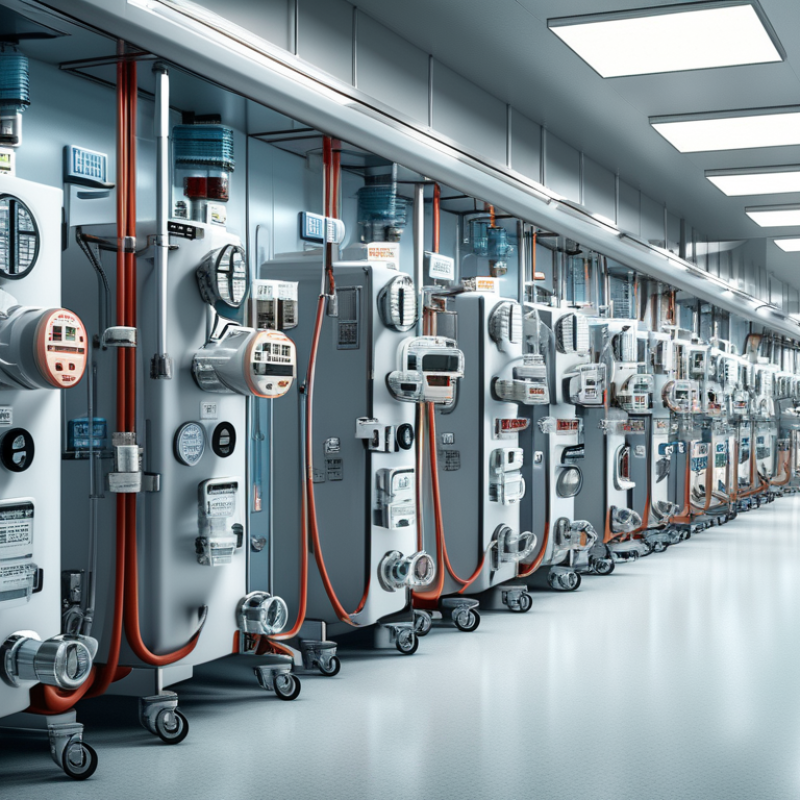
Medical gas pipelines are essential in hospital settings. They ensure a constant, reliable supply of gases like oxygen, nitrous oxide, and medical air. According to the American Society of Healthcare Engineering, about 30% of medical errors are related to mismanaged gases. This statistic underscores the importance of effective management in medical gas systems.
Hospitals rely on these pipelines not only for patient care but also for the safety of staff and operational efficiency. Properly maintained systems can reduce the risk of contamination and leaks. An estimation by the National Fire Protection Association indicates that over 1,000 reported incidents each year involve issues related to medical gas supply. These incidents can lead to critical situations if not addressed promptly.
Despite stringent regulations, gaps in pipeline management remain. Regular audits and training for maintenance staff are vital. Inconsistent practices can lead to severe consequences, including equipment damage or compromised patient safety. Improving protocols can enhance reliability, yet the challenge lies in maintaining compliance and awareness among hospital personnel. Hospitals must continually assess their systems to identify weaknesses and ensure safety in this critical area.
Medical gas systems are crucial for patient care in hospitals. These systems provide essential gases like oxygen, nitrous oxide, and medical air. The infrastructure includes pipelines, storage tanks, and alarms. A report by the International Journal of Medical Gas Systems highlights that efficient management reduces the risk of gas supply failures by 30%.
Pipeline integrity is paramount. Regular inspections are necessary to ensure there are no leaks. The American Society of Hospital Engineers recommends using advanced leak detection technologies. Maintenance schedules must be adhered to strictly. Gas delivery failures can lead to serious complications in patient treatment.
Tips for effective management include training staff on emergency protocols. Knowing how to respond to a gas supply disruption can save lives. Conduct regular drills to ensure preparedness. Moreover, engaging with industry experts to evaluate your system's performance can provide valuable insights. Coordination between different departments enhances the overall functionality of medical gas systems.
| Component | Description | Function | Maintenance Frequency |
|---|---|---|---|
| Medical Gas Pipeline | A network of pipes carrying medical gases | To provide essential gases like oxygen and nitrous oxide | Annual inspection |
| Pressure Regulators | Devices that control the pressure of gases within the pipeline | To ensure optimal pressure delivery to medical devices | Quarterly maintenance |
| Valves | Devices that regulate the flow of gases through pipes | To control gas delivery during procedures | Biannual testing |
| Alarm Systems | Systems that alert staff of malfunctions | To ensure patient safety through immediate notification | Monthly checks |
| Outlets | Points where gases are accessed by medical devices | To deliver gases directly to patients | Annual cleaning |
Effective management of medical gas pipelines requires vigilant daily monitoring and maintenance. Hospitals rely on these systems for oxygen, nitrous oxide, and other vital gases. Regular inspections are essential. Staff should be trained to identify potential leaks or pressure drops. Daily checks on pressure gauges ensure the system is functioning correctly.
Incorporating a checklist can help streamline this process. Inspect connections, fittings, and valves for wear. Document findings meticulously. Addressing minor issues early can prevent larger failures. It is crucial to have a clear response plan in case of a gas supply interruption.
Communication is vital among medical staff. Each department must understand the importance of system integrity. Continuous education about pipeline safety helps reinforce best practices. Mistakes may happen, and it's important to learn from them. Developing a culture of safety among staff can lead to improvements in overall pipeline management.
Managing medical gas pipelines in hospitals is critical for patient safety. According to the National Fire Protection Association (NFPA), improper management can lead to potential hazards.
Regular inspections and maintenance are essential. These actions help reduce risks associated with leaks or cylinder failures.
Safety protocols must align with local regulations. The American Society of Heating, Refrigerating and Air-Conditioning Engineers (ASHRAE) recommends annual training for staff. This training should cover proper handling and emergency procedures. A study indicated that up to 25% of healthcare workers lacked adequate training in handling gases. This gap can lead to serious incidents and must be addressed.
Documentation plays a vital role in safety. Accurate records of inspections, training, and incidents should be maintained. The Joint Commission emphasizes the importance of audits in ensuring compliance. However, many facilities struggle to keep up with documentation. Regular audits can help identify areas for improvement, promoting a culture of safety. A proactive approach enhances both compliance and the overall safety of medical gas management.
Training healthcare staff on medical gas pipeline operations is crucial for effective hospital management. Proper training ensures staff can identify issues quickly. It also minimizes risks associated with medical gas delivery systems. Staff should understand how to check for leaks, monitor gas levels, and maintain safety protocols.
Interactive training sessions are beneficial. They allow staff to engage with the equipment hands-on. Simulations can mimic real-life scenarios, preparing staff for unexpected situations. However, not all healthcare professionals have the same learning pace. Some may struggle with complex procedures, making ongoing support essential.
Regular refresher courses are necessary. They keep the team updated on new protocols. The challenges of training cannot be overlooked. Some staff may feel overwhelmed by the details. Continuous improvement is needed to create a culture of safety in hospitals. Investing in education yields long-term benefits for patient care.
: They ensure a constant supply of essential gases like oxygen and nitrous oxide for patient care and safety.
Mismanagement can lead to significant medical errors, with about 30% linked to gas management failures.
Regular inspections are crucial to prevent leaks and ensure system reliability; annual checks are often recommended.
Up to 25% of healthcare workers may lack adequate training in gas handling and emergency procedures.
Accurate records of inspections and training help ensure compliance and promote overall safety in gas management.
Inconsistent practices can result in equipment damage, leaks, and compromised patient safety; serious consequences may arise.
Regular audits, staff training, and continual system assessments can help identify weaknesses and enhance safety.
Gaps in management, compliance awareness, and maintaining documentation present ongoing challenges in ensuring safety.
Training helps staff understand proper handling and emergency procedures, significantly reducing potential safety hazards.
Many facilities find it difficult to keep up with proper documentation and regular audits, hindering compliance efforts.
Effectively managing medical gas pipelines in hospitals is crucial for ensuring patient safety and operational efficiency. Understanding the importance of these systems begins with recognizing their role in delivering essential medical gases, such as oxygen and nitrous oxide, to various hospital departments. Key components of medical gas systems include compressors, storage tanks, and distribution networks, all of which require regular monitoring and maintenance to ensure functionality.
To manage medical gas pipelines in a hospital, best practices involve daily checks and adherence to safety protocols and regulations governing medical gas handling. Implementing comprehensive training programs for healthcare staff is also vital, as it equips them with the knowledge required for safe operation and compliance with standards. By focusing on these aspects, hospitals can foster a safe and effective environment for both patients and staff.
Emfix Medical