In the surgical environment, lighting plays a critical role in ensuring precision and safety. As technologies evolve, the debate over lighting options continues to grow. One pertinent question is, "What is the difference between halogen and LED surgical lights?" According to Dr. John Mitchell, a leading expert in surgical technologies, “The right lighting can transform a surgery from routine to exceptional.”
Recent industry reports indicate that LED surgical lights are gaining traction due to their energy efficiency and longer lifespan. They can last up to 50,000 hours, significantly outlasting halogen lights, which generally endure for about 2,000 hours. LED lights also produce less heat, minimizing the risk of discomfort for both patients and surgeons. However, some practitioners still prefer halogen lights for their established reliability and familiarity.
This ongoing discussion highlights that innovation can sometimes create uneasy choices in surgical settings. While LED technology advances lighting quality, some hospitals may hesitate to completely replace traditional halogen lights, due to potential cost implications and training needs. Understanding these differences is crucial for optimizing surgical outcomes and improving the overall healthcare experience.
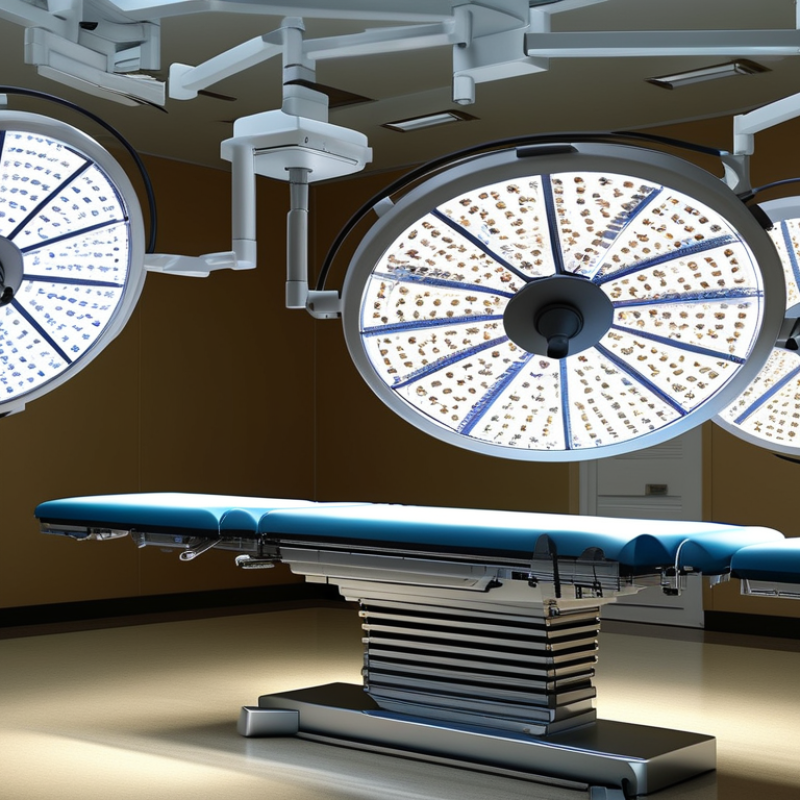
Difference in Light Quality: Halogen vs LED Surgical Lights
When comparing light quality between halogen and LED surgical lights, several factors come into play. Halogen lights produce a warm, yellowish light. This can create an inviting atmosphere but may not provide the clarity required in surgical settings. The light quality can be inconsistent. Oftentimes, this leads to difficulties in color perception during intricate procedures.
In contrast, LED surgical lights generate a bright, white light that closely resembles natural daylight. This enhances visibility and reduces eye strain for surgical teams. LEDs also allow for adjustable color temperatures, aiding in specific surgical requirements. However, some practitioners note that the initial investment in LED technology can be daunting.
Tips:
Consider the specific needs of your surgical environment when choosing lighting. Understand how different light qualities can impact patient outcomes. Always consult with experienced professionals to gain insights on the latest innovations in surgical lighting. Remember, the right light is crucial for surgery.
Difference in Light Quality: Halogen vs LED Surgical Lights
Energy Efficiency Comparison: Halogen Lighting versus LED Technology
When comparing energy efficiency, LED surgical lights outshine halogen options significantly. According to a study published in the Journal of Surgical Research, LED lights can operate at approximately 80% efficiency, while halogen lights are only about 20% efficient. This stark contrast means that hospitals can save on energy costs and reduce environmental impact while enhancing illumination quality during procedures.
LED technology provides consistent brightness, reducing the need for frequent bulb replacements. Halogen lights, in contrast, tend to emit a lot of heat, raising the temperature in the operating room. This additional heat can lead to discomfort for surgical teams. A report from the Health Facilities Management estimates that hospitals can experience a reduction in cooling costs by 30% when using LED lighting instead of halogen.
While initially, LED lights may have a higher purchase price, the long-term savings in energy and maintenance costs justify the investment. However, healthcare facilities must evaluate their needs. In some cases, traditional halogen fixtures are still in use due to lower upfront costs. Balancing short-term expenditures with long-term benefits remains a challenge for many healthcare administrators.
Cost Analysis: Initial Investment and Long-term Savings in Surgical Lighting
When considering surgical lighting, the cost is a major factor. Halogen lights often have lower initial costs but come with higher energy consumption and shorter lifespans. In contrast, LED surgical lights require a higher upfront investment. However, their longevity and energy efficiency can lead to significant savings over time. LEDs consume less power, lowering electricity bills, and their lifespan can exceed 50,000 hours, reducing replacement costs.
An analysis shows that hospitals might save thousands by switching to LED over time. Although the initial cost is a hurdle, the long-term benefits are compelling. For instance, less frequent bulb changes mean lower maintenance expenses and less waste. These details cannot be overlooked. Institutions need to weigh upfront costs against long-term savings to make informed decisions.
Investing in quality lighting reflects a commitment to patient care. While halogen lights are widely used, outdated technology can raise questions about performance and reliability. Opting for LEDs might seem daunting, but the financial and operational advantages speak volumes. Understanding these factors can lead to better choices for surgical environments.
Lifespan and Maintenance Requirements of Halogen vs LED Lights
The lifespan and maintenance of surgical lights significantly impact hospital operations. Halogen lights typically last around 2,000 hours and require frequent bulb replacements. This frequent maintenance can disrupt surgical schedules and lead to increased costs. In contrast, LED lights boast an impressive lifespan of 25,000 to 50,000 hours. A report from the American Association of Surgical Lighting noted that this can translate to significant savings on maintenance.
Maintaining halogen lights often requires specialized technicians. They need to monitor brightness and color temperature regularly. Over time, halogen bulbs degrade in performance, impacting visibility during procedures. LEDs, however, maintain consistent brightness and reduce heat generation. This characteristic helps prevent overheating, which can complicate surgery environments.
While the initial cost of LED lights might be higher, their longevity outweighs these expenses. The same report highlights that hospitals can save thousands annually by switching to LEDs. However, some facilities hesitate due to the upfront investment. This hesitation raises questions about the balance between budget constraints and operational efficiency. The challenge remains in educating stakeholders on the long-term benefits of LED lighting in surgical settings.
Impact on Surgical Outcomes: Visibility and Color Rendering in Procedures
Surgical lighting plays a critical role in the success of medical procedures. Halogen lights provide a warm color temperature but can produce shadows and heat. In contrast, LED surgical lights offer brighter illumination with better color rendering. This enhanced light quality improves visibility, vital for delicate surgeries.
When it comes to color rendering, LED lights excel. They can replicate natural light closely, allowing surgeons to distinguish between different tissue types. This can lead to more accurate diagnoses and procedures. Halogen lights, while adequate, may not provide the same clarity of detail.
**Tips for Optimal Lighting in Surgery:**
- Ensure lights are adjustable, enabling quick focus changes during procedures.
- Use LED lights in shadow-free setups to minimize surgical errors.
- Regularly assess the lighting equipment for maintenance and updates.
Having the right lighting can transform surgical outcomes. It’s essential to choose wisely based on the unique needs of each procedure. Not all surgeons may fully appreciate the differences in lighting technologies. Continuous education on such topics can lead to improved surgical practices.
FAQS
: Halogen lights typically have lower initial costs compared to LED lights.
Halogen lights consume more energy and have shorter lifespans than LED lights.
Hospitals can save thousands by switching to LED lights due to their longevity and reduced energy costs.
Good color rendering helps surgeons distinguish different tissue types, improving accuracy in procedures.
LED lights offer brighter illumination and better visibility, essential for delicate surgeries.
Regularly assess lighting equipment and ensure lights are adjustable for optimal focus during procedures.
The higher upfront costs of LED lights can be a hurdle, even with long-term savings in mind.
Using halogen lights can raise reliability and performance concerns, potentially impacting patient care.
Institutions need to evaluate both initial cost and long-term benefits to make informed choices.
Educating staff about lighting technologies can lead to improved surgical practices and better outcomes.
Conclusion
What is the difference between halogen and LED surgical lights? This inquiry encompasses several critical factors such as light quality, energy efficiency, cost, lifespan, and their impact on surgical outcomes. Halogen lights are known for their warm color temperature and excellent color rendering, which provide good visibility during procedures. However, they consume more energy and have a shorter lifespan compared to LED lights, which offer greater energy efficiency and longer usage life due to their low heat output and durability.
In terms of cost analysis, halogen lights may have lower initial investment costs but incur higher maintenance and energy costs over time. Conversely, while LED surgical lights require a higher upfront investment, they yield significant long-term savings and reliability. Ultimately, the choice between halogen and LED surgical lights significantly influences surgical procedures, affecting visibility and the quality of care patients receive.

 Emfix Medical