China Top 10 Modern OR Power Supply Manufacturers?

Time:2026-11-09 Author:Amelia
0%

A modern operating room depends on more than a steady electrical outlet. Surgical lights, anesthesia systems, ventilators, imaging equipment, and robotic tools may operate at the same time. Each device has specific voltage, frequency, and backup-power needs. What are the power requirements for a modern OR? The answer depends on local standards, room design, and the equipment installed. Reliable planning usually considers critical-load circuits, backup power, grounding, power quality, and clear fault monitoring. Small details matter. A poorly placed outlet or an unclear alarm can complicate a busy procedure.

This guide introduces ten Chinese manufacturers associated with modern operating-room power systems and related equipment. It is intended as a practical starting point, not an official ranking or a substitute for technical review. Company capabilities, product ranges, and certifications can change, so buyers should verify current documentation directly. Compare systems by their intended clinical use, rated capacity, redundancy options, monitoring features, service coverage, and compatibility with existing infrastructure. Ask for test reports and installation references where available. A polished brochure is not enough. Some specifications may look similar on paper, yet differ in support, integration, or maintenance requirements. That is worth questioning. Hospital engineers, clinical teams, and procurement staff should assess the same requirements together before selecting a supplier. The following overview helps readers identify manufacturers for further evaluation and frame better questions during technical discussions.
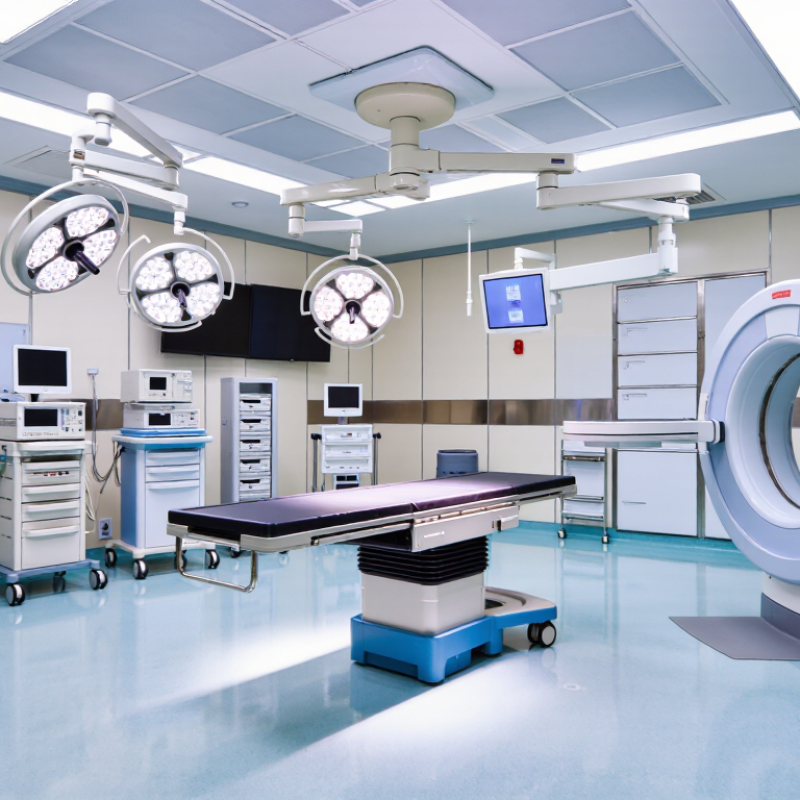
China Top 10 Modern OR Power Supply Manufacturers?

What Is a Modern Operating Room Power Supply System?

A modern operating-room (OR) power supply system keeps critical equipment powered and helps reduce electrical risks around patients. It is more than a generator. Depending on the facility’s design, it may combine normal utility power, emergency sources, automatic transfer equipment, uninterruptible power supplies, and dedicated medical electrical circuits. Some circuits use an isolation transformer and insulation monitor to detect insulation faults without immediately interrupting supply. Small details matter.

The 2023 WHO–World Bank report Energizing Health estimates that nearly one billion people in low- and lower-middle-income countries are served by health facilities with no or unreliable electricity. This is not an OR-specific outage statistic, but it highlights why dependable power deserves careful planning. In an operating room, a brief interruption can affect lighting, monitoring, imaging, or powered instruments. Different loads need different levels of backup, so engineers should map each circuit to its clinical purpose.

A sound design also considers grounding, equipotential bonding, alarm visibility, and maintenance access. Staff should be able to recognize an alarm without searching through a crowded panel. Commissioning tests should verify transfer behavior, backup duration, monitoring, and fault response under realistic conditions. A system can meet a design specification yet still confuse staff during a stressful procedure. That gap deserves review. The final configuration should reflect the room’s equipment, local technical requirements, and input from clinical engineering and operating-room teams.

Key Safety and Performance Requirements for Operating Room Power

China Top 10 Modern OR Power Supply Manufacturers?

Key Safety and Performance Requirements for Operating Room Power

Operating-room power must support sensitive equipment while reducing electrical risks around patients and clinical staff. Requirements vary by facility design and local standards, so system planning should involve qualified electrical engineers and clinical teams. In some operating rooms, isolated power systems and line isolation monitors are used. Their alarms must be visible and audible, and staff need to know what to do when one activates. Small details matter.

Reliable performance also depends on correctly sized circuits, secure connections, and clearly identified outlets. Critical loads may need backup power, with transfer performance verified during commissioning. Equipotential bonding helps limit voltage differences between accessible conductive parts. Routine inspection should include protective devices, alarm functions, and backup arrangements—not just a quick visual check. A checklist can look complete while a loose outlet contact remains unnoticed. No system is maintenance-free.

Tips: Label outlets by circuit, keep alarm instructions near the room, and record test results. Do not assume. Test under realistic conditions, and review any recurring alarms with the responsible technical team. A near miss deserves investigation, even when equipment appears to work normally.

How to Evaluate Operating Room Power Supply Manufacturers

How to Evaluate Operating Room Power Supply Manufacturers

Evaluate the system, not just its nameplate. Ask for the isolation transformer’s rated capacity, insulation-monitoring functions, alarm behavior, and documented response to faults. Request test records showing how the equipment performs under defined load conditions. A polished brochure is not evidence.

The WHO, World Bank, IRENA, and SEforAll report Energizing Health (2023) estimates that nearly one billion people in low- and lower-middle-income countries are served by health facilities with unreliable electricity or none. This is not an operating-room-specific statistic, but it shows why resilient power matters. Check how a supplier addresses supply interruptions, maintenance access, and replacement parts. Ask who provides support after commissioning.

Compare the proposed design with IEC 60364-7-710:2021 and the standards adopted in the project’s location. Request clear test procedures, alarm thresholds, and commissioning documentation. If backup power is included, confirm stated transfer times and runtime under the intended load. Details matter. I would question any uptime claim that omits its test conditions. Factory testing helps, but it cannot fully reproduce a busy operating room. Independent verification and a site acceptance test offer stronger evidence.

How to Evaluate Operating Room Power Supply Manufacturers

Suggested evaluation weights for comparing suppliers of operating-room power systems. These are buyer-defined priorities, not market rankings or manufacturer performance data.

Compare documented compliance with applicable medical electrical standards, isolated power system and insulation-monitoring capabilities, service support, customization, and lifecycle costs. Validate each supplier’s claims against project requirements and independent documentation.

China’s Leading Modern Operating Room Power Supply Manufacturers

China’s modern operating-room power supply manufacturers serve a demanding, fast-changing hospital environment. The National Health Commission’s 2023 Statistical Bulletin reported more than 38,000 hospitals nationwide. That figure signals a broad healthcare infrastructure, but it does not reveal how many operating rooms need upgrades. The distinction matters.

Strong suppliers design medical isolation power systems, transformers, insulation monitors, and alarm panels as one coordinated setup. In a real theatre, staff need clear alarms, stable power, and accessible service points—not another confusing screen. Buyers should check test records against relevant IEC standards, review component traceability, and ask how faults are handled during maintenance. Reliability matters. So does local support.

Product brochures rarely show performance after years of heat, cleaning, and repeated equipment changes. A practical evaluation should include factory testing, installation references, spare-parts availability, and response times. China’s leading manufacturers can differ widely in engineering depth, even when specifications look similar. I would treat headline claims cautiously; independent verification is still uneven. The NHC bulletin offers useful context, not a ranking of suppliers or proof of product quality.

Comparing Manufacturer Products, Certifications, and Support

Comparing modern operating-room power supply manufacturers in China requires more than matching prices. Start with the product details: rated capacity, insulation monitoring, alarm visibility, and compatibility with the hospital’s electrical design. Ask for wiring diagrams and test reports. A clear alarm at the nurse station matters more than a feature buried in a brochure.

Certifications need careful checking. Confirm the certificate’s issuing body, validity period, and exact product scope; a company-level quality certificate does not automatically cover every system. Relevant medical electrical and insulation-monitoring standards may help guide evaluation, but requirements depend on the installation and local rules. Check traceability, factory testing, and whether documents match the supplied model. Paperwork should be verifiable.

Support can separate similar products. Ask who handles commissioning, how quickly technical staff respond, and which spare parts are held locally. Request a sample service schedule and a realistic response-time commitment. Small details count. A polished brochure is not proof of dependable field support. Even a thorough comparison has limits: published specifications may not reveal how an alarm behaves during a real fault. Where possible, review demonstration results and speak with technical staff before making a decision.

China Top 10 Modern OR Power Supply Manufacturers? — Comparing Manufacturer Products, Certifications, and Support

This is a supplier-comparison framework, not a verified ranking or a set of company-specific claims. Product availability, certification status, and service coverage vary by supplier and model; confirm them using current documentation.

Comparison dimension What to compare Evidence to request Relevant standard or verification note
1. Product range Whether the portfolio includes AC-DC, DC-DC, open-frame, enclosed, or configurable modular power supplies suitable for the intended equipment. Current catalogue and model-specific datasheets; confirm each model’s intended application. Product types alone do not establish medical suitability.
2. Output specifications Rated output voltage and current, output power, regulation, ripple/noise, and performance across the stated load range. Datasheet limits and test conditions; compare them with the equipment design requirements. Check the exact model and operating conditions rather than relying on a family-level summary.
3. Input and environment Input voltage and frequency range, temperature limits, humidity conditions, altitude limits, and derating requirements. Model datasheet and installation instructions, including derating curves where provided. Confirm the documented limits cover the intended installation and mains supply.
4. Medical electrical safety Whether the specific power-supply model has been assessed for the applicable medical electrical equipment safety requirements. A valid test report or certificate that identifies the exact model, standard edition, and certification body where applicable. IEC 60601-1 addresses basic safety and essential performance of medical electrical equipment; applicability depends on the product and assessment scope.
5. EMC performance Documented electromagnetic emissions and immunity performance for the intended equipment configuration. EMC test report identifying the tested model, configuration, test levels, and results. IEC 60601-1-2 covers electromagnetic disturbances for medical electrical equipment and systems; verify applicability to the end equipment.
6. Quality management Whether the supplier maintains a quality management system appropriate to the product and the buyer’s regulatory requirements. Current certificate, issuing body, scope, site coverage, and expiry date. ISO 13485 specifies quality management system requirements for organizations involved in medical devices; certification alone does not certify a particular power-supply model.
7. Protection and reliability data Specified overvoltage, overcurrent, short-circuit, and overtemperature protections, plus stated reliability data and its assumptions. Datasheet, protection behavior, reliability calculation or report, and applicable test conditions. Do not compare reliability figures unless the methods, conditions, and assumptions are comparable.
8. Customization and integration Availability of custom output settings, mechanical options, connectors, documentation, and engineering support for integration. Written specification, revision-controlled drawings, sample evaluation plan, and change-control terms. Confirm that customized versions retain the required approvals and test evidence.
9. Production and traceability Manufacturing-site details, batch or serial-number traceability, inspection controls, and continuity planning. Site and process information, sample traceability records, and documented change-notification procedures. Verify the actual manufacturing site and certificate scope; do not assume they cover every facility or product.
10. Warranty and support Warranty duration and conditions, response channels, repair or replacement process, spare-parts availability, and support coverage in the buyer’s region. Written warranty terms, service contact details, response-time commitments, and lifecycle or end-of-life policy. Support commitments should be confirmed contractually rather than inferred from general marketing statements.

FAQS

Why does operating-room power need special planning?

Sensitive equipment and nearby patients make electrical risks more serious. Qualified electrical and clinical teams should plan the system together.

What should staff know about isolation-monitor alarms?

Alarms should be visible and audible. Staff need clear instructions nearby and practice responding when an alarm activates.

How can a hospital check backup power?

Identify critical loads and verify transfer performance during commissioning. Test under realistic conditions, not only on paper.

What should routine inspections include?

Check protective devices, alarm functions, backup arrangements, and outlet connections. A loose contact can escape a quick visual check.

Which details matter when comparing power systems?

Review rated capacity, monitoring features, alarm visibility, and compatibility with the room’s electrical design. Ask for wiring diagrams and test reports.

How should certificates and product documents be checked?

Verify the issuing body, validity period, and exact product scope. Match documents to the supplied model. Paperwork can mislead.

What support should buyers ask about?

Ask who handles commissioning, local spare-parts availability, and technical response times. Request a sample service schedule and written commitments.

Can brochures prove long-term reliability?

No. Heat, cleaning, and equipment changes affect performance over time. I would still want test records and installation references.

What should happen after a recurring alarm or near miss?

Record it and review it with the responsible technical team. Equipment may appear normal. Investigate anyway.

Conclusion

This article explains how a modern operating room power supply system supports dependable, uninterrupted electricity for surgical equipment, monitoring devices, lighting, and other critical loads. It outlines the question, “What are the power requirements for a modern OR?” and describes key considerations such as electrical safety, stable power quality, backup capacity, equipment compatibility, and reliable operation during outages. These requirements help healthcare facilities plan systems that support clinical workflows while reducing the risk of power-related disruptions.

The article also presents a practical framework for evaluating manufacturers in China, including their technical capabilities, product range, certifications, quality controls, installation expertise, and after-sales support. Comparing these factors can help hospitals and project teams assess available solutions more effectively. Rather than focusing on a single product, the discussion emphasizes matching system performance and ongoing service to the specific needs of each operating room.

Amelia

Amelia

Amelia is a seasoned marketing professional with a wealth of expertise in our company’s core offerings. With an unwavering passion for driving growth and innovation, she plays a pivotal role in shaping our marketing strategies and enhancing brand visibility. A key aspect of her responsibilities......