Why is Battery Backup Essential for Surgical Lamps in Healthcare?

Time:2026-05-19 Author:Madeline
0%

In the realm of healthcare, surgical lamps play a vital role in ensuring successful procedures. They provide bright and clear illumination needed by surgeons. However, power outages or equipment failures can pose severe risks during critical surgeries. This raises an important question: why is battery backup critical for surgical lamps?

Battery backup ensures continuous operation, even when the main power source fails. Surgeons rely on consistent lighting to perform intricate tasks with precision. A sudden loss of light could lead to mistakes, putting patients at risk. Moreover, surgical lamps often remain in use for extended periods. This increases the potential for power interruptions. The implications can be dire if backup solutions are not in place.

Additionally, hospitals must adhere to strict safety standards. Having reliable lighting is essential to maintain these standards. Ultimately, battery backup is not just an accessory; it is a necessary component for patient safety and surgical success. It's essential to reflect on the potential consequences of neglecting this aspect in medical environments. Investing in robust battery backup systems could mean saving lives.
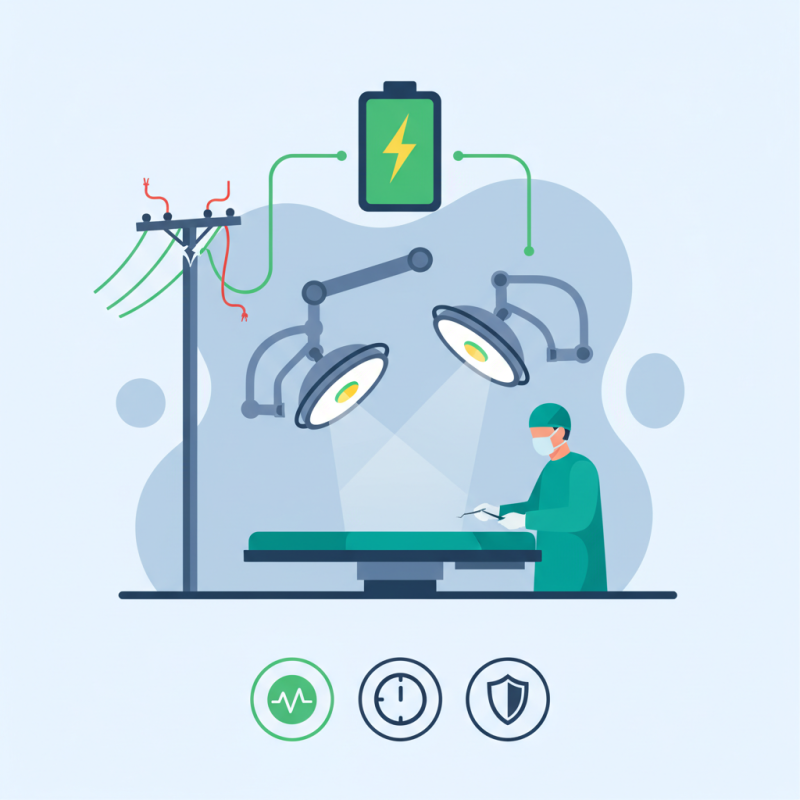
Why is Battery Backup Essential for Surgical Lamps in Healthcare?

Importance of Consistent Illumination in Surgical Environments

In surgical environments, consistent illumination is vital. Surgeons depend on bright, even lighting to perform delicate procedures. Inadequate lighting can lead to mistakes, which may harm patients. Proper lighting helps in distinguishing textures, colors, and shapes. Every detail matters when it comes to surgery.

Battery backup systems play a crucial role here. Power outages can occur unexpectedly. If surgical lamps fail, the consequences can be catastrophic. A reliable battery backup ensures that lighting remains uninterrupted. This is not just a convenience; it is a necessity for patient safety.

Additionally, maintaining lighting quality under various conditions is important. Surgical teams must adapt to different situations, which can be unpredictable. Having a dependable light source allows them to focus on their tasks with confidence. Ensuring a stable environment cultivates trust between medical practitioners and patients. Consideration of all these factors is essential to promote better outcomes in healthcare settings.

Why is Battery Backup Essential for Surgical Lamps in Healthcare? - Importance of Consistent Illumination in Surgical Environments

Aspect Importance Impact of Power Failure
Consistent Lighting Ensures reliable visibility during procedures Poor visibility can lead to surgical errors
Emergency Preparedness Provides immediate backup in case of power loss Increased risk to patient safety
Equipment Reliability Reduces downtime and maintenance issues Disruptions can delay critical operations
Patient Outcomes Improves surgical success rates Failures can lead to complications and extended recovery
Regulatory Compliance Meets healthcare standards for safety Non-compliance can result in penalties

Potential Risks of Power Outages During Surgical Procedures

Power outages can pose significant risks during surgical procedures. When the lights go out, the operating room becomes a dark, chaotic environment. Surgeons rely on bright, focused illumination to perform delicate tasks. Without it, their ability to see and operate effectively is compromised. And the consequences of poor visibility can be dire.

Imagine a critical moment in surgery when power suddenly fails. The entire team is left scrambling. Instruments may be dropped. Incisions could be made incorrectly. The risk of complications rises alarmingly. These scenarios highlight the importance of a reliable battery backup for surgical lamps. Surgeons depend on precision, and every second counts in the operating room.

Healthcare facilities must prioritize power redundancy. A well-designed backup system ensures that surgical lighting remains uninterrupted. While some may consider this an added expense, the true cost of inadequate lighting during surgery can lead to disastrous outcomes. Hospitals should reflect on the implications of power failures and the potential lives affected by seemingly minor oversights.

Importance of Battery Backup for Surgical Lamps

Role of Battery Backup in Ensuring Patient Safety

In the fast-paced world of healthcare, surgical lamps play a vital role during operations. They provide essential illumination for complex procedures. However, the reliance on electricity poses a challenge. Power outages can occur unexpectedly, jeopardizing patient safety. This is where battery backup systems become crucial.

Battery backup ensures that surgical lamps remain operational, even during a blackout. These systems provide immediate power, allowing surgeons to continue their work without interruption. Losing light mid-procedure could lead to severe risks. Surgical precision depends on adequate visibility. Any moment of darkness can have dire consequences.

Despite the significance of battery backup, not all facilities prioritize this feature. Some assume that power instability is rare. However, the reality is different. Regular assessments and updates to backup systems are essential. Failing to address this can result in dire situations. Healthcare facilities must recognize that preparedness is a continuous journey. It requires diligence and a commitment to safety.

Technical Specifications of Battery Backup Systems for Surgical Lamps

In healthcare settings, reliable illumination is crucial. Surgical lamps, often used in critical procedures, must maintain consistent brightness. In this context, battery backup systems play an essential role. These systems ensure that surgical lamps remain operational during power outages. The consequences of inadequate lighting can be severe, potentially jeopardizing patient safety and surgical outcomes.

Battery backup systems typically feature lithium-ion or lead-acid batteries. A lithium-ion battery can provide 10 to 12 hours of backup power, depending on the lamp's consumption. Reports suggest that over 55% of hospitals experience power interruptions at least once per year. This statistic underscores the importance of having robust backup solutions. Furthermore, systems with smart charging capabilities can extend battery life and enhance reliability, often providing real-time status updates to medical staff.

When selecting battery backup systems, consider factors like discharge time, recharge speed, and operating temperature range. Some hospitals are not aware that inadequate temperature control can significantly reduce battery efficiency. It’s vital to not only implement these systems but also regularly test them to ensure functionality. Adopting battery backup solutions can lead to improved patient outcomes and increased operational reliability in surgical environments.

Best Practices for Implementing Battery Backups in Healthcare Facilities

Battery backups are essential for surgical lamps in healthcare settings. A sudden power failure can mean the difference between life and death during procedures. Surgeons depend on reliable lighting for precision. When planning battery backup systems, consider the specific needs of various surgical environments.

Implementing battery backups requires careful assessment. Identify critical areas where lighting is necessary. Each facility has its unique layout and demands. Regular maintenance of backup systems is essential. Staff should be trained to manage these systems effectively. Documentation is crucial for compliance and operational efficiency. Tests should be scheduled to identify weak points.

Patient safety relies on the effectiveness of these backups. Surges in power can affect functionality. It’s vital to choose robust solutions that fit your facility's requirements. Assessing previous incidents can provide insight into future needs. Every detail matters when it comes to equipment that saves lives. Continuous improvement is key in this ever-evolving field.

FAQS

: Why is consistent illumination important in surgical environments?

: Consistent illumination is vital for surgeons to perform delicate procedures.

What can happen if surgical lighting is inadequate?

Inadequate lighting may lead to mistakes that can harm patients during surgery.

How do battery backup systems contribute to surgical safety?

Battery backups ensure lighting remains uninterrupted during power outages, protecting patient safety.

What are the risks of a power outage during surgery?

A power outage can create chaos, leading to dropped instruments or incorrect incisions.

How often should battery backup systems be maintained?

Regular maintenance is essential for backup systems to ensure reliability during procedures.

What factors should be considered when planning battery backup systems?

Assess specific needs of surgical environments to design effective backup solutions.

Why is it critical to train staff on battery backup systems?

Staff training ensures the systems are managed properly during emergencies.

How can past incidents help improve battery backup strategies?

Reviewing past incidents provides insights into potential weaknesses in current systems.

What type of solutions should be chosen for battery backups?

Robust solutions that match the unique requirements of the facility are crucial.

How do power surges impact backup systems?

Power surges can affect the functionality of backup systems, necessitating careful selection.

Conclusion

Battery backup is essential for surgical lamps in healthcare due to the critical need for consistent illumination in surgical environments. Any interruption in lighting can pose significant risks during procedures, potentially jeopardizing patient safety. Power outages can occur unexpectedly, making it vital to have reliable backup systems in place.

Understanding why battery backup is critical for surgical lamps involves recognizing its role in ensuring uninterrupted operation during surgeries. These systems are designed to meet specific technical specifications that support the intensity and duration of lighting needed in operating rooms. To effectively implement battery backups in healthcare facilities, best practices must be followed, ensuring that all surgical environments are adequately equipped to manage power interruptions and safeguard patient outcomes.

Madeline

Madeline

Madeline is a dedicated marketing professional with a wealth of expertise in our company's core offerings. With a keen understanding of the industry, she brings a unique perspective to her role, consistently delivering high-quality content that highlights the superior aspects of our products. As......